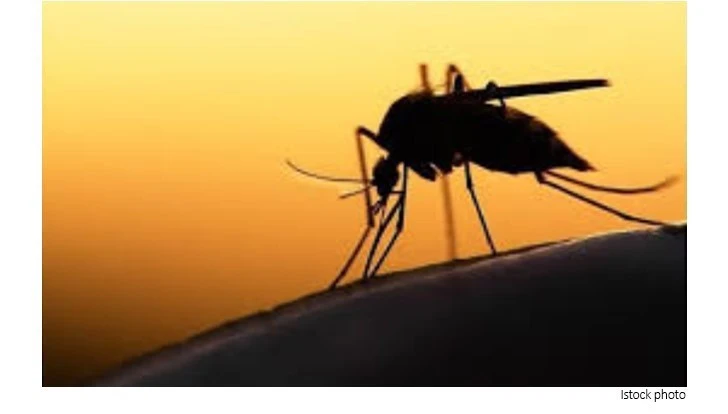
Climate change is projected to alter the geographic range and distribution of disease-carrying insects and pests, according to a new government report.
The federally mandated National Climate Assessment (NCA) was released on Friday, and the fourth annual report warned of the devastating impact of climate change, including projections that the U.S. economy could lose hundreds of billions of dollars by the end of the century.
The report also outlined the impact of climate change on public health, including pest-borne diseases, noting:
Climate change is also projected to alter the geographic range and distribution of disease-carrying insects and pests, exposing more people to ticks that carry Lyme disease and mosquitoes that transmit viruses such as Zika, West Nile, and dengue, with varying impacts across regions. Communities in the Southeast, for example, are particularly vulnerable to the combined health impacts from vector-borne disease, heat, and flooding. Extreme weather and climate-related events can have lasting mental health consequences in affected communities, particularly if they result in degradation of livelihoods or community relocation. Populations including older adults, children, low-income communities, and some communities of color are often disproportionately affected by, and less resilient to, the health impacts of climate change. Adaptation and mitigation policies and programs that help individuals, communities, and states prepare for the risks of a changing climate reduce the number of injuries, illnesses, and deaths from climate-related health outcomes.
Latest from Pest Control Technology
- PestInsight Empowering Youth in Africa and Beyond Through Education
- Guest Editorial: Making Safety the Standard on Every Service Call
- Truly Nolen Pest Control Promotes Tuck, Stewart
- Little to No Hesitance When Asking for Customer Reviews, PCOs report
- Arrow Termite & Pest Control (La.) Acquires Ark-La-Tex Exterminators
- Invicta Environmental Pest Defense Rebrands as Invicta Pest Control
- Target Specialty Products Announces Changes to Pest Organizational Structure
- UK Rodent Activity Up 10% Since 2024, Rentokil Reports