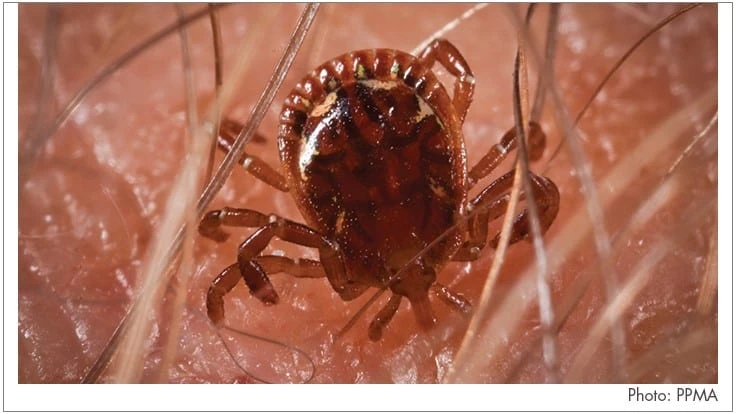
Lyme disease, which is carried by ticks, can lead to numerous debilitating health conditions and even death. In the latest research from the Lerner Center for Public Health Promotion at Syracuse University, Lerner Graduate Fellow Mary Helander describes the geographic distribution of Lyme disease in the U.S. and summarizes prevention strategies. Here are the key takeaways from the study:
• Over 30,000 Lyme disease cases are reported in the U.S. each year.
• Lyme disease incidence is highest in the Northeast and upper Midwest.
• While the 10-year trend for the national incidence rate overall is relatively flat, rates in 75 counties have been trending downward (primarily in Wisconsin), while rates in 285 counties (primarily in the Northeast) have continued to trend upward (chart below).
• Clear, concise, consistent and ongoing public health messaging, in addition to accurate county and state-level reporting and surveillance, are key to combatting Lyme disease.

Latest from Pest Control Technology
- GoPest Expands in Alabama with Proshield Acquisition
- Fred Strickland Explains How Best to Control Small Flies
- Nisus Pro-Shield Nsulation Becomes Available in California
- Truly Nolen Pest Control Promotes Parps, Small
- PCT Media Group Adds Patrick Rhonemus as Digital Editor
- Robbins Inducted into IPMA Hall of Fame
- PCT Mosquito Control Virtual Conference Set for March 18
- Debug Pest Control Promotes Imondi to Newly Created Position