Editor's note: This article originally appeared under the heading "Pest Control Through a Trauma-Informed Lens."
How many times have you walked into multi-unit housing only to be greeted by a scared, fearful or uncooperative customer? Have you considered they might view your pest control services as something that could make them feel shame or embarrassment about their living conditions? As owner of Valkyrie Pest Solutions (Manitoba, Canada), in my work — especially in multi-unit housing — I encounter these situations often. Over the years, I’ve become deeply passionate about teaching my technicians and other pest management professionals (PMPs) how to approach pest control through a trauma-informed lens. For me, this means understanding the root causes of human behavior and recognizing how past experiences can shape the way people respond to us and to the services we provide. When we take the time to see the whole person, not just the pest problem, we achieve far greater success in our treatments.

In this article, I share both my personal and professional experiences using a trauma-informed approach when working with customers in low-income housing, and why I believe this perspective is essential for meaningful, lasting results.
LET’S START FROM THE BEGINNING. Trauma and brain development go hand in hand. The brain stem, the area of your brain responsible for handling basic functions, develops in the womb. Then, over the next six years, the limbic part of your brain starts to develop. This is the area of your brain responsible for emotional regulation; it is what decides if something is a threat based on previous experiences. What this means is that things you experience in childhood may impact how your brain perceives threats into adulthood. Your brain continues developing until you’re about 25 years old — this is when your prefrontal cortex is fully developed. Your prefrontal cortex is the area of your brain that allows you to think about your actions and process risk.
If someone has experienced a lot of stress in their life, or if they have a post-traumatic stress disorder (PTSD), the prefrontal cortex might not always get a chance to process the information coming in. It’s very important to understand that your brain might bypass the prefrontal cortex and go straight to the limbic system. This can cause you to physically react to something before you fully comprehend what’s happening.
I often view people like children, not in a paternalistic way, more as a way to help me stay calm if I’m in a tough situation. By understanding that if someone is rude or unreasonable to me, there’s likely an underlying reason why. It helps me to continue to respond with compassion if I imagine those unreasonable reactions coming from a child and not an adult. I know most people don’t intend to be rude or mean; I don’t believe that is human nature. I choose to believe that something upsetting happened to them in the past and I’m inadvertently triggering it with my actions. I choose not to take it personally, but rather do my best to connect with them to show that I’m there to help.

THE PEST CONTROL CONNECTION. Interacting with those living in poverty is an unavoidable part of our job. The childhood poverty rate in the United States doubled from 5.2% in 2021 to 12.4% in 2022, according to the Center of Poverty and Social Poverty. Some view generational poverty as a form of generational trauma: It is very difficult to break the cycle of poverty.
Some segments of our industry have faced challenges building respectful engagement with residents in low-income communities. In some cases, PMPs have been advised not to speak directly with tenants because they aren’t the bill payer, and training has traditionally focused more on identifying concerns than on fostering collaboration. By helping your staff be mindful of their actions and words, you can create stronger relationships and see greater cooperation, as well as success, with your low-income customers.
Start by understanding that some people will have already had interactions with pest control technicians, and that you don’t know how those previous PMPs were treating them. Even though this might be your first interaction with this customer, it might not be their first interaction with a PMP. What happened in the past can’t be changed — all you can control is how you and your employees are treating people today.
SHIFT COMMUNICATION. When I am training people in the field, I remind them that when someone is a renter, more often than not, pest control is something that is done to them and not for them. They don’t have a choice of who is coming into their home. A notice is slid under their door, and it sometimes has scary language. People fear eviction when a contractor comes into their unit because they might be reported for sanitation or other violations. Without even knowing it, you could already be walking into a combative situation with your customers simply because they are afraid, so it’s important that you take steps to be as understanding and respectful as possible.
Instead of saying “tenant,” refer to them as a “resident.” I have found that referring to people as residents makes them feel more like it’s their home — because it is! I also keep in mind what is included in the landlord’s report. Oftentimes, what we say in our report is passed along word for word to the resident, so when writing your report, don’t be cold about it. Instead of saying there was poor sanitation, suggest that the sanitation could improve. Try to imagine you’re receiving this report and try to word it how you would best interpret this information. If you come across a resident who hasn’t been staying on top of cleaning, recommend to property management that helping this person organize and clean their home could be beneficial. In my own personal experience as a single mom, I know firsthand how easily laundry and dishes can just pile up; it’s important to teach staff to be mindful of situations like that.

BEST PRACTICES. When working in multi-unit, low-income environments, try incorporating these non-violent crisis intervention tips gathered from the Crisis Prevention Institute into your customer interactions:
- Be empathic and nonjudgmental. It’s important to remember that some residents will fear being evicted over pests, so keep your face neutral and don’t use wild gestures when speaking with them. Instead, use active listening; understand that their feelings about the situation are very real. You want to put them at ease and reassure them that you are not there to judge. One of the first things I say when I walk into a unit is that I’m not going to report them to the landlord for what I see. I just want to help solve the issue at hand.
- • Respect personal concerns and personal space. If residents are telling you about their concerns, even if an issue sounds unlikely, listen to them and make them feel like you care. Similarly, ask for their permission before entering different parts of the unit to show you respect their space. When I’m going through someone’s kitchen looking for cockroaches, I always make a point to ask if I can open cabinets and cupboards. These small acts of compassion and respect can go a long way.
- Setting limits. If you walk into someone’s apartment and they have a very messy living space, set reasonable limits on what you ask them to accomplish before the next visit. If someone’s unit is really bad, I will ask them to do just one thing at a time. For example, getting a garbage can that seals if they can’t take their trash out every day, or focusing on regularly washing the dishes to keep the sink clean. Overwhelming them with a long to-do list might result in nothing getting done.
- Allow time for decisions. If you give residents instructions on how to handle the initial treatment approach with cleanliness and organization, let some time pass before you add any extra tasks. When I am working with residents in affordable housing, I am especially glad when residents are home because I can speak with them directly and show them how we will work together. Speaking to someone face-to-face is always going to be more effective than a form letter from the landlord.
- Don’t take it personally. When someone questions your authority or doesn’t seem to want to listen to you, redirect them by explaining you want to work together. Bring the focus back to how you can solve these problems with their cooperation.
FINAL THOUGHTS. Effective service goes beyond technical expertise. By recognizing the physical stressors, mental pressures and emotional experiences that shape a customer’s behavior, PMPs can approach each interaction with greater compassion and clarity. This layered understanding not only diffuses tension and builds trust, but also elevates the industry as a whole, transforming routine service calls into meaningful opportunities to support, reassure and genuinely help the people behind the problem.
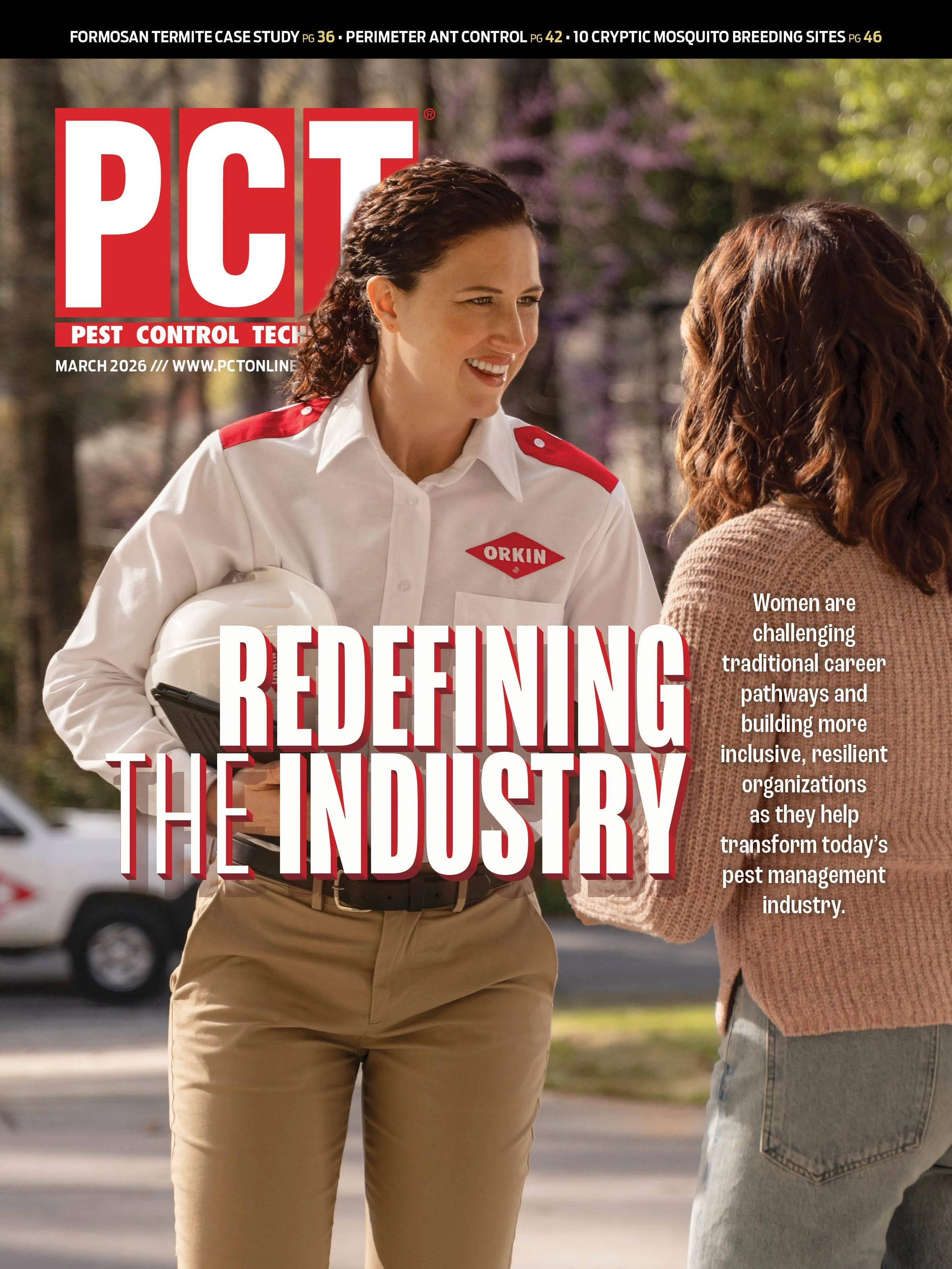
Explore the March 2026 Issue
Check out more from this issue and find your next story to read.
Latest from Pest Control Technology
- Certus Acquires Termio Pest Control in Arizona
- The Alliance Releases 2025 Annual Report, Showcasing Growth
- David Poplin Discusses Military Experience and How it Applies to Pest Control
- David Poplin Named PestVet of the Year
- Consulting Biologist Dan Collins Details Approaches to Effective Rodent Control
- Massey Announces the Promotions of Campbell, Graham
- BOM Hosts Dinner at NPMA Legislative Day
- Rear Admiral Scott Moore Shares Five Essential Leadership Principles