
PCT: Tell our readers about your company, Lead Every Day.
Randy Gravitt: We started in 2014. We’re passionate about leadership development and have been trying to encourage and equip leaders for well over a decade now. We connected with Arrow Exterminators in 2015, and it’s been great to get to know them. Their culture is pretty amazing.
PCT: How would you define company culture?
Gravitt: Company culture is the beliefs, behaviors and values of everything that makes up a company. You can either have a culture that’s built by design, or you can have one that happens by default. We say there are three culture rules: You have to “aspire to,” “amplify that” and then “adapt.”
PCT: What are concrete ways a company can build culture?
Gravitt: The most important thing a leader can do is model what they want others to follow. People always watch the leader.
The leader also must decide on the culture he or she is trying to build and the vision. Then it needs to cascade from the top all the way down to the newest team member. I don’t know of a better way to do that than through communication. That’s the oxygen of any organization. It’s not enough to have it hanging on the break room wall. You need to have conversations with people, and there have to be clear expectations. Then there needs to be accountability. If we’re not doing it, we need to be called out. We need to make heroes of the people who live out the culture the most. What gets rewarded gets repeated. If you have people who are not on board, they really stick out. At that point, we need to invite them to leave our team.
PCT: How can companies recruit employees that align with their culture?
Gravitt: So many organizations settle for acceptable talent when they should be pursuing exceptional talent. You can train for some of it, but you can identify exceptional talent in the selection process. If you’re in the pest control business and you’re just trying to find people who can pass a drug test, that’s not what you’re looking for. You want to find people who are going to be exceptional and live out the company’s values.
We did research and talent work with 7,000 participants and found that top-talented people are typically looking for three things. They’re looking for a good leader, somebody that sees them as a person as much as an employee. Second, they want a place where they can grow. They want a brighter future. A top-talent person is thinking about promotions and their future. Third, people are looking to be part of a bigger vision. Most of the time, high performers want to make a difference as much as they want to make a living. If people aren’t interested in those things in the interview, those are red flags.
PCT: Do you have advice for leadership to train B players up to an A level?
Gravitt: The expectation should be that everybody grows in an organization. There’s real power in having a development plan for every person. That also goes back to making sure you have clear written expectations. There’s role clarity and a clear path for them to get better. If they’re not improving, then we need to call that out. Life is too short to settle for mediocrity.
PCT: How can younger leaders get staff with more tenure to follow them?
Gravitt: Approach your work as a learner as much as a leader. Don’t just pretend you know everything. Humility goes a long way. Put yourself on the other side of the table and ask yourself what it’s like. It could be hard for them to be led by someone younger. What’s that other person thinking? What can we learn from each other? If there’s an issue, have conversations about it.
This generational divide sometimes is real, but it can be one of the best parts of the job if we lean into it. Rather than thinking how you can extract value from that 60-year-old, think about how you, as the 30-year-old leader, can add value to them. If they don’t respond to that, then you’ve probably got the wrong person following.
PCT: What’s your advice for a family business that wants to grow?
Gravitt: Start with what you’re trying to do and go back to the vision. I’ve watched Arrow go from 400-500 employees when we started working with them to now around 3,500. They created 3,000 great jobs and a culture of winning for all those people. If we can understand that we’re impacting more people, such as employees in our business and the people whose homes they go into every day, and make that part of our mission, every day that we show up, we’re making the world better.
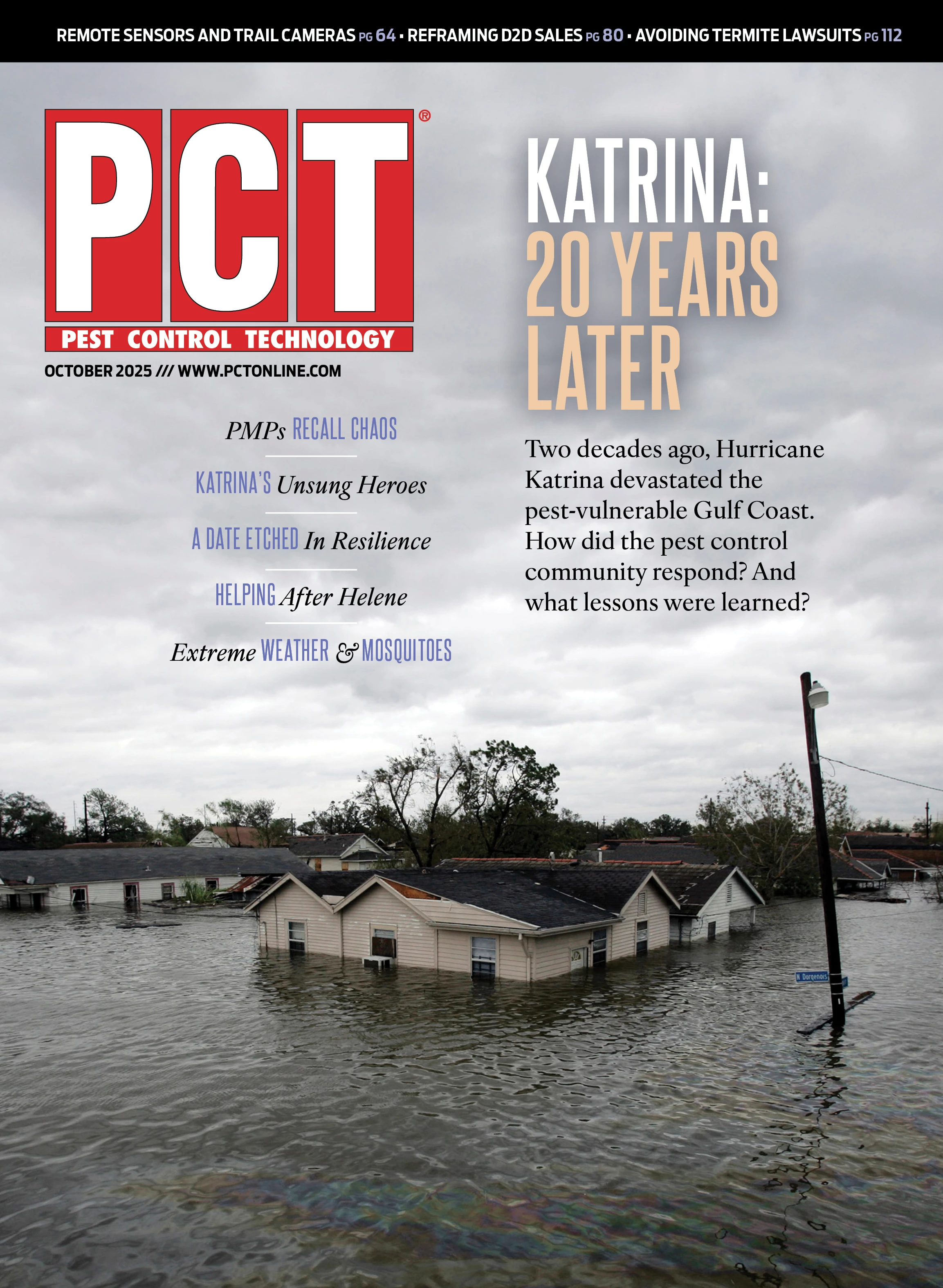
Explore the October 2025 Issue
Check out more from this issue and find your next story to read.