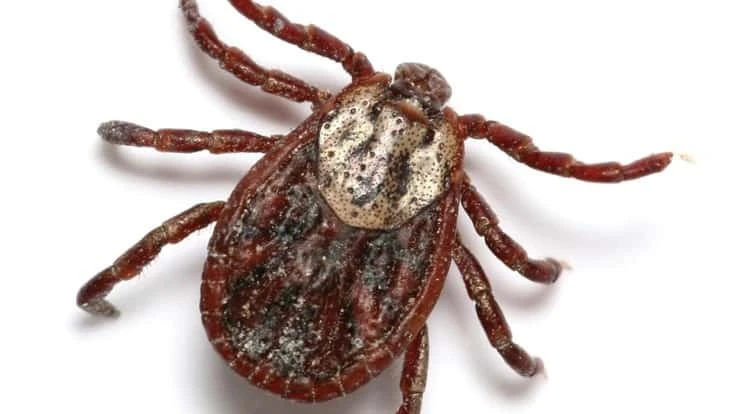
AUGUSTA, Maine — The Maine Center for Disease Control & Prevention (CDC) identified a human case of tick-borne Powassan encephalitis in a midcoastal Maine resident. The individual was symptomatic in late June and hospitalized.
CDC Fort Collins confirmed the Powassan result in the individual by neutralization testing. The infected individual likely acquired Powassan encephalitis in the state of Maine, the Maine CDC reported.
There are two types of Powassan virus in the United States. The first type, often called lineage 1 Powassan virus, is associated with Ixodes cookei, or the woodchuck tick. Lineage 2 Powassan virus, sometimes called deer tick virus, is associated with Ixodes scapularis, or the deer tick. Both can cause human disease.
Powassan encephalitis is a member of the flavivirus genus, which includes arboviruses like Dengue virus, West Nile virus (WNV), Yellow Fever virus and Zika virus.
Maine reported one human case of WNV and one human case of Powassan virus in residents in 2020. Although rare, these diseases have potentially severe and even fatal consequences for those who contract them, said the Maine CDC.
Latest from Pest Control Technology
- Earn CEUs from Your State at Next Week’s Mosquito Control Virtual Conference
- Preserving Culture, Providing Opportunities Key in Hoffman’s Decision
- Winter Weather Could Decide How Bad Mosquito Season Gets
- Trent Frazer Discusses How Mosquitoes Survive Winter
- Barnes Exterminating Acquires Tennessee Pest Solutions
- Pest Index Up 9% YOY in January
- Arrow Exterminators Acquires Hoffman's Exterminating
- PMPs Plan Mera Peak Summit for Parkinson's





