Termite treatment is an individual thing.
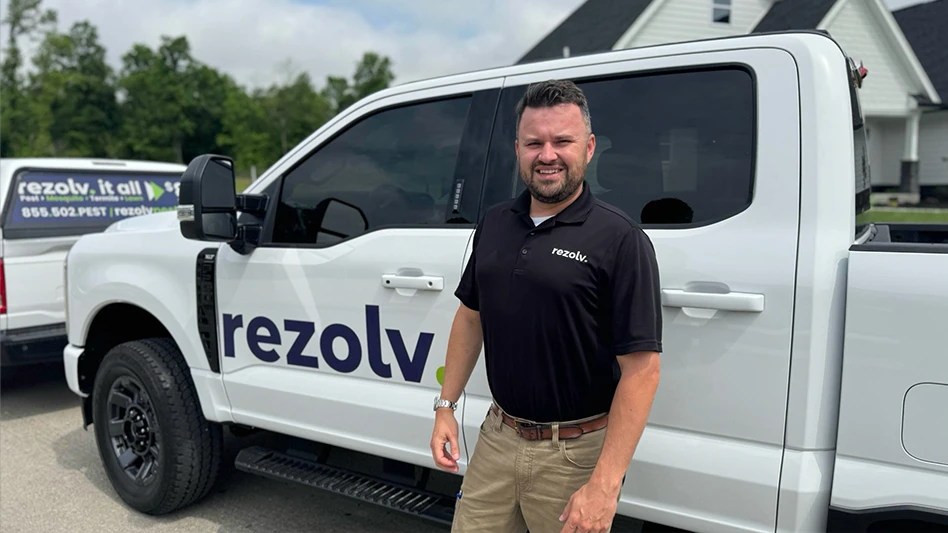
“We really don’t believe in one size fits all. We evaluate every structure like it’s our own home and see what the property needs,” said Ace Aceves, owner of Shield Pest Appalachia, Johnson City, Tenn.


According to the 2026 State of the Termite Control Market survey, 68% of service locations offer both baits and liquids for termite control. The primary service approach for an equal number of PMPs was liquids only (38%) or a liquids-bait combination (38%).
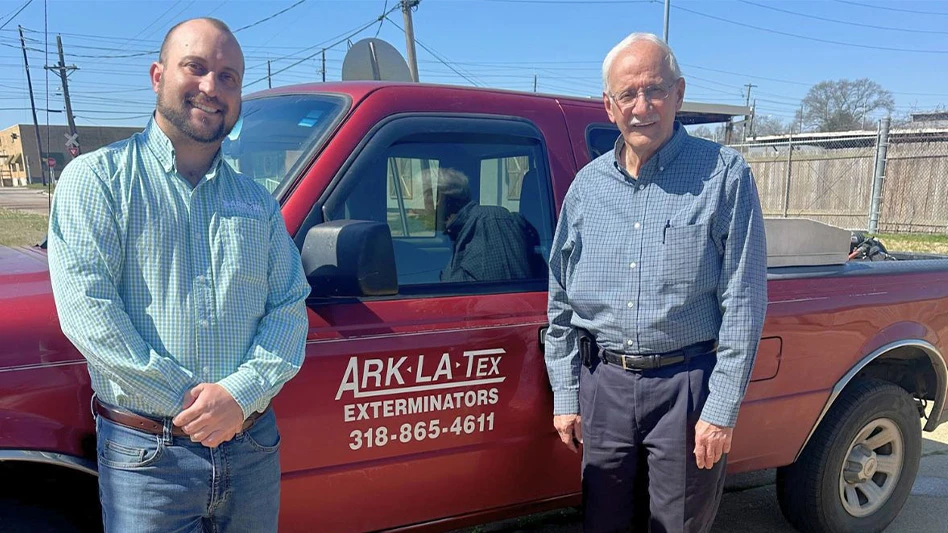
About 85% of termite treatments done by Burt’s Termite & Pest Control use liquid termiticide and 15% use baiting systems. Doug Foster feels more comfortable using liquid because that’s how he learned to perform termite treatments.
But customers have their preferences, too. “They may be concerned about chemicals, or sometimes we’re treating a house that’s close to a body of water or has drain tile around the house that leads directly into a body of water. So, in those cases, it’s always a bait system,” said Foster.
“Every situation is different,” agreed John Burgess, Pied Piper Pest Control. From wonky construction to high water tables, understanding that situation requires asking the right questions and listening to the customer.
Burgess usually performs a soil-based treatment with liquid termiticide, but while surveying a recent property he learned important information. “I was looking things over, and then the customer starts talking about how they have natural springs all around their house, and that their water well is only like 25 feet deep, and they had a whole bunch of problems with contamination of their well a year or two ago.” He installed a baiting system instead.

Fumigation, offered by 16% of service locations, is used to control drywood termites.
At Seashore Pest Control, about 40% of drywood termite treatments use fumigation and 60% utilize spot treatments, said John Etheridge. To treat subterranean termites, he uses liquid and foam termiticide.
Using quality products makes all the difference, said Etheridge. “It’s cheaper in the long run because there’s no callbacks. I think most of us tend to be customer centric. You have to figure out a way to make your customer happy and not killing their bugs tends to not make them happy.”
The average callback rate for termite control services was 1.9%
New technologies in development, like remote termite monitoring, had PMPs excited for ways to differentiate their services.
Explore the February 2026 Issue
Check out more from this issue and find your next story to read.
Latest from Pest Control Technology
- Arrow Exterminators Acquires Hoffman's Exterminating
- Earn CEUs at Next Week's Mosquito Control Virtual Conference
- NCPMA Graduates New Premier Technicians
- Pest Management Foundation Announces New Scholarships
- Coast Releases Report on Fuel Spend
- WPCA Hosts Midwest Pest Con
- Google Ads Mistakes That Cost PCOs Thousands
- Zach DeVries Details his Cockroach Research, Importance of UK Short Course