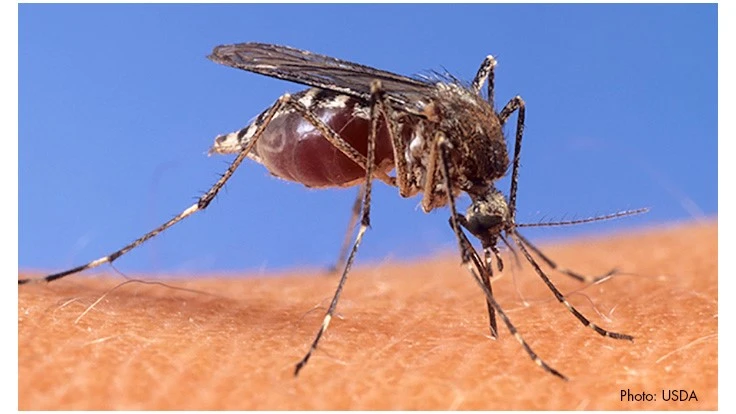
Researchers at the University of Arizona have discovered a protein that prevents mosquitoes from hatching, opening the possibility of developing new drugs that could act as birth control for mosquito populations.
Researchers at the University of Arizona have discovered a protein in mosquitos that is critical to the process of producing viable eggs and could pave the way for "mosquito birth control." When researchers selectively blocked the activity of the protein – which they named Eggshell Organizing Factor 1, or EOF-1 – in female mosquitoes, the mosquitos laid eggs with defective egg shells, leading to the death of the embryos inside.
In the report, published in the open access journal PLoS Biology on Jan. 8, the team showed that EOF-1 exists only in mosquitoes. Therefore, any drug developed to render the protein dysfunctional would only affect mosquitoes and no other organisms.
The team, led by Jun Isoe, a research scientist in the lab of Roger Miesfeld, a UA Distinguished Professor and head of the Department of Chemistry and Biochemistry, is hopeful the approach might offer a way to interrupt mosquito egg formation and reduce mosquito populations in areas of human disease transmission without harming beneficial insects such as honey bees.
Source: University of Arizona
Latest from Pest Control Technology
- PestInsight Empowering Youth in Africa and Beyond Through Education
- Guest Editorial: Making Safety the Standard on Every Service Call
- Truly Nolen Pest Control Promotes Tuck, Stewart
- Little to No Hesitance When Asking for Customer Reviews, PCOs report
- Arrow Termite & Pest Control (La.) Acquires Ark-La-Tex Exterminators
- Invicta Environmental Pest Defense Rebrands as Invicta Pest Control
- Target Specialty Products Announces Changes to Pest Organizational Structure
- UK Rodent Activity Up 10% Since 2024, Rentokil Reports