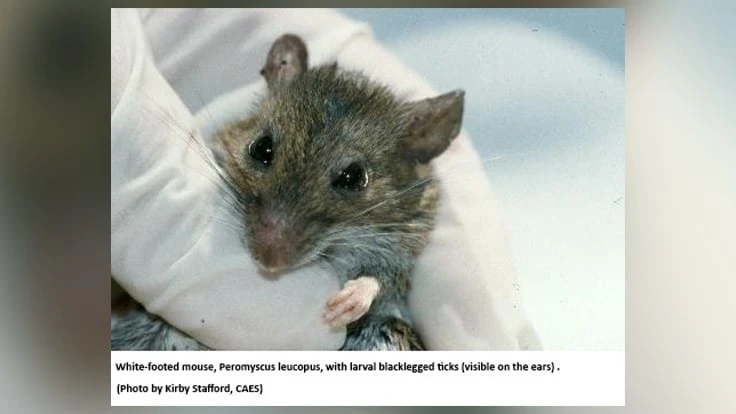
“Along with fewer infected mice, we observed a second effect also seen in previous laboratory-based studies,” notes Scott Williams, PhD, Agricultural Scientist at the CAES and a co-author of the study. “The vaccine causes the generation of antibodies in the mice. Previously infected ticks will ingest those antibodies when feeding on mice and be ‘cleared’ of infection. So, feeding ticks are a ‘xenodiagnostic marker’ of vaccine impact.” According to Williams, when non-infected mice consume vaccine-coated pellets, they are protected from infection with Borrelia burgdorferi. “Non-infected ticks, therefore, cannot pass the disease to other animals, including humans” he says.
The vaccine is currently undergoing the USDA regulatory process for commercial licensure. The research program was supported, in part, by U.S. Hatch Act funds, the Centers for Disease Control and Prevention (CK000182-03), and US Biologic.
Latest from Pest Control Technology
- NPMA Legislative Day Highlights Farm Bill Momentum and Push for Pesticide Preemption
- John Skinner Discusses Terminix's New Ad Campaign
- Franklin Pest Solutions Announces 2026 Bug Bowl Interns
- Terminix Strikes a Chord With Preventative Push in New ‘Ahhh’ Campaign
- Company Compassionately Solves a Severe Rodent Infestation
- Jody Green Talks Ticks at Purdue Conference
- Truly Nolen Pest Control Promotes Freize, Hackett
- Preserving Culture, Providing Opportunities Key in Hoffman’s Decision