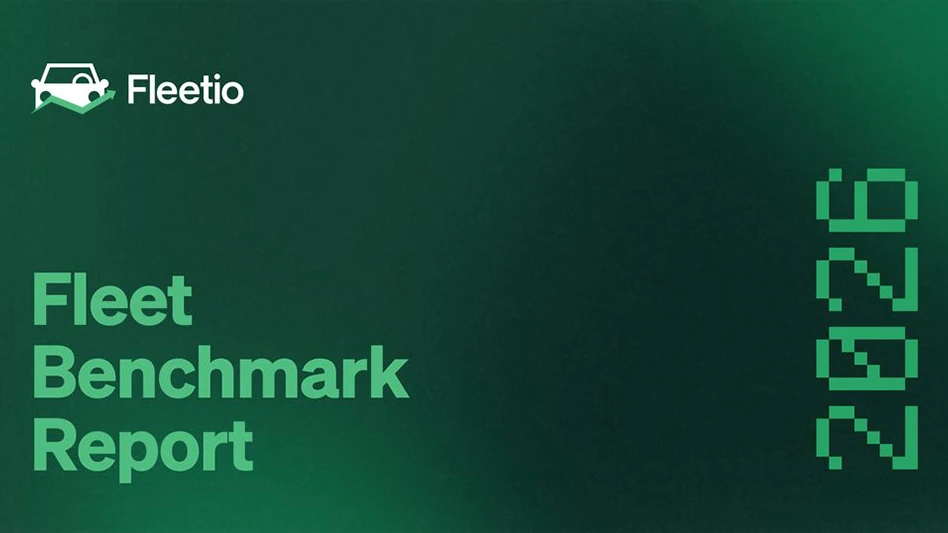
BIRMINGHAM, AL – Fleetio reported that 53.3% of fleets are researching or piloting artificial intelligence capabilities, according to its 2026 Fleet Benchmark Report & State of Fleet Management.
Fleetio analyzed aggregated, anonymized data from 1.2 million vehicles representing 17.5 billion miles traveled, $7 billion in service spending and 9 million work orders. The report also incorporates survey responses from more than 600 fleet professionals across industries.
More than half of respondents, 54.4%, cited rising costs as their top concern. Regulations and emissions mandates followed at 46.1%, while 35.1% pointed to electric vehicle transition and infrastructure. Technician shortages were cited by 32.5%, and 28.9% identified parts and vehicle availability as key challenges.
AI adoption remains limited. While 53.3% of respondents said they are researching or piloting AI tools, 5.6% reported broad use. About half of respondents said concerns about accuracy and reliability are the primary barrier to adoption.
The report found that older vehicles account for a disproportionate share of maintenance spending. Vehicles more than 10 years old represent about 12.1% of miles driven but 33.5% of total service spend. Estimated service costs rise with age, from 20 cents per mile for vehicles 5 years old or newer to $1.10 per mile for vehicles more than 10 years old.
Respondents said maintenance delays are most often tied to coordination and capacity constraints. Communication gaps were cited by 31.5%, technician availability by 27.4% and unscheduled service volume by 25.2%.
Fleetio data showed a median time of 31 minutes to begin work on a work order, with an average of 6.7 days, indicating variation in how quickly maintenance begins. While 44.3% of fleets said they perform maintenance on time reasonably well, 9.7% reported consistent on-time performance.
Fleetio analyzed aggregated, anonymized data from 1.2 million vehicles representing 17.5 billion miles traveled, $7 billion in service spending and 9 million work orders. The report also incorporates survey responses from more than 600 fleet professionals across industries.
More than half of respondents, 54.4%, cited rising costs as their top concern. Regulations and emissions mandates followed at 46.1%, while 35.1% pointed to electric vehicle transition and infrastructure. Technician shortages were cited by 32.5%, and 28.9% identified parts and vehicle availability as key challenges.
AI adoption remains limited. While 53.3% of respondents said they are researching or piloting AI tools, 5.6% reported broad use. About half of respondents said concerns about accuracy and reliability are the primary barrier to adoption.
The report found that older vehicles account for a disproportionate share of maintenance spending. Vehicles more than 10 years old represent about 12.1% of miles driven but 33.5% of total service spend. Estimated service costs rise with age, from 20 cents per mile for vehicles 5 years old or newer to $1.10 per mile for vehicles more than 10 years old.
Respondents said maintenance delays are most often tied to coordination and capacity constraints. Communication gaps were cited by 31.5%, technician availability by 27.4% and unscheduled service volume by 25.2%.
Fleetio data showed a median time of 31 minutes to begin work on a work order, with an average of 6.7 days, indicating variation in how quickly maintenance begins. While 44.3% of fleets said they perform maintenance on time reasonably well, 9.7% reported consistent on-time performance.
Latest from Pest Control Technology
- Little to No Hesitance When Asking for Customer Reviews, PCOs report
- Arrow Termite & Pest Control (La.) Acquires Ark-La-Tex Exterminators
- Invicta Environmental Pest Defense Rebrands as Invicta Pest Control
- Target Specialty Products Announces Changes to Pest Organizational Structure
- UK Rodent Activity Up 10% Since 2024, Rentokil Reports
- AXN Promotes Simington at Action
- Massey Acquires Nashville-Based PureGuard Pest Solutions
- Suburban Pest Delivers 117 Books Through Its Book Drive