LOS ANGELES — Pest management professional (PMP) Archibald Havasi has launched ipmflow.com, an AI-powered reporting platform designed to help PMPs achieve audit readiness and turn disconnected field data into actionable insights.
The platform addresses what Havasi calls the industry’s growing “data debt,” the widening gap between data collected in the field and the sophisticated analysis required by auditors in food, pharmaceutical and logistics sectors.
“For years, reporting has meant checking boxes, first on paper, then in spreadsheets, but the expectations have changed,” said Havasi, a certified PMP with more than a decade of audit experience. “Auditors now demand data-backed decisions and root cause analysis, not just proof of activity.”
The shift has created an administrative burden, with technicians spending more time sorting data than managing pests. Critical observations, such as seasonal trends, sanitation lapses and minor structural issues, often remain buried in PDFs or isolated systems, leaving operators scrambling during audits.
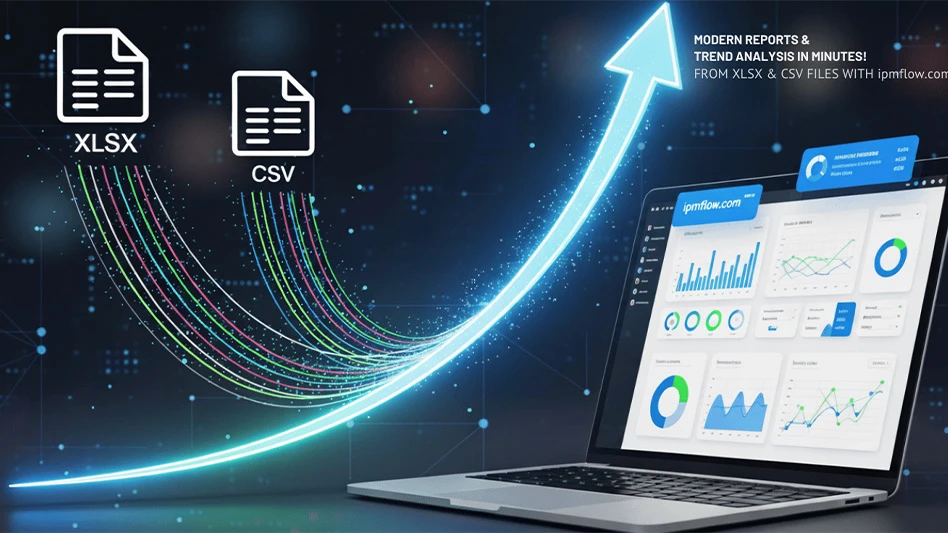
ipmflow.com aims to eliminate that burden by using AI to analyze technician notes, activity logs and site conditions. The platform automatically identifies trends, correlates pest activity with environmental factors, and generates predictive reports tailored to global compliance frameworks such as BRCGS, IFS and AIB.
“The goal isn’t just faster reports; it’s smarter ones,” said Havasi. “With ipmflow, operators can shift from reactive data entry to proactive risk management.”
By automating documentation and analysis, the tool frees up technicians for higher-value work while helping companies meet increasingly stringent audit standards.
“AI gives every PMP the tools once only available to multinational firms,” Havasi said. “We’re not just solving for compliance, we’re redefining what proactive pest management can look like.”
Learn more at www.ipmflow.com.
The platform addresses what Havasi calls the industry’s growing “data debt,” the widening gap between data collected in the field and the sophisticated analysis required by auditors in food, pharmaceutical and logistics sectors.
“For years, reporting has meant checking boxes, first on paper, then in spreadsheets, but the expectations have changed,” said Havasi, a certified PMP with more than a decade of audit experience. “Auditors now demand data-backed decisions and root cause analysis, not just proof of activity.”
The shift has created an administrative burden, with technicians spending more time sorting data than managing pests. Critical observations, such as seasonal trends, sanitation lapses and minor structural issues, often remain buried in PDFs or isolated systems, leaving operators scrambling during audits.
ipmflow.com aims to eliminate that burden by using AI to analyze technician notes, activity logs and site conditions. The platform automatically identifies trends, correlates pest activity with environmental factors, and generates predictive reports tailored to global compliance frameworks such as BRCGS, IFS and AIB.
“The goal isn’t just faster reports; it’s smarter ones,” said Havasi. “With ipmflow, operators can shift from reactive data entry to proactive risk management.”
By automating documentation and analysis, the tool frees up technicians for higher-value work while helping companies meet increasingly stringent audit standards.
“AI gives every PMP the tools once only available to multinational firms,” Havasi said. “We’re not just solving for compliance, we’re redefining what proactive pest management can look like.”
Learn more at www.ipmflow.com.
Latest from Pest Control Technology
- Target Specialty Products Announces Changes to Pest Organizational Structure
- UK Rodent Activity Up 10% Since 2024, Rentokil Reports
- AXN Promotes Simington at Action
- Massey Acquires Nashville-Based PureGuard Pest Solutions
- Suburban Pest Delivers 117 Books Through Its Book Drive
- Anchor Pest Discusses Billboard Marketing
- Pat Hottel Reflects on 90th Purdue Pest Management Conference Theme and History
- MGK Expands Coverage Through New Appointments