On an African plateau surrounded by flat-topped trees as far as the eye could see, wind whistled through the acacia thorns like someone blowing across a bottle. Kathleen Rudolph was more concerned with the ants raining down on her from the trees. The hat, long sleeves and garden gloves the University of Florida researcher wore for protection didn’t help.
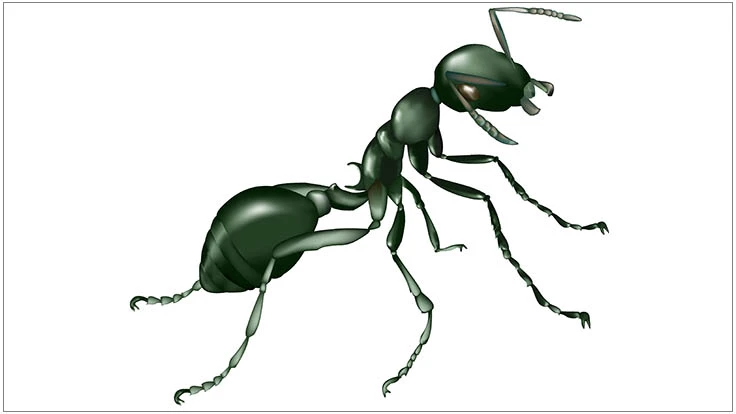
The acacia ants she studies, Crematogaster mimosae, use their fearsome bite to defend their host trees against large animals such as elephants and giraffes that eat the trees’ leaves. Even elephants’ thick skin can’t protect them from the ants, which bite them inside their trunks.
“They really seem to have a knack for finding your soft tissue,” Rudolph said. “It’s a nasty business.”
Ants are also aggressive toward each other, fighting to the death over their tree territories. While the consequences for losing colonies are stark — loss of territory or colony death — Rudolph and UF postdoctoral research associate Jay McEntee wanted to understand the costs to the winners.
After a fight, victorious colonies have to defend their newly gained territory with a workforce heavily depleted by fighting. In a new study funded in part by a National Geographic Society/Waitt Fund Grant and published in Behavioral Ecology, Rudolph and McEntee found that victorious colonies might offset this challenge by recruiting members of the losing colonies to help.
Click here to learn more.
Source: UF News
Latest from Pest Control Technology
- Earn CEUs from Your State at Next Week’s Mosquito Control Virtual Conference
- Preserving Culture, Providing Opportunities Key in Hoffman’s Decision
- Winter Weather Could Decide How Bad Mosquito Season Gets
- Trent Frazer Discusses How Mosquitoes Survive Winter
- Barnes Exterminating Acquires Tennessee Pest Solutions
- Pest Index Up 9% YOY in January
- Arrow Exterminators Acquires Hoffman's Exterminating
- PMPs Plan Mera Peak Summit for Parkinson's





