1. Atlanta | 26. Tulsa, Okla. (+9) |
2. New York (+1) | 27. Minneapolis (+5) |
3. Washington, D.C. (+1) | 28. Albany, New York (-2) |
4. Chicago (+1) | 29. Grand Rapids, Mich. (-7) |
5. Houston (+2) | 30. Memphis (-18) |
6. Dallas-Ft. Worth, Texas (-4) | 31. Oklahoma City (+9) |
7. Detroit (+4) | 32. New Orleans (-3) |
8. Philadelphia (+9) | 33. Cleveland, Ohio (+14) |
9. Charlotte, N.C. (+1) | 34. Lafayette, La. (-7) |
10. Raleigh-Durham, N.C. (+5) | 35. Burlington, New York (new to list) |
11. Phoenix (+14) | 36. Mobile, Ala. (-15) |
12. Los Angeles (+4) | 37. Milwaukee (new to list) |
13. Boston (+20) | 38. Austin (-18) |
14. Miami (-6) | 39. Knoxville, Tenn. (+7) |
15. Baltimore (+27) | 40. Cincinnati (new to list) |
16. Richmond, Va. (+14) | 41. San Antonio (-5) |
17. Nashville (-4) | 42. West Palm Beach, Fla. (+6) |
18. Tampa (-4) | 43. Greensboro, N.C. (new to list) |
19. Indianapolis (+5) | 44. Hartford, Conn. (-8) |
20. St. Louis (-14) | 45. Savannah, Ga. (new to list) |
21. Norfolk, Va. (+2) | 46. Jacksonville, Fla. (new to list) |
22. Orlando (-3) | 47. Baton Rouge (new to list) |
23. Greenville, S.C. (+8) | 48. Amarillo, Texas (new to list) |
24. Denver (new to list) | 49. Madison, Wisc. (new to list) |
25. Kansas City (-16) | 50. Charleston, S.C. (new to list) |
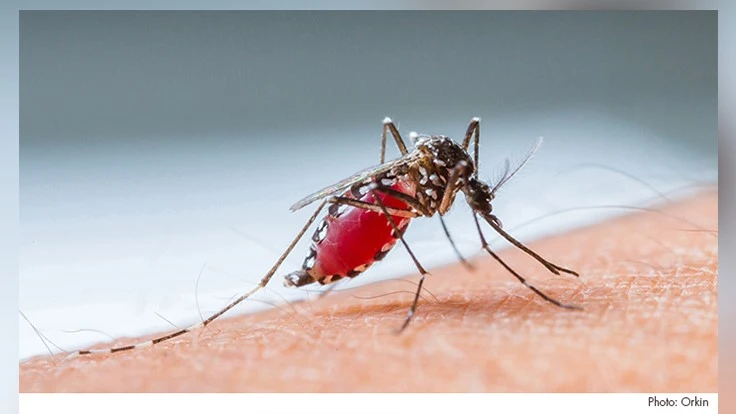
Culex Mosquitoes: These mosquitoes are seen throughout the United States and can transmit West Nile virus, St. Louis encephalitis and even bird malaria. They are mostly night biters but can also bite at dusk and dawn.
Aedes Mosquitoes: These are commonly known as floodwater mosquitoes, and they may live in a variety of habitats ranging from swamps to natural containers such as soda cans and pet water bowls. They can transmit several diseases including dengue, chikungunya, Zika and dog heartworm. Many of these are day-biters with the peak periods in the morning and afternoon.
Anopheles Mosquitoes: In addition to spreading malaria, which has been eradicated from the United States but is constantly reintroduced due to infected travelers from foreign countries, Anopheles mosquitoes can transmit dog heartworm as well as a few viruses. They have been found in most states and are most active at night.
"Male adult mosquitoes feed on plant nectar, while females need a blood meal to support reproduction," said Beavers. "Reducing items that attract mosquitoes, actively working to prevent them from breeding in their required water habitats, wearing insect repellent or moving inside the home during peak biting times are ways to protect one's self from mosquito bites."
Latest from Pest Control Technology
- Little to No Hesitance When Asking for Customer Reviews, PCOs report
- Arrow Termite & Pest Control (La.) Acquires Ark-La-Tex Exterminators
- Invicta Environmental Pest Defense Rebrands as Invicta Pest Control
- Target Specialty Products Announces Changes to Pest Organizational Structure
- UK Rodent Activity Up 10% Since 2024, Rentokil Reports
- AXN Promotes Simington at Action
- Massey Acquires Nashville-Based PureGuard Pest Solutions
- Suburban Pest Delivers 117 Books Through Its Book Drive