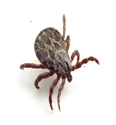
WOBURN, Mass. — A short winter and an early spring with warm temperatures could lead to a high population of many pests including carpenter ants, termites, ticks, mice and more, according to lead Entomologist Richard Stevenson Jr., co-president and chief technical officer of Modern Pest Services.
"Most insects and pests are inactive during the winter and burn reserves if the cold temperatures last long,” said Stevenson, “but since it appears we are going to have an early spring with warmer temperatures, the pests will thrive. One pest in particular that people may see more of is termites because they live in the soil and warm temperatures drive them to the surface; with an early spring they will stay at the top of the soil longer than usual."
Stevenson says there are things people can do to prevent pests from invading their homes such as sealing cracks and crevices in the home, eliminating structural deficiencies and avoiding storing anything next to the building’s foundation where pests could survive.
Modern offers a HomeCare Green Program which combines carefully targeted seasonal treatments, non-chemical monitoring and exclusion techniques designed to rid homes of 60 unwanted pests, including carpenter ants, rodents, flies, stinging insects, cockroaches, pantry pests, fleas and spiders. At the same time, it limits exposure to pesticides in a person's home and our the environment.
Modern’s HomeCare Green Program starts with a phone evaluation to determine the type of pests present and the extent of the current infestation. Through the evaluation, Modern designs a custom treatment approach for a client’s particular pest problem, avoiding random applications of pesticides. Modern initially works to create an exterior barrier around the home to prevent pests from entering in the first place. Then, utilizing non-chemical monitors, Modern identifies pest “hot spots” and treats pest activity accordingly. The company also focuses on client education and preventative techniques. This program includes scheduled seasonal visits designed to address the changing pest populations in New England for year round pest protection.