iStock | korawat thatinchan
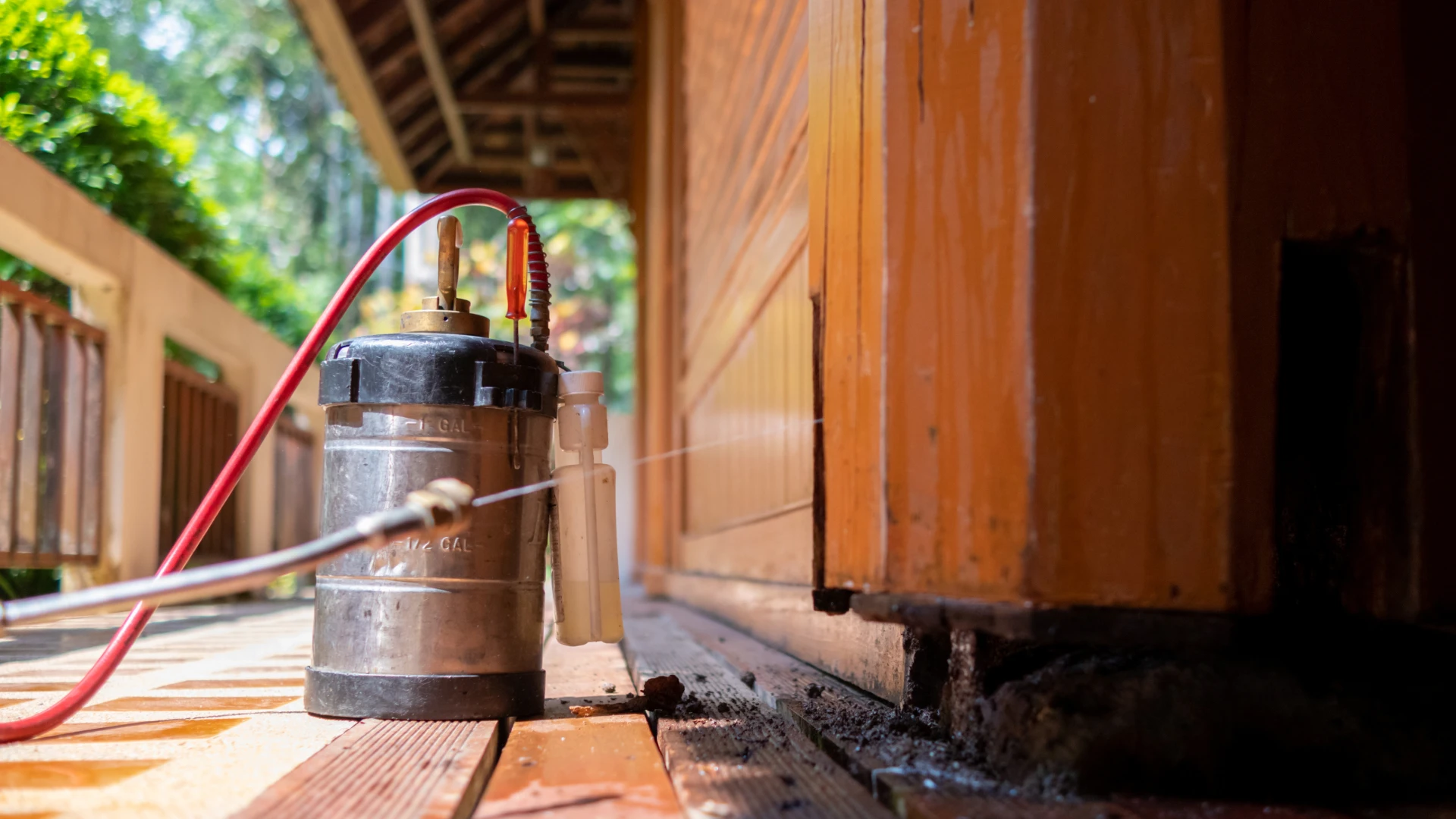
Editor’s note: Andrew Greess, a pest control equipment expert and president of equipment website Qspray.com, shared ways pest control company owners and managers can use this slower time at the end of the year to ensure their pest control equipment is in good shape for the coming year.
These tasks are all things that need to be done anyway. You might as well do them when you are slow and when they will not negatively impact your customers and your schedule.
Inspections.
Use slow periods to perform thorough inspections of vehicle, power sprayers, hand sprayers and backpacks, etc. Is everything clean, in the proper place and in good working order?
Clean it out.
Run clean water through power sprayers, hand sprayers and backpack sprayers to prevent chemical buildup. Inspect and clean out spray tanks. Thoroughly clean filters and replace bad filter screens if necessary.
Winterize it.
The best way to prevent freeze damage is to ensure your sprayer equipment is not exposed to freezing temperatures. If you can’t do that, do the next best thing. Get as much water as possible out of sprayers. Use a compressor to blow the air out of the hoses. Open all valves. Remove filters, spray guns and anything else you can to prevent freeze damage. Run a little anti-freeze through the system. The pump on a power sprayer is the greatest risk; remove it and store indoors if possible. If not, hang a utility light over the spray pump or wrap it with an electric battery warmer to prevent freezing. Never put anything hot on a frozen pump in an attempt to defrost it. It won’t work and you may destroy the pump. Starting or using frozen equipment will result in expensive damage.
Preventative Maintenance.
Slow periods are a great time for preventative maintenance. Because of hard use and harsh chemicals, all pest control equipment needs maintenance. Don’t wait for equipment to break or wear out. Service it now so you don’t have downtime and missed appointments during your busy season.
Training.
Use slow periods for training. Truck and equipment inspections will identify training opportunities. It is important to remember that just because you trained “Technician Joe” on day one, it doesn’t mean “Joe” is still doing it the way you want him to do it. Also, you can never do too much safety training. Preventing injuries is money in the bank.
Taking care of these items now, will leave you more time for servicing customers and making money in 2026.
Andrew Greess is a pest control equipment expert and author, and President of Qspray.com, the pest control equipment website.
Latest from Pest Control Technology
- Earn CEUs from Your State at This Week’s Mosquito Control Virtual Conference
- Jody Green Talks Ticks at Purdue Conference
- Truly Nolen Pest Control Promotes Freize, Hackett
- Preserving Culture, Providing Opportunities Key in Hoffman’s Decision
- Winter Weather Could Decide How Bad Mosquito Season Gets
- Trent Frazer Discusses How Mosquitoes Survive Winter
- Barnes Exterminating Acquires Tennessee Pest Solutions
- Pest Index Up 9% YOY in January