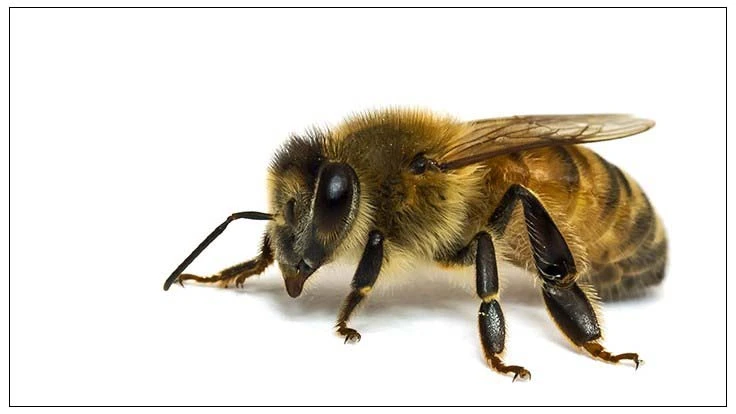
Researchers from the U.S. Department of Agriculture's Agricultural Research Service (USDA-ARS) and Mississippi State University tested 42 commonly used pesticides in a realistic field setting in order to determine their toxicity levels. The results were published in the Journal of Economic Entomology.
According to Entomology Today, the researchers essentially mimicked a situation where an adult bee in a cotton field accidentally gets sprayed. Furthermore, the researchers used pesticides that were in the actual commercial formulations that would be used by farmers in their fields. This is an important distinction because most previous research tested the active ingredients only, which did not include other chemicals that influence the distribution, absorption, and overall exposure of the pesticides to plants and bees. The results were published in the Journal of Economic Entomology.
Using a modified spray tower to simulate field spray conditions, the researchers found that 26 pesticides, including many (but not all) neonicotinoids, organophosphates, and pyrethroids killed nearly all of the bees that came into contact with the test pesticide sprays. However, seven pesticides, including glyphosate and one neonicotinoid (acetamiprid), killed practically no bees in the tests.
Click here to read more.
Source: Entomology Today
Latest from Pest Control Technology
- Earn CEUs from Your State at Next Week’s Mosquito Control Virtual Conference
- Preserving Culture, Providing Opportunities Key in Hoffman’s Decision
- Winter Weather Could Decide How Bad Mosquito Season Gets
- Trent Frazer Discusses How Mosquitoes Survive Winter
- Barnes Exterminating Acquires Tennessee Pest Solutions
- Pest Index Up 9% YOY in January
- Arrow Exterminators Acquires Hoffman's Exterminating
- PMPs Plan Mera Peak Summit for Parkinson's