iStock | Olga Kaya
Editor's note: The following article was adapted with permission from Pinto & Associates.
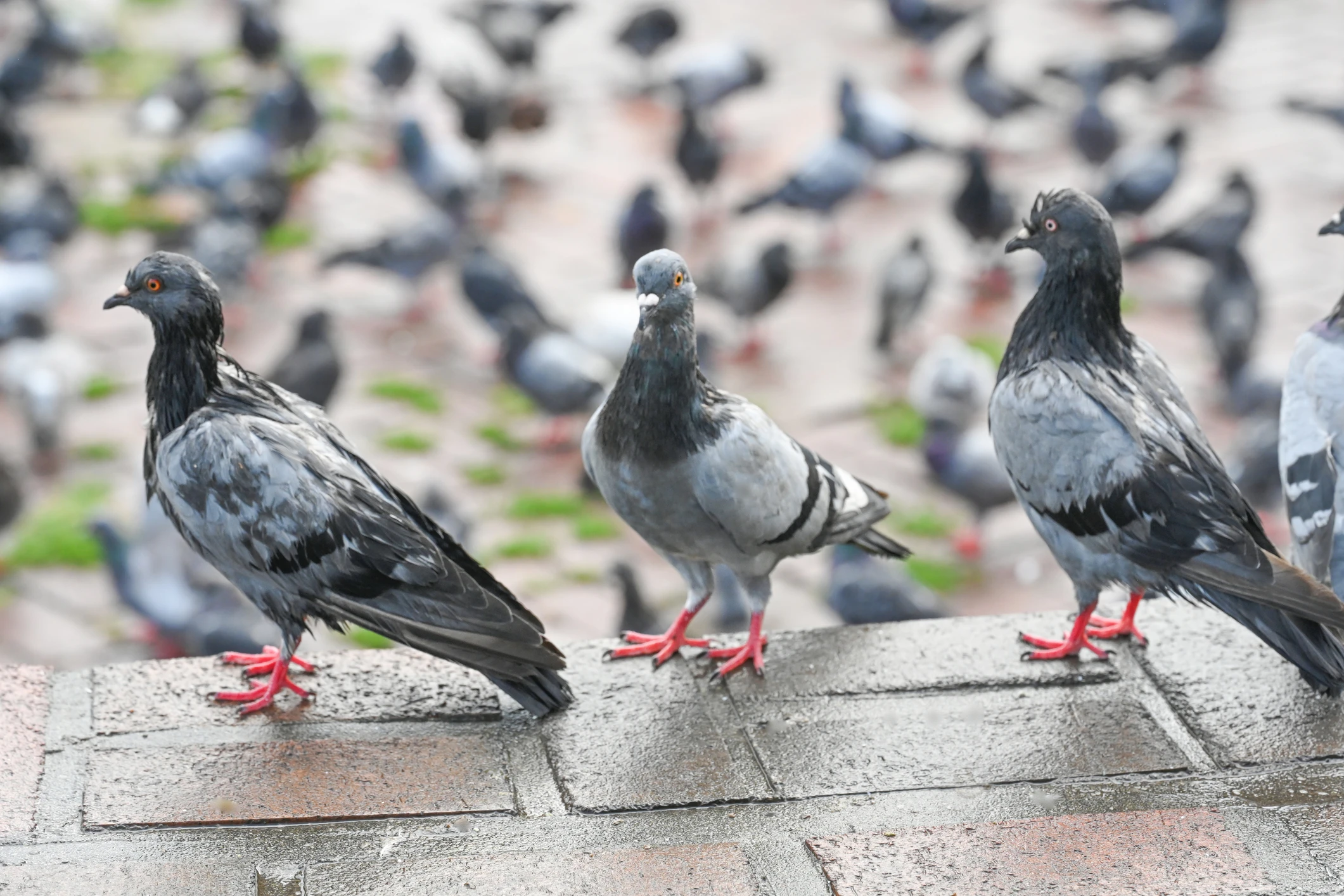
Pest control experts and public health specialists warn that there are dozens of different human pathogens associated with pigeons, including some that can be dangerous or even deadly. Many experts feel that pigeons are a significant health risk to people.
However, pigeon fanciers, wildlife groups and other public health experts scoff at this claim, insisting that the human health risks from pigeons are exaggerated and that pigeons do not pose a significant disease risk to people.
Well, who’s right?
What Science Tells Us.
Without a doubt, pigeons carry human pathogens. A study from the University of Basel in Switzerland identified 60 different microorganisms associated with feral pigeons that were capable of causing human disease. Fungi accounted for the majority of microorganisms with 45 represented. Meanwhile, nine of the microorganisms were bacteria, five were viruses and one was a protozoan.
But it’s one thing to carry human pathogens and another to actually transmit them to humans. Clinical case reports and epidemiological studies have been able to demonstrate that pigeons transmit less than 10 of these infectious agents to humans.
For some infectious agents, transmission of disease is mostly restricted to people whose immune systems have been suppressed by drugs or disease. Examples include AIDS patients and those getting cancer chemotherapy, making them more vunerable.
For others, human disease has been primarily limited to pigeon fanciers and pigeon racers who spend a lot of time working in pigeon lofts. Ornithosis or psittacosis, caused by the infectious agent Chlamydophila psittaci, is a disease commonly associated with pigeons, yet most cases identified have been restricted to bird fanciers, and more often they have been associated with parrots and budgerigars than with pigeons.
Risk Factors.
To put the overall disease risk in context, pigeons occur by the millions in cities throughout the world, they live in very close association with people, and they carry a long list of human pathogens, yet disease transmission is infrequent. It appears that pigeons pose a much lower risk of disease transmission than, say, rodents or flies.
Yet there are certain situations where studies have shown that feral pigeons do pose significant health risks. Large and long-standing pigeon roosts can present significant health risks to people in the area and to bird control workers and roost cleanup crews. The most significant risks come from the disease organisms causing histoplasmosis and cryptococcosis, which may grow in and under bird droppings. Both are respiratory diseases, usually with no symptoms or mild, flu-like symptoms, but occasionally resulting in serious and even deadly infections.
Histoplasmosis is usually associated with bird (including pigeon) and bat droppings on soil; cryptococcosis with old pigeon roosts in attics, water towers, steeples, cupolas and similar sites on structures. Both diseases are spread when droppings are disturbed and fungal spores (for histoplasmosis) or yeast-like vegetative cells (for cryptococcosis) swirl into the air and are inhaled, either by workers in the area or by people downwind.
There is a lesser-known but also dangerous health threat associated with bird roosts. Allergenic hypersensitivity pneumonitis is a potentially disabling lung disease, not caused by an infectious agent, but by an allergic reaction to airborne debris from bird feathers, droppings and other bird proteins. Experts estimate that anywhere from one to five percent of individuals exposed to bird proteins (antigens) will develop symptoms.
Conclusion.
The answer to the question, how much of a disease risk do feral pigeons pose to people, is this: In general, there appears to be little risk to the general public from normal day-to-day contact with pigeons in parks, yards, balconies, etc. However, some groups are at greater risk, and some situations require special safety precautions.
Since people with depressed immune systems are particularly susceptible to some of the human pathogens carried by pigeons, flocks of pigeons should not be tolerated around hospitals, nursing homes, medical clinics, and other similar sites.
Bird work in long-standing pigeon roosts both indoors and outdoors requires special safety precautions to minimize the risk that pest control workers or people in the surrounding areas will inhale dust containing the organisms that cause histoplasmosis or cryptococcosis or allergens associated with the roost.
Latest from Pest Control Technology
- Earn CEUs from Your State at Next Week’s Mosquito Control Virtual Conference
- Preserving Culture, Providing Opportunities Key in Hoffman’s Decision
- Winter Weather Could Decide How Bad Mosquito Season Gets
- Trent Frazer Discusses How Mosquitoes Survive Winter
- Barnes Exterminating Acquires Tennessee Pest Solutions
- Pest Index Up 9% YOY in January
- Arrow Exterminators Acquires Hoffman's Exterminating
- PMPs Plan Mera Peak Summit for Parkinson's





