istock
Any animal transported from where it is endemic to a new area could become an invasive pest, provided the environment is suitable for its survival. The lack of its natural enemies allows the animal to proliferate and no group of animals is more adaptable to new locations than insects and other arthropods.
Most such exotic arthropods may thrive locally in their new habitats, but some, in particular various species of ants, become truly invasive causing harm to food crops, other animals and even people. Likely, the most invasive insect species in the U.S. has been the red imported fire ant. Originally imported in the South during the 1920s, fire ants have spread across the Southeast becoming a serious public health threat as well as a pest in agriculture. Other invasive ant species include the Argentine ant, the Pharaoh ant, various types of crazy ants, and the dark rover ant.
The Asian multi-colored lady beetle and brown marmorated stink bug have largely displaced native overwintering pests, such as cluster flies and box elder bugs, as the key pests plaguing buildings during the fall and winter. These two insects continue to expand their range, moving into more states.
The brown widow spider made a big splash in many sites along the Gulf Coast and parts of California, but it has since become a localized pest where it occurs. In the past five years, the Joro spider from Southeast Asia has become a noticeable resident of yards across northern Georgia into neighboring states. A large orb weaver, the Joro may be out-competing native orb weavers such as the various Argiope garden spiders. Although not a threat to humans or pets, the large Joro spiders may concern many homeowners.
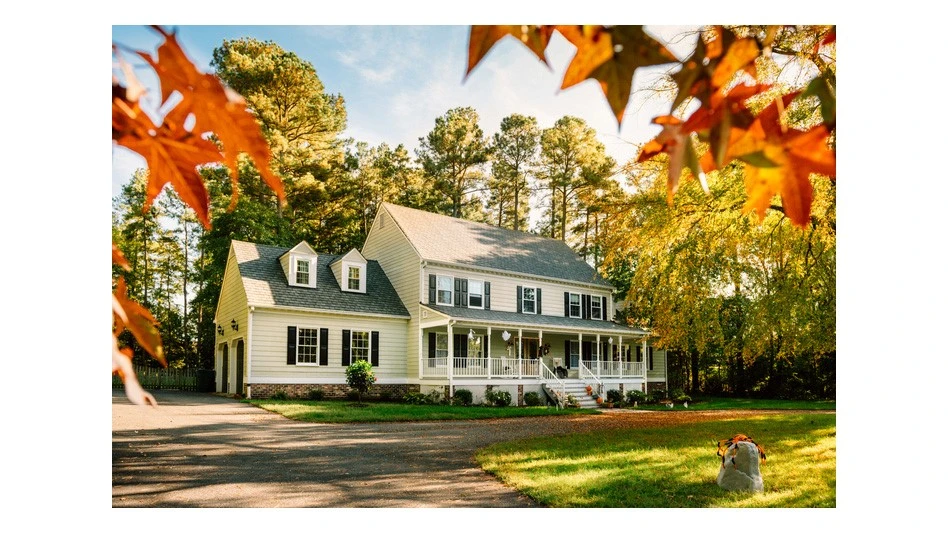
ARE YOU PREPARED? Pest professionals living where one or more invasive pests thrive must be prepared to offer services for controlling such pests in and around their customers' buildings. Each pest species is different but most all originate from outside the building where exterior and perimeter services are the key to stopping inside sightings of these pests. A number of invasive species, particularly crazy and Argentine ants, can be very difficult to control and require a comprehensive strategy. For pests like the brown marmorated stink bug and lady beetles, the timing of treatments can be critical.
As with any pest situation, a survey of the conditions around a building that attract and support target pests should be completed. A plan to address conducive conditions should be presented to the customer with explanation of the benefits provided by eliminating or minimizing such conditions. For example, removing piles of items from the the ground where ants will nest can reduce the numbers of ants found on the property. Replacing aphid-prone plants with those less prone to aphids in landscaping can be very helpful in limiting Argentine and crazy ants. Sealing off potential entry points and ensuring all vents have tight screens is especially important for long term relief from overwintering pests.
For ants, it is helpful to choose a water-based product that can be used to drench or treat ant colonies as they are uncovered as well as labeled for application to the foundation and into exterior cracks where ants may enter. Treatments to the base of trees and shrubs may also be necessary if ants are foraging from or up into such plants. A product labeled to control ants directly on landscape plants can benefit some situations. It is also important to look for and treat discovered ant colonies all the way out to the perimeter of protected properties to limit the potential for target ant species moving up to and into the structure.
Follow label directions for applying perimeter treatments for ants. Avoid relying solely on a foundation application when dealing with ants. Also, look for active and suspected ant trails and apply spot or band treatments along edges and corners of buildings and other structural guidelines. Again, follow label directions are water-based products containing pyrethroids and other insecticides have restrictions on how and where applications can be made outside.
TIMING OF TREATMENT. For invasive and other overwintering pests, the ideal time to treat is just prior to the time these insects begin flying to buildings. The timing varies by area of the country and is tied to when temperatures begin to cool at night. Late August and September are good times in northern states while October and even November might be better further south. Check with local county extension entomologists for recommendations on timing.
Application of residual dust or aerosols into exterior cracks around windows, doors and soffits helps to kill insects that may evade surface treatments outside. For overwintering pests, perimeter treatments are focused above foundation level to sites around windows and doors, soffits, fascia boards and around any vents in the foundation and/or attic. Typically, these applications will be spot treatments or band treatments limited to a certain width around entry points. Choosing a formulation that sits on top of a variety of surfaces is preferred as these are more easily picked up by insects as they crawl to enter cracks.
Invasive pests can be difficult to control, especially in chronic or severe infestations. Understanding where the target species prefers to live or harbor and its habits goes a long way to successful control. Remember, a perimeter treatment is not simply application to a building foundation but entails the direct application to ant nests, insect harborages and potential pest entry points. Choosing a control product labeled for a variety of application sites is helpful in being efficient when controlling any exterior pest situation, but be sure to use multiple formulation types and products when needed.
-----------------------------------------
For invasive and other overwintering pests, the ideal time to treat is just prior to the time these insects begin flying to buildings. The timing varies by area of the country and is tied to when temperatures begin to cool at night.
.jpg)
© iStock
Lady Beetle: Lady beetles are hemispherical in shape and 1/16- to ¼-inch long. Brightly colored, most
.jpg)
© iStock
species are red, brown or tan with black spots; a few are black with red spots. The adults have three tarsal segments, the part of the leg farthest from the body, a characteristic that distinguishes them from destructive beetles of similar size and shape which
have four tarsal segments.
Latest from Pest Control Technology
- Earn CEUs from Your State at Next Week’s Mosquito Control Virtual Conference
- Preserving Culture, Providing Opportunities Key in Hoffman’s Decision
- Winter Weather Could Decide How Bad Mosquito Season Gets
- Trent Frazer Discusses How Mosquitoes Survive Winter
- Barnes Exterminating Acquires Tennessee Pest Solutions
- Pest Index Up 9% YOY in January
- Arrow Exterminators Acquires Hoffman's Exterminating
- PMPs Plan Mera Peak Summit for Parkinson's