Andrew Greess
Editor's note: The following article was submitted by Andrew Greess, pest control equipment expert and President of equipment website Qspray.com. Greess shared some tips for what to keep in an emergency repair kit.
Want to reduce equipment downtime and missed appointments? Spray equipment breakdowns can wreak havoc on your schedule, impact your customers and hurt company profitability. Yet with a little planning some downtime can be avoided.
Here is one simple tip. Keep easy-to-replace parts in each truck so that minor repairs can be completed in the field. A field repair avoids a trip across town to the repair shop so the tech can complete scheduled stops without customer impact.
Emergency repair kits are a fast, inexpensive way to keep your technicians productive.
Equipment wears out. Parts need to be replaced. Rubber parts swell. You will need to buy these parts eventually; you might as well have them when and where you need them. Here are some ideas for parts for your emergency repair kit:
Compressed Air Sprayers & Backpacks: O-rings, gaskets, check valve, tip, etc.
Power Sprayers
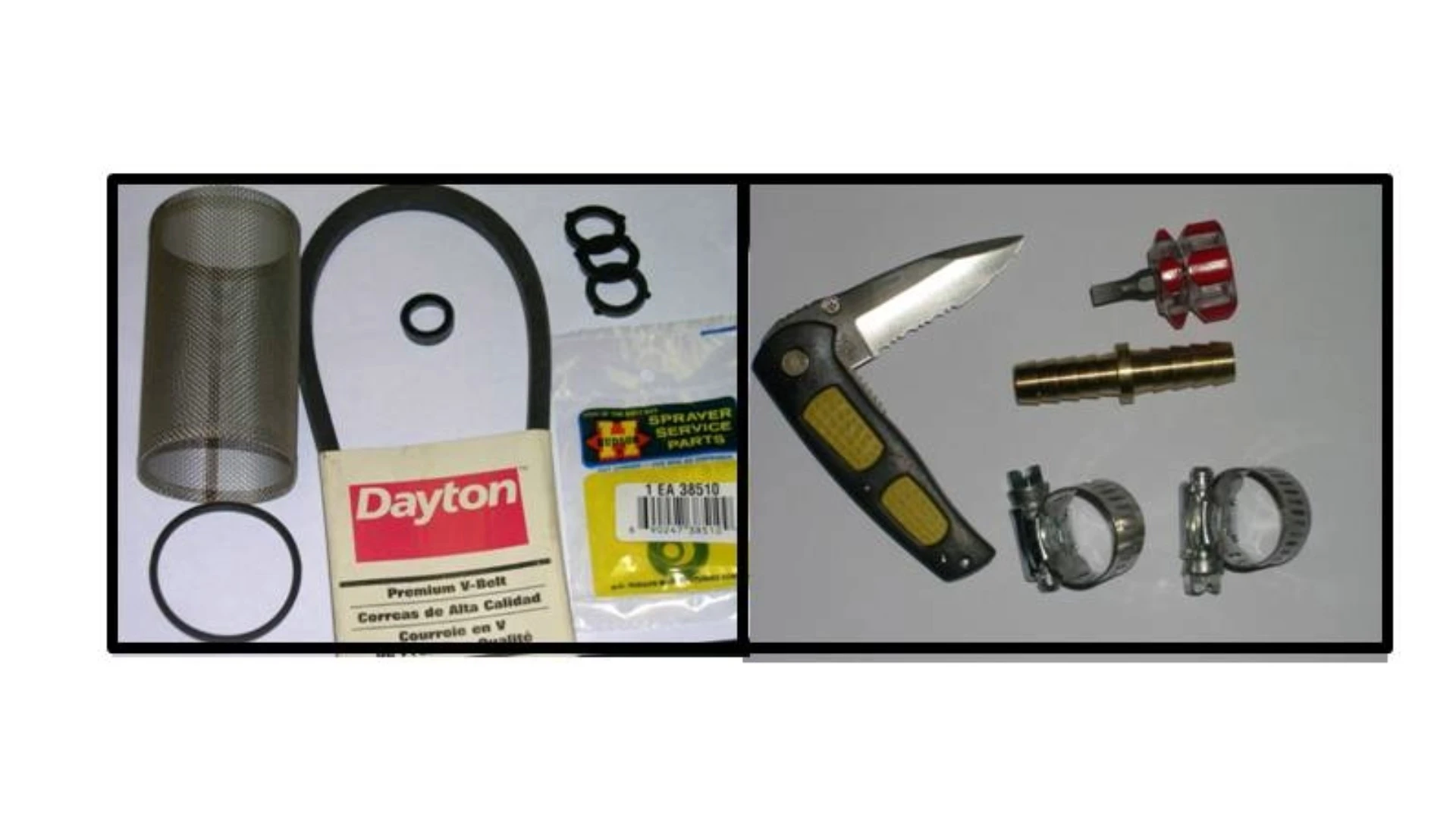
Line Strainer/Filter: Your filter is the source of quite a bit of trouble, so this is probably the most important part of your emergency repair kit: filter gasket & steel screen.
Spray Guns: o-rings swell, then leak and tips get clogged.
Spray Hose: Your spray hose is dragged across rocks, building corners, trees, etc. This wear can cause downtime and spills that need to be cleaned up. You can create a temporary hose repair kit with a knife, screwdriver, 2 clamps and hose mender. These parts are available from your spray equipment provider. The repair will enable the technician to finish the day's route and get back to the repair location where a more permanent repair can be effected.
A couple of caveats when creating your emergency repair kit:
- Focus on minor, easy to accomplish repairs that don't require expensive tools
- Customize the emergency repair kit based on your equipment, technicians, experience, etc.
- Consider technician skill when deciding what types of repairs he or can perform (note: this falls under the rule, don't send your ducks to eagle school). Be sure to train technicians when providing them with repair kits.
- Make sure technicians report what repairs they have made. When conducting truck inspections, check repair kits to see what parts are used. Track repairs to find problem areas. Modify repair kits based upon what you find.
A few dollars expended and a few moments spent training technicians to make field repairs will pay dividends well in excess of your cost. Your customers will benefit as will your bottom line.
Andrew Greess is a pest control equipment expert and President of equipment website Qspray.com. Contact him at Andrew@Qspray.com