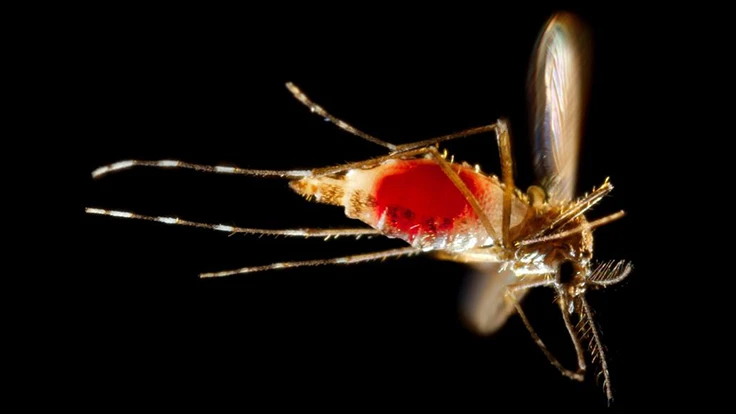
A report that the larvicide pyriproxyfen — not the Zika virus — is behind the recent surge in the cases of microcephaly in Brazil, is untrue, CBS News reported.
The claim has fueled conspiracy theories and allegations of a cover-up around the Internet, and even prompted officials in Brazil's southern state of Rio Grande do Sul to suspend the use of the insecticide over the weekend to allay concerns.
But Brazil's Ministry of Health and independent experts say there is no scientific basis linking the chemical to the birth defect in babies.
The claim originated with a group based in Argentina called Physicians in the Crop-Sprayed Villages. It released a report last week which states: "In the area where most sick persons live, a chemical larvicide producing malformations in mosquitoes has been applied for 18 months, and that this poison (pyroproxifen)[sic] is applied by the State on drinking water used by the affected population."
The group asserted that cases of microcephaly found in areas where thousands of pregnant women were exposed to pyriproxyfen "is not a coincidence." It also claimed that, so far, there have been no cases of microcephaly reported in other countries affected by Zika, such as Colombia, which have higher rates of the virus than Brazil. (In fact, there have been cases documented elsewhere, including French Polynesia following a Zika outbreak there in 2014.)
Brazilian officials were quick to respond, emphasizing that there is no scientific evidence backing the claims.
Click here to read more.
Source: CBS News