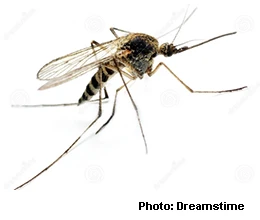
It's not just all about location. Past research has shown that certain species of mosquitoes are better at transmitting malaria than even their close relatives. Now a new genetic assessment has revealed why exactly this is, and potentially offers new options for containing the spread of the deadly parasite, Natureworld News reports.
The Plasmodium parasite, spread by female Anopheles mosquitoes, is vicious and aggressive, causing chill, vomiting, and fever on the first day of symptoms, and quickly escalating into severe anaemia, respiratory distress, or even cerebral problems.
Of a whopping 450 different Anopheles species around the world, only 20 are "locally important, according to the WHO. Recent research has revealed that from this group only 16 species have varying capabilities for transmitting malaria and adapting to new environments.
That's why Daniel Neafsey, a scientist with the Broad Institute; Robert Waterhouse, a Marie Curie International Outgoing Fellow at the Massachusetts Institute of Technology; and Nora Besansky, a professor from the University of Notre Dame, got together to lead a team on an investigation of the mosquito makeup, determining just what makes a select few of these insects the ideal malaria delivery system.
Read more at http://www.natureworldnews.com/articles/10837/20141202/meant-malaria-why-mosquitoes-carry-better.htm#ixzz3KrOXjkK3
Latest from Pest Control Technology
- Earn CEUs from Your State at Next Week’s Mosquito Control Virtual Conference
- Preserving Culture, Providing Opportunities Key in Hoffman’s Decision
- Winter Weather Could Decide How Bad Mosquito Season Gets
- Trent Frazer Discusses How Mosquitoes Survive Winter
- Barnes Exterminating Acquires Tennessee Pest Solutions
- Pest Index Up 9% YOY in January
- Arrow Exterminators Acquires Hoffman's Exterminating
- PMPs Plan Mera Peak Summit for Parkinson's





