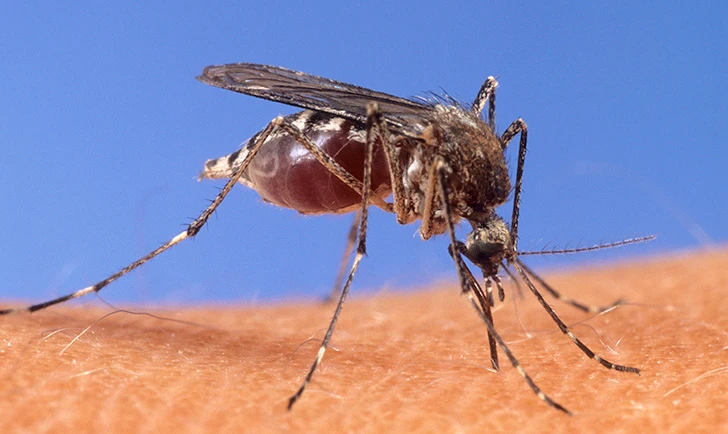
A team of researchers from the Centers for Disease Control and Prevention and Colorado State University is calling for greater efforts to systematically map the presence of the vectors carrying these illnesses, ESA reports.
“The emerging threats of dengue, chikungunya, and Zika virus diseases have highlighted the need for accurate and up-to-date records for the geographical ranges of Ae. aegypti and Ae. albopictus to guide ongoing efforts to strengthen mosquito surveillance and control capacity and to serve as the basis for model-based predictions of future spread of these important arbovirus vectors,” the researchers wrote in an article in the Journal of Medical Entomology.
Senior author Jean-Paul Mutebi of the CDC and his colleagues reviewed data on the spread to the two mosquito species — Aedes aegypti and Aedes albopictus — over the past 21 years. The data are from a variety of sources, including CDC’s ArboNet, the scientific literature, and county collection records.
They show that these two species have expanded their ranges in the U.S. over the past two decades. They have gone from being found primarily in the Southwest and Southeast to the Mid-Atlantic states and as far north as New England.
CLICK HERE to read more.
Source: Entomology Today