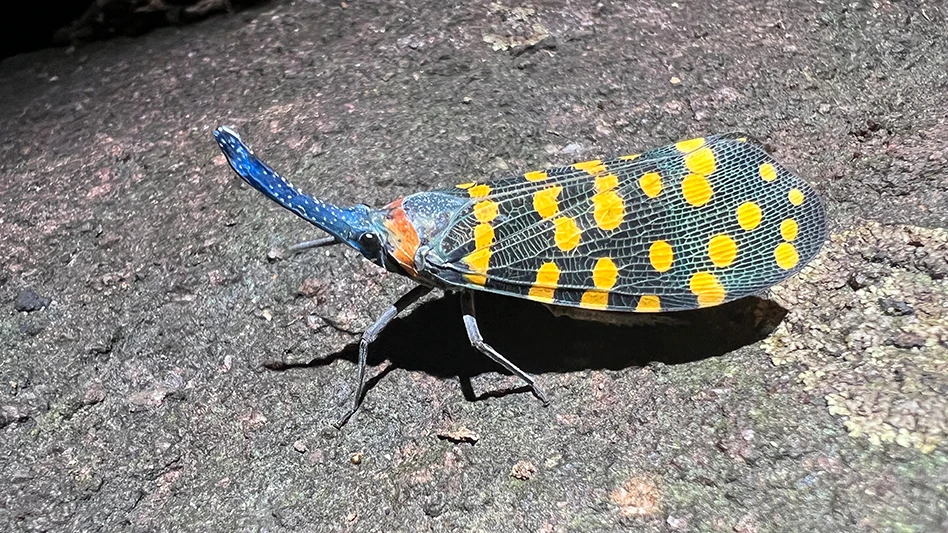
John Wiens, University of Arizona
TUCSON, Ariz. – About 300 years ago, Swedish naturalist Carl Linnaeus set out to identify and name every living organism on Earth. Now known as the father of modern taxonomy, Linnaeus developed the binomial naming system and described more than 10,000 species of plants and animals. Since then, scientists have continued that quest — and according to new research, the pace of discovery is accelerating.
A University of Arizona-led study published in Science Advances finds that scientists are discovering new species faster than ever, with more than 16,000 described each year. The trend shows no sign of slowing, and researchers say biodiversity among groups such as plants, fungi, arachnids, fishes and amphibians is likely far richer than previously thought.
“Some scientists have suggested that the pace of new species descriptions has slowed, indicating we’re running out of species to discover, but our results show the opposite,” said John Wiens, a professor in the University of Arizona Department of Ecology and Evolutionary Biology and senior author of the study. “We’re finding new species at a faster rate than ever before.”
The research team analyzed the taxonomic histories of roughly two million species across all major groups of life. From 2015 to 2020 — the most recent period with comprehensive data — scientists documented an average of more than 16,000 new species annually. That total included more than 10,000 animals, dominated by arthropods and insects, along with about 2,500 plants and 2,000 fungi.
“Our good news is that this rate of discovery far outpaces the rate of species extinctions, which we estimate at about 10 per year,” Wiens said, referencing another study he led published in October. “These discoveries aren’t just microscopic organisms. They include insects, plants, fungi and even hundreds of new vertebrates.”
More Species, More To Come. Wiens and his co-authors found that scientists are describing more species per year than at any time in history. By analyzing long-term discovery trends, they also projected how many species may ultimately be found.
Their estimates suggest there could be as many as 115,000 fish species and 41,000 amphibian species worldwide, compared with about 42,000 fish and 9,000 amphibians described today. The final number of plant species may exceed 500,000.
“As ecologist Robert May once said, if visiting aliens asked how many species live on Earth, we would have no definitive answer,” Wiens said. “We know of about 2.5 million species, but the true number could be tens or hundreds of millions — or even higher.”
Insects highlight the scale of the unknown. Scientists have identified roughly 1.1 million insect species, but many believe the true number is closer to 6 million. Wiens has previously suggested it could approach 20 million.
“Most species today are identified by visible traits,” Wiens said. “As molecular tools improve, we’ll uncover many more cryptic species — organisms distinguishable only by genetics — especially among bacteria and fungi.”
Benefits. Discovering new species has practical importance, Wiens said, because organisms cannot be protected until they are scientifically described.
“Documentation is the first step in conservation,” he said. “We can’t protect species from extinction if we don’t know they exist.”
New species also provide potential benefits to humans. Natural products derived from plants, fungi and animals have led to medical breakthroughs, including GLP-1 receptor agonists — popular weight-loss drugs inspired by a hormone found in Gila monsters. Spider and snake venoms and compounds from plants and fungi are being studied for treatments for pain, cancer and other diseases.
Beyond medicine, many species possess traits that inspire new technologies, such as materials modeled after the adhesive feet that allow geckos to climb vertical surfaces.
“We’re still just scratching the surface of what these species can do for humanity,” Wiens said.
Next, the researchers plan to map geographic hotspots for undiscovered biodiversity and examine who is making the discoveries — testing whether the field has shifted from predominantly European scientists to researchers working in their home countries.
“Even though Linnaeus began this quest 300 years ago, about 15% of all known species have been discovered in just the past 20 years,” Wiens said. “There’s still so much left to learn.”
Source: University of Arizona
Latest from Pest Control Technology
- Earn CEUs from Your State at Next Week’s Mosquito Control Virtual Conference
- Preserving Culture, Providing Opportunities Key in Hoffman’s Decision
- Winter Weather Could Decide How Bad Mosquito Season Gets
- Trent Frazer Discusses How Mosquitoes Survive Winter
- Barnes Exterminating Acquires Tennessee Pest Solutions
- Pest Index Up 9% YOY in January
- Arrow Exterminators Acquires Hoffman's Exterminating
- PMPs Plan Mera Peak Summit for Parkinson's