iStock | bymuratdeniz
ALBANY, N.Y. — The New York State Department of Health announced in a press release that a case of locally acquired chikungunya has been confirmed in New York State. Laboratory testing at the Department's Wadsworth Center confirmed the case in Nassau County on Long Island. This marks the first locally acquired case of chikungunya reported in New York State. No locally acquired cases have been reported in the U.S. states and territories since 2019.
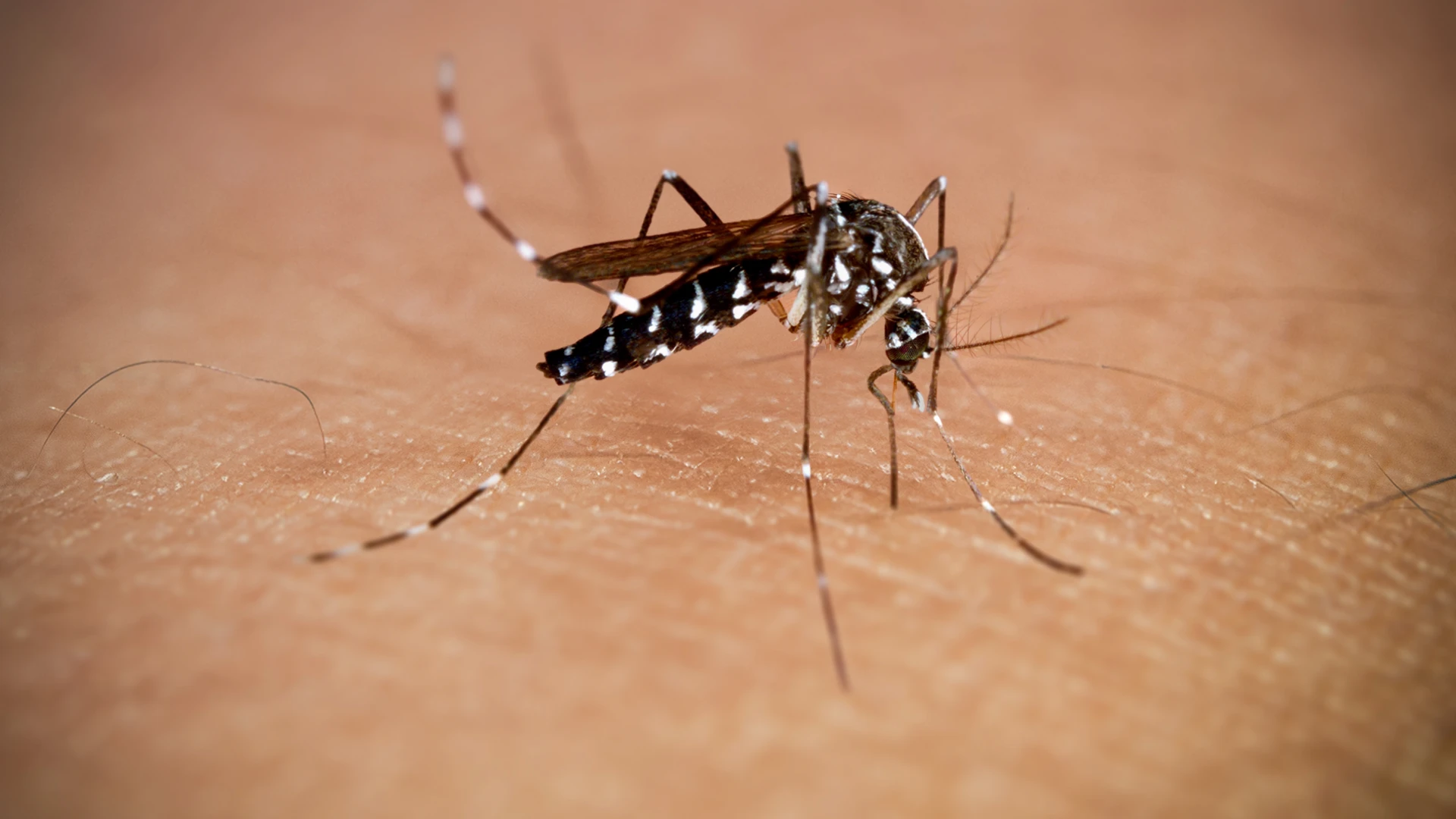
An investigation suggests that the individual likely contracted the virus following a bite from an infected mosquito. While the case is classified as locally acquired based on current information, the precise source of exposure is not known. The Aedes albopictus mosquito, known to transmit chikungunya, is present in parts of downstate New York. Local transmission can occur when an A. albopictus mosquito bites an infected traveler, becomes infected and bites another person. The disease cannot be spread directly from one person to another.
"Our Wadsworth Center has confirmed this test result, which is the first known case of locally acquired Chikungunya in New York State. Given the much colder nighttime temperatures, the current risk in New York is very low." State Health Commissioner Dr. James McDonald said. "We urge everyone to take simple precautions to protect themselves and their families from mosquito bites."
Chikungunya is a mosquito-borne disease most common in tropical and subtropical regions. Symptoms include fever and joint pain, headache, muscle pain, joint swelling, or rash. The illness is rarely fatal and most patients recover within a week, though some may experience persistent joint pain. People at higher risk for severe disease include newborns infected around the time of birth, adults aged 65 and older, and individuals with chronic conditions such as high blood pressure, diabetes or heart disease.
In 2025, there have been three additional chikungunya cases outside New York City that were all linked to international travel to regions with active chikungunya infections. Routine mosquito testing conducted by the Department's Wadsworth Center and the New York City Department of Health and Mental Hygiene (DOHMH) has not detected chikungunya virus in any New York mosquito samples to date.
An investigation suggests that the individual likely contracted the virus following a bite from an infected mosquito. While the case is classified as locally acquired based on current information, the precise source of exposure is not known. The Aedes albopictus mosquito, known to transmit chikungunya, is present in parts of downstate New York. Local transmission can occur when an A. albopictus mosquito bites an infected traveler, becomes infected and bites another person. The disease cannot be spread directly from one person to another.
"Our Wadsworth Center has confirmed this test result, which is the first known case of locally acquired Chikungunya in New York State. Given the much colder nighttime temperatures, the current risk in New York is very low." State Health Commissioner Dr. James McDonald said. "We urge everyone to take simple precautions to protect themselves and their families from mosquito bites."
Chikungunya is a mosquito-borne disease most common in tropical and subtropical regions. Symptoms include fever and joint pain, headache, muscle pain, joint swelling, or rash. The illness is rarely fatal and most patients recover within a week, though some may experience persistent joint pain. People at higher risk for severe disease include newborns infected around the time of birth, adults aged 65 and older, and individuals with chronic conditions such as high blood pressure, diabetes or heart disease.
In 2025, there have been three additional chikungunya cases outside New York City that were all linked to international travel to regions with active chikungunya infections. Routine mosquito testing conducted by the Department's Wadsworth Center and the New York City Department of Health and Mental Hygiene (DOHMH) has not detected chikungunya virus in any New York mosquito samples to date.
Latest from Pest Control Technology
- Earn CEUs from Your State at Next Week’s Mosquito Control Virtual Conference
- Preserving Culture, Providing Opportunities Key in Hoffman’s Decision
- Winter Weather Could Decide How Bad Mosquito Season Gets
- Trent Frazer Discusses How Mosquitoes Survive Winter
- Barnes Exterminating Acquires Tennessee Pest Solutions
- Pest Index Up 9% YOY in January
- Arrow Exterminators Acquires Hoffman's Exterminating
- PMPs Plan Mera Peak Summit for Parkinson's





