Courtesy of Orkin
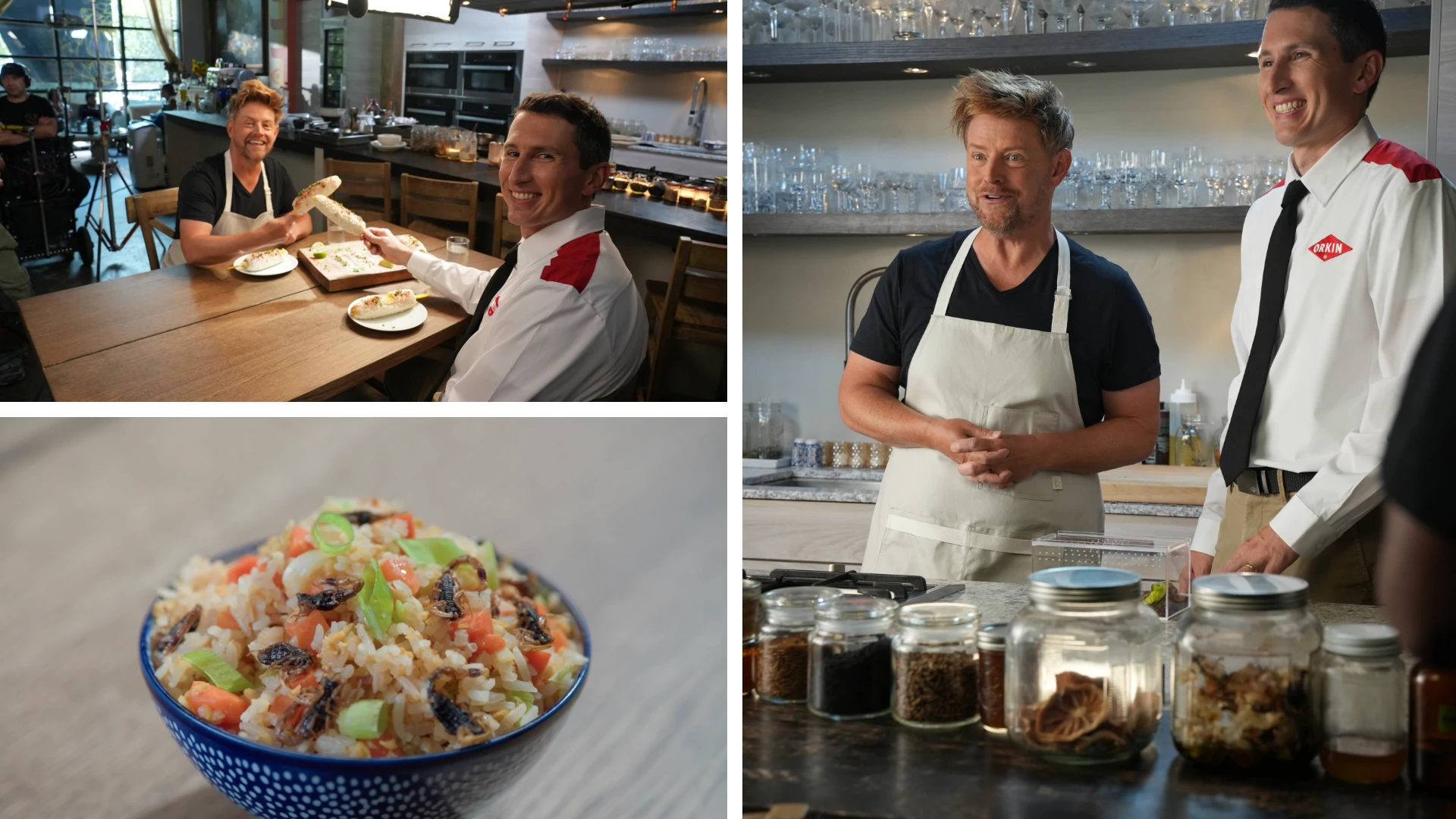
ATLANTA — Orkin entomologist Ian Williams challenged celebrity chef Richard Blais in the kitchen to try new insect recipes and face fears, while sharing entomology knowledge on insects like ants, crickets, mealworms, tarantulas and scorpions.
Orkin shared the 20-minute show, Bug Bites, on their YouTube channel, featuring five unique insect recipes crafted by Chef Blais. A live tasting was filmed of each recipe, showing the raw, unedited reactions from both Williams and Blais for the first time.
“The Orkin marketing team always looks for great ways to engage with the public to offer educational opportunities to talk about insects, public health pests and the gaps in between,” Williams said. “Richard brought amazing creativity and energy to the Bug Bites filming and worked to come up with the entire menu. We thought it would be a fun way to talk about what makes a pest, a pest, and open discussions to sustainability and environmental responsibility.”
PCT Senior Digital Editor Amanda Joerndt caught up with Williams to hear his firsthand experience working on set with Blais, his thoughts on trying each bug dish and cultural viewpoints on eating insects that have been discovered in the U.S.
Amanda Joerndt: Describe your experience working with Blais on set, watching him make each recipe and trying it for the first time on camera? Which recipe was your most (and least) favorite?
Ian Williams: Richard was amazing to work with, a true professional and genuinely great human. His natural curiosity and vulnerability around trying the dishes was so awesome to see in action. Plus, watching a chef as talented as Richard up close and personal was incredible for me. My favorite dish was absolutely the mealworm pesto (“Best in Pest-O”) – it was fantastic! While I like a lot of insects and arthropods, I knew going in that the tarantula would be a tough one for me and that one turned out to be my least favorite. Spiders still give even the pros like me the creeps sometimes!

AJ: What were some fun and memorable moments of filming?
IW: The hype of getting to try the insect/arthropod-based dishes was palpable all day, and waiting to see what flavors came out with the “bugs” was super cool. The conversations and intersection of insect science with food science was really fun to have with Richard, talking about the biology of the insects and bringing that into how the flavors might come through. I also loved getting Richard to hold the live specimens when I could, and loved seeing the high-resolution closeup footage of the live specimens!
AJ: What cultural implications are associated with eating insects?
IW: Culturally in the U.S., insects have a big “ick” factor that a lot of people find insects scary, disgusting or just plain odd when thinking about food. We have food safety laws and regulations to keep insects and other pests out of food, which they aren’t intended to be in, but there are many cultures around the world which eat insects regularly, some as delicacies and others as an integral part of their diet, and it is becoming more common in the U.S. to find foods made from insects.
There is great science showing the nutritional composition of certain insects, like crickets and mealworms, can compete with traditional protein sources. There is some debate on whether the proteins are complete (including all essential amino acids in appropriate levels), but what can’t be denied is the sustainability benefits when it comes to food and water resources to grow crickets compared to some vertebrate protein sources.
There’s a wide world of diversity and incredible creatures out there to be appreciated, and that can, sometimes, be by eating them!
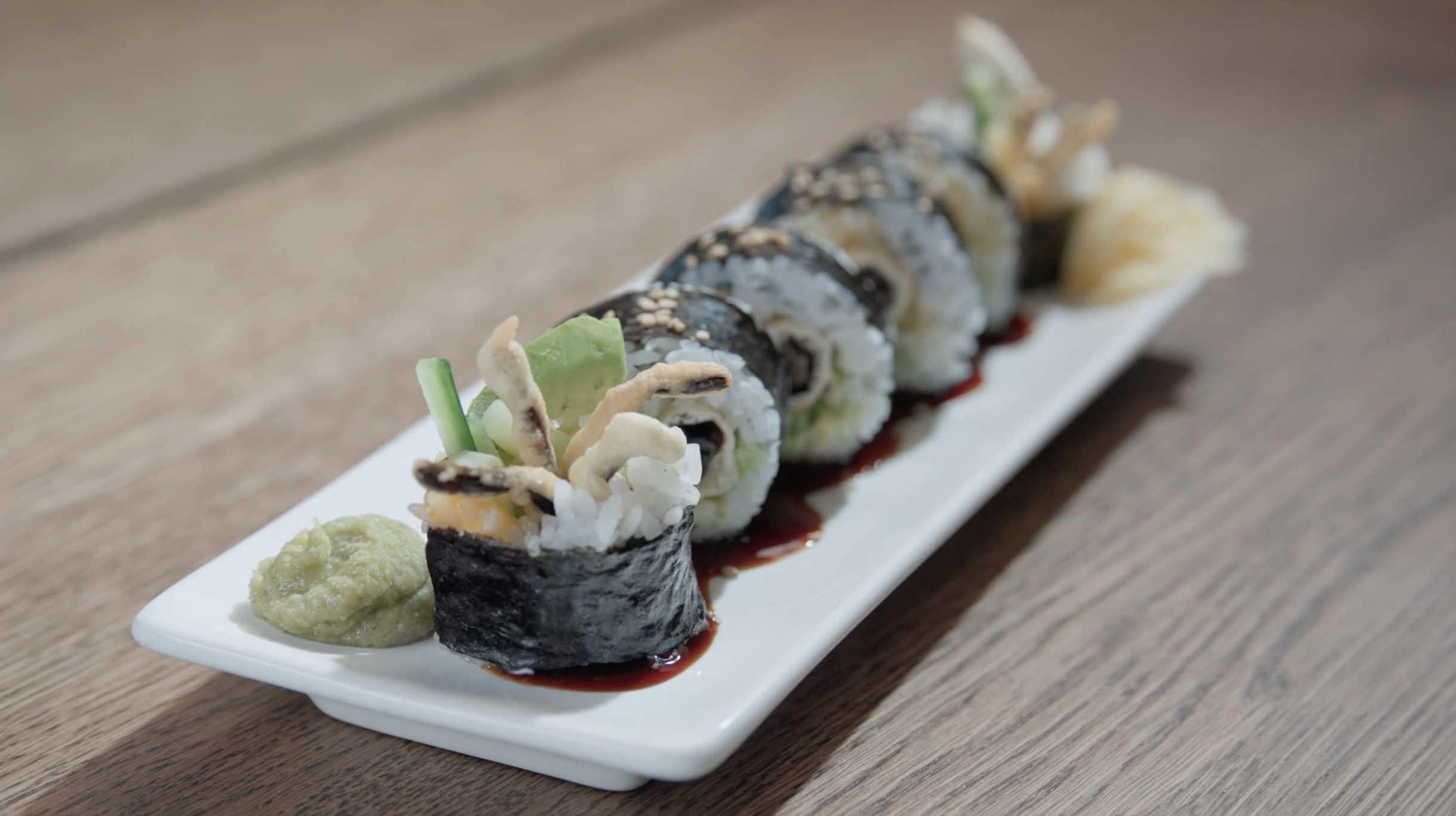
AJ: As an entomologist, what advice do you give to people interested in eating insects and associating public health risks with them?
IW: Not all insects or arthropods can be eaten, nor should they be. In fact, people who suffer from shellfish allergies (namely crustaceans like shrimp, crab and lobster) should avoid insects altogether as they have very similar allergen risks. If you are going to eat insects, it is wise to source them from culinary grade insect food suppliers, and like all food, make sure it is cooked completely and stored properly according to food safety guidelines. Pests, like cockroaches in the kitchen, can of course transmit dangerous pathogens that can cause serious illness, and should be managed by pest management professionals using integrated pest management strategies.
Williams has been an Orkin team member for 16 years, where he started out as a wildlife technician at Trutech Pest and Wildlife Removal. He has been on the entomology team at Orkin for the last four years.
Blais, a James Beard Award-nominated chef, restauranteur and television personality, was a fan favorite on Top Chef and went on to win Top Chef All-Stars.
Latest from Pest Control Technology
- Earn CEUs at Next Week's Mosquito Control Virtual Conference
- Coast Releases Report on Fuel Spend
- WPCA Hosts Midwest Pest Con
- Google Ads Mistakes That Cost PCOs Thousands
- Zach DeVries Details his Cockroach Research, Importance of UK Short Course
- Sprague Strengthens California Leadership Through New Appointments
- PestInsight Empowering Youth in Africa and Beyond Through Education
- Guest Editorial: Making Safety the Standard on Every Service Call