Credit: Billy Olesen
Editor's note: The following article was submitted by Billy Olesen, president of PestStop in Olympia, Wash., on a recent honeybee pollinator decline study, why this matters to the pest management industry and the role PMPs play in making sure pest control and pollinator protection go hand in hand.
For as long as I’ve been in this industry, pest management professionals have been tagged as the bad guys when it comes to pollinator decline. The finger always seemed to point at pesticides. And to be fair, we’ve had to work hard to change practices, follow the science, and prove that modern pest control is about precision and responsibility — not heavy-handed spraying.
But a new study out of Italy flipped that story on its head. And it should make all of us stop and think.
The Island Experiment
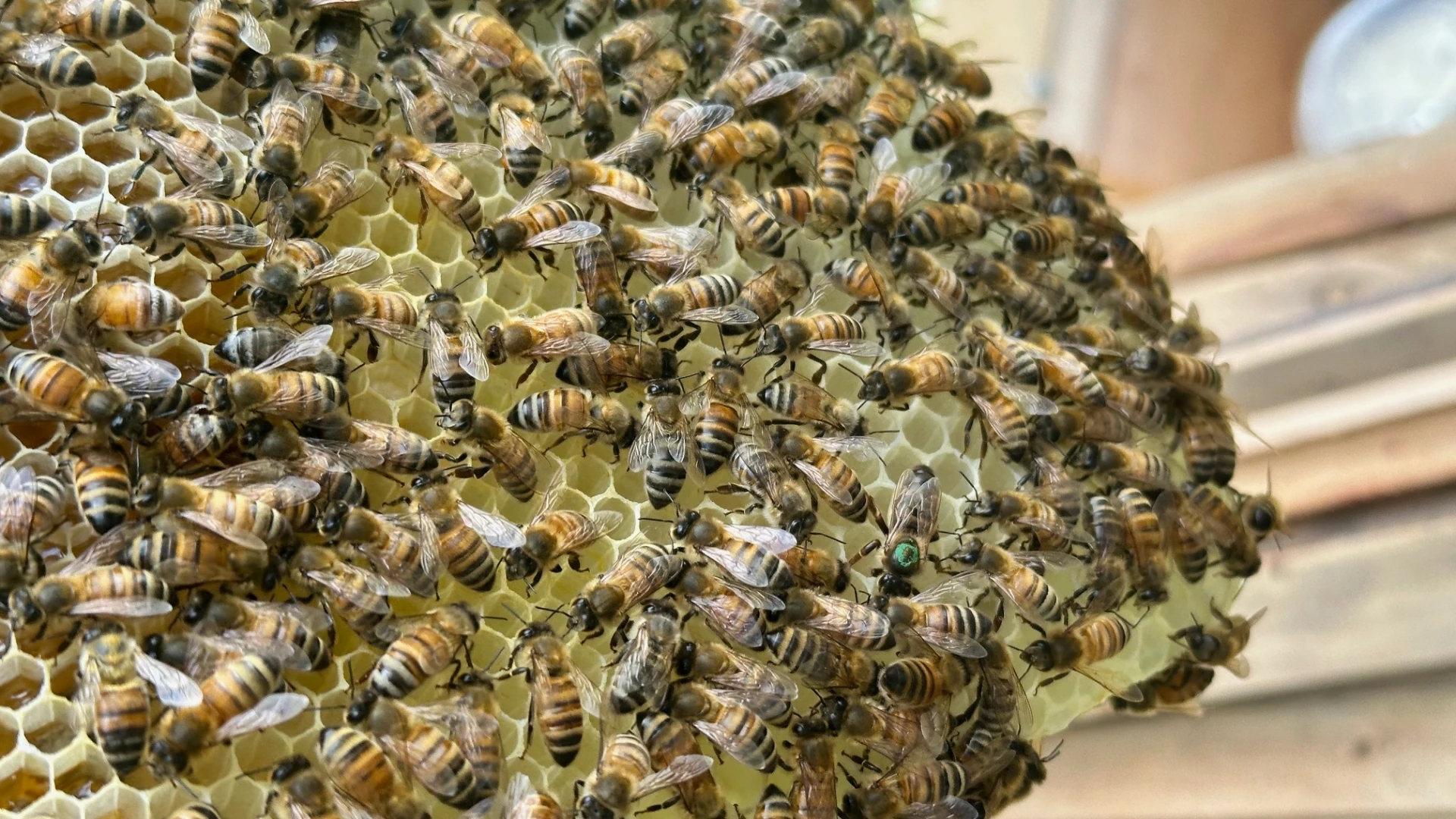
Researchers brought 18 honeybee hives to a little island off Tuscany and watched what happened over four years. The result was jaw-dropping: populations of native pollinators — like bumblebees and Anthophora — plummeted by nearly 80%.
No pesticides. No habitat bulldozing. Just honeybees outcompeting the locals.
The flowers were stripped before wild pollinators had a chance. And when scientists temporarily locked the honeybees in their hives, the natives bounced back almost immediately.
Why This Matters to Us
For years, we’ve been cast as the “leading cause” of pollinator decline. But this study shows the truth is a whole lot more complicated. Sometimes, it’s not chemicals. Sometimes, it’s the very species we’ve always celebrated — honeybees — overwhelming the balance.
Now, this doesn’t mean pesticides are off the hook. It means the picture is bigger. And that’s where pest management professionals like us have a real role to play.
Our Role Moving Forward
Here’s how I see it:
Educators. We can help explain the nuance. Not every decline is because of pesticides. Sometimes it’s about competition, disease, or habitat loss. The public needs to hear that from people who actually work in the field.
Collaborators. We’re in a unique spot to work with growers, landscapers, and yes — even beekeepers — to make sure pest control and pollinator protection go hand in hand.
Stewards. By leaning into IPM, careful timing, and habitat awareness, we prove this industry isn’t the problem — we’re part of the solution.
A Bigger Conversation
What really hit me about this study is how easy it is to oversimplify. We’ve all gotten used to the soundbite that “pesticides kill pollinators.” And sure, if misused, they can. But this shows pollinator decline isn’t a one-note song. It’s a whole chorus of issues: climate change, shrinking habitat, diseases, poor forage — and now, clearly, competition from honeybees too.
So here’s the thought I’ll leave you with:
If even honeybees — the species we’ve held up as agriculture’s heroes — can cause this much harm under the wrong conditions, maybe it’s time to stop looking for a single villain. Maybe it’s time to start looking at the full system.
And that’s exactly where pest management professionals have a seat at the table.
Latest from Pest Control Technology
- Google Ads Mistakes That Cost PCOs Thousands
- Zach DeVries Details his Cockroach Research, Importance of UK Short Course
- Sprague Strengthens California Leadership Through New Appointments
- PestInsight Empowering Youth in Africa and Beyond Through Education
- Guest Editorial: Making Safety the Standard on Every Service Call
- Truly Nolen Pest Control Promotes Tuck, Stewart
- Little to No Hesitance When Asking for Customer Reviews, PCOs report
- Arrow Termite & Pest Control (La.) Acquires Ark-La-Tex Exterminators