Andrew Greess, pest control equipment expert
POWER SPRAYERS:
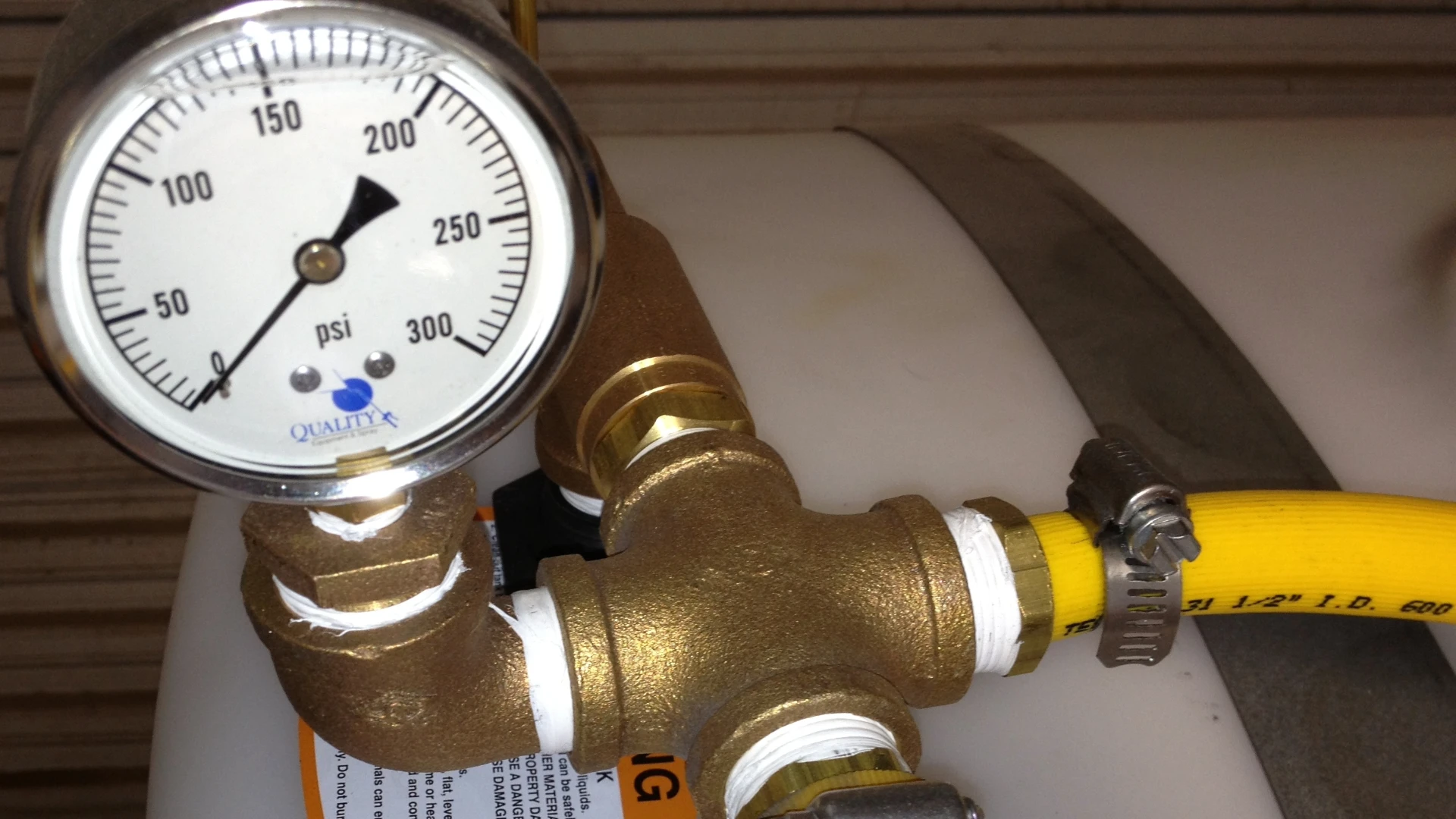
Pest control technicians sometimes turn up the pressure to finish their jobs faster. Here are some of the consequences of running a power sprayer at higher pressures:
- Higher operating pressure reduces the life of pump, hoses, fittings, o-rings, seals, gaskets, etc.
- Chemical spills will be larger and more serious when a component bursts at higher (rather than lower) pressure
- Higher pressure can also increase spray drift, which can create a legal risk for you and your company.
Suggestions:
- Set a company guidelines for power sprayer operating pressure.
- Train techs to operate power sprayers at recommended pressure.
- Supervisors should check the operating pressure by observing technicians in the field or starting power sprayer as part of a regular vehicle inspection.
MANUAL SPRAYERS:
Over pressuring manual sprayers (such as backpack sprayers or 1-gallon compressed air sprayers) can damage these units.
The most common problem we see is techs trying to solve a problem by over pumping the sprayer. This doesn’t solve the problem; it causes more expensive, time-consuming damage. It is important to train techs that most problems are not solved by continued pumping.
RELEASE THE PRESSURE:
Another great way to reduce spray equipment problems is to release the pressure. Release the pressure on after each stop to prevent problems.
Releasing the pressure on the sprayer extends the life of soft parts like hose, o-rings, gaskets, etc. We used to suggest releasing the pressure at the end of the day, but technicians forget and sprayers end up stored under pressure all night. Remember summer temperatures on the truck are higher than ambient, so the pressure in your system will increase if you don’t release the pressure.
Releasing the pressure also reduces the chance of freeze damage should a deep freeze occur. If the sprayer is stored under pressure and the temperature drops, there is nowhere for the water to expand. The weakest link in the system will break when the water freezes.
Train technicians to release pressure of all power and manual compressed air sprayers at the end of each stop to extend the life of your equipment and reduce breakdowns and downtime.
Andrew Greess is a pest control equipment expert and author, and President of Qspray.com, the pest control equipment website.
Latest from Pest Control Technology
- Earn CEUs from Your State at Next Week’s Mosquito Control Virtual Conference
- Preserving Culture, Providing Opportunities Key in Hoffman’s Decision
- Winter Weather Could Decide How Bad Mosquito Season Gets
- Trent Frazer Discusses How Mosquitoes Survive Winter
- Barnes Exterminating Acquires Tennessee Pest Solutions
- Pest Index Up 9% YOY in January
- Arrow Exterminators Acquires Hoffman's Exterminating
- PMPs Plan Mera Peak Summit for Parkinson's





