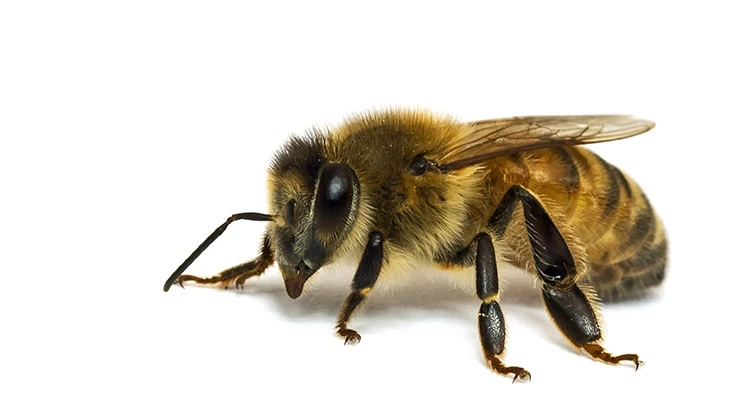
Managing mosquito and tick populations and protecting the health of pollinators are growing concerns on a global scale, but success in both requires teamwork on the local level, Phys.org reported.
A coalition of entomologists and other scientists specializing in both disease-vector management and pollinator protection suggest professionals in these disciplines must work closely together in their local communities to ensure that efforts to reduce mosquito and tick populations don't harm bees, butterflies, and other pollinating insects. Findings from the group's research are published this week in the Entomological Society of America's Journal of Medical Entomology.
"These collaborations work best during the planning stage of vector-control programs. Different localities generally have different vector and pathogen species and different pollinator species," says Howard S. Ginsberg, Ph.D., research ecologist and field station leader at the U.S. Geological Survey's Patuxent Wildlife Research Center. "Vector-control personnel know where the vectors are, when pathogen amplification occurs, and when during the year and day to intervene to interrupt the transmission cycle. Pollinator experts know where the floral resources and pollinator nesting habitats are, and when during the year and day the pollinators are active. Working together, these experts can devise targeted vector-management strategies that effectively minimize both pathogen transmission and harm to pollinators."
Click here to read more.