istock | Dmitry Potashkin
Editor's note: The following content was written by Paul Blackhurst, head of technical academy at Rentokil Pest Control, about the increase in rat infestations in vehicles as a result of cold weather. Blackhurst shared ways to prevent rat infestations in your vehicle this winter.
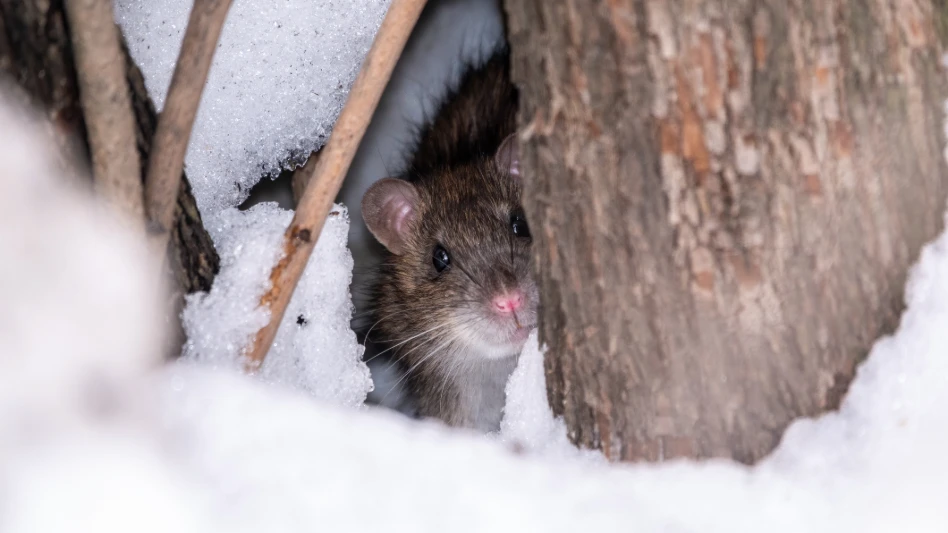
We’re seeing more and more cases of rats infesting vehicles, and as the weather turns colder, the risk increases significantly. Rats are attracted to the warmth and security a parked car offers. Engine bays and hidden compartments in cars make ideal harborage and nesting spots. However, once inside, they can cause extensive and costly damage.
Rats are exceptionally agile creatures and can squeeze through surprisingly small gaps, entering through grilles, vents or even an open car window. They also have neophobic tendencies, meaning they’re wary of new objects, so a vehicle that’s been parked in the same place for a long time can actually become more appealing to them because it feels like a stable and undisturbed environment.
Once inside, rats can chew through electrical wiring, seatbelts, and insulation. We’ve seen cases where they’ve climbed into the engine, chewing parts which can be dangerous as well as expensive to repair. For classic or older vehicles, replacing chewed wiring or rare components can be extremely difficult, if not impossible.
We recently asked our frontline colleagues about their experiences of dealing with rats and other pests in vehicles. Of those who responded to the survey* 60% have encountered or treated rat activity in vehicles, most commonly in cars (76%), followed by vans (40%), lorries (25%) and even buses (9%). Aside from damage, it’s important to remember that rats also carry several diseases, so finding evidence of them in your vehicle should always be taken seriously.
How to reduce the risk of rats (or mice) setting up home in your vehicle:
- Avoid parking near bins, food waste areas, compost heaps or overgrown vegetation, as these are areas that attract rats.
- Try not to leave your car stationary for long periods. We’d advise to check your car from time to time or move it occasionally just to disrupt any nesting attempts.
- Keep windows fully closed when parked, just to ensure they can't climb their way in.
- Clean child seats. Babies and children can be notoriously messy, and their car seats can quickly accumulate a mass of compacted food morsels. Regularly remove any child seats, vacuuming thoroughly underneath to remove any crumbs and wiping over to remove the tempting smell left by squashed raisins and rice cakes.
- Remove food or rubbish from inside the vehicle. Taking away their food source will make your vehicle less attractive to them.
- Store pet food securely. If you keep pet food or bird food in your garage, make sure it is stored safely and securely, as it can attract rodents.
- Check your vehicle regularly, especially during colder months, for signs of droppings or unusual smells.
- Consider using deterrents, such as rodent-proof mesh over ventilation grilles or professionally recommended repellents.
- Don’t forget to keep your garage/carport tidy. If you park your car in a garage or covered carport then don’t forget to keep the area clutter-free so you are not giving rodents an easy place to hide.
*The internal research covered the analysis of survey responses completed by 100+ frontline Rentokil Pest Control technicians between Nov. 13-17.
Latest from Pest Control Technology
- Shannon Sked Discusses Preemption and Legislative Day Importance
- Routes to Riches with Kemp Anderson: Ep. 1 — 2026 Outlook
- NPMA Honors Industry Leaders At 2026 Legislative Day
- NPMA Legislative Day Highlights Farm Bill Momentum and Push for Pesticide Preemption
- John Skinner Discusses Terminix's New Ad Campaign
- Franklin Pest Solutions Announces 2026 Bug Bowl Interns
- Terminix Strikes a Chord With Preventative Push in New ‘Ahhh’ Campaign
- Company Compassionately Solves a Severe Rodent Infestation