iStock | ErikKarits
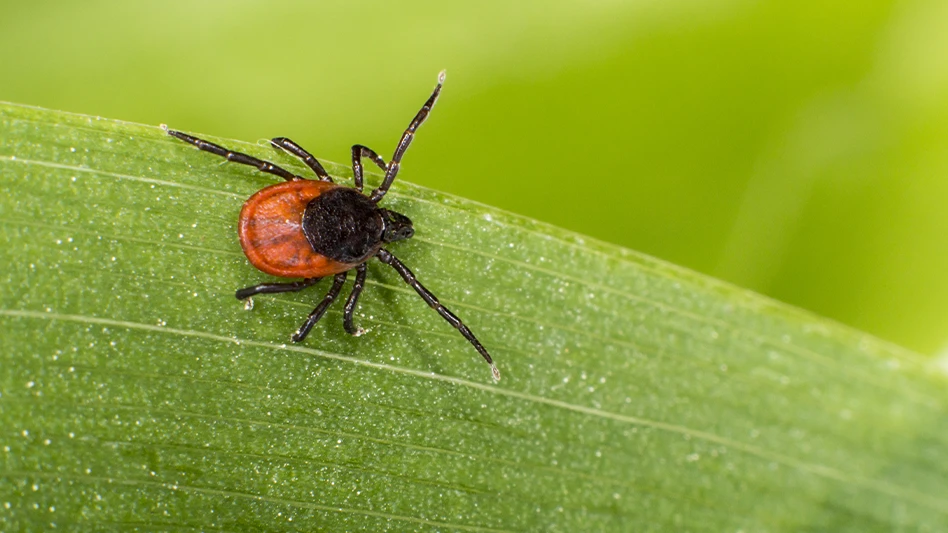
While it's common for humans and animals to pick up static electricity, a study published in the journal Current Biology show those charges are enough to give ticks a lift in the air to their next meal.
AP reported that researchers studied the castor bean tick, which are most active in warm months, showing a normal level of static, an electric charge that clothes or fur can pick up in movement, could pull ticks a fraction of an inch.
Although the distance is small, “it’s the equivalent of us jumping three or four flights of stairs in one go,” study author Sam England, an ecologist now at Berlin’s Natural History Museum, stated in the AP article.
Stephen Rich, a public health entomologist at the University of Massachusetts Amherst, told AP these ticks, 'hang out on a branch or a blade of grass with their legs outstretched — a behavior known as “questing” — and wait for people or animals to pass by so they can grab on and bite."
Rich added in the AP article that people should keep using classic tick prevention measures, including repellents, to keep themselves safe from bites.
Latest from Pest Control Technology
- Earn CEUs from Your State at Next Week’s Mosquito Control Virtual Conference
- Preserving Culture, Providing Opportunities Key in Hoffman’s Decision
- Winter Weather Could Decide How Bad Mosquito Season Gets
- Trent Frazer Discusses How Mosquitoes Survive Winter
- Barnes Exterminating Acquires Tennessee Pest Solutions
- Pest Index Up 9% YOY in January
- Arrow Exterminators Acquires Hoffman's Exterminating
- PMPs Plan Mera Peak Summit for Parkinson's