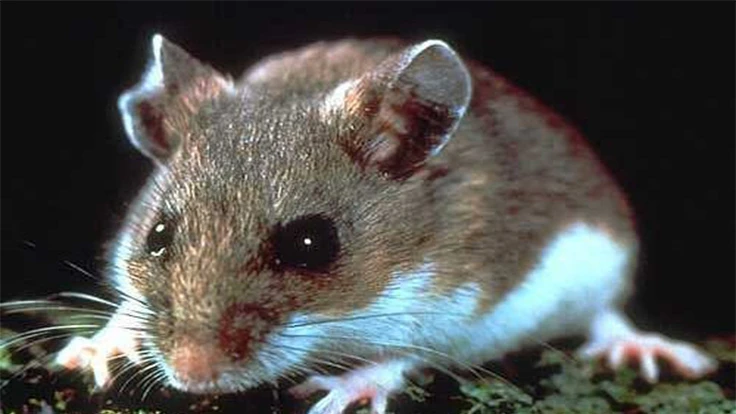
LONDON - Rodents have joined mosquitoes in the cross-hairs of scientists working on a next-generation genetic technology known as “gene drive” to control pests, Reuters reported.
Researchers in Scotland said they had developed two different ways to disrupt female fertility in rats and mice, building on a similar approach that has already been tested in the lab to eliminate malaria-carrying mosquitoes.
So-called gene drives push engineered genes through multiple generations by over-riding normal biological processes, so that all offspring carry two copies. Usually, animals would receive one copy of a gene from the mother and one from the father.
The technique is extremely powerful but also controversial, since such genetically engineered organisms could have an irreversible impact on the ecosystem.
Concerns about the proliferation of mutant species have led some to call for a gene drive ban, but Bruce Whitelaw of the University of Edinburgh’s Roslin Institute told Reuters that would be short sighted.
“A moratorium would prevent the research which is required for us to understand if and how this can be used in an advantageous way for our society,” he told reporters in London.
CLICK HERE to read the entire article.
Source: Reuters
Latest from Pest Control Technology
- BOM Hosts Dinner at NPMA Legislative Day
- Rear Admiral Scott Moore Shares Five Essential Leadership Principles
- 2026 NPMA Legislative Day Photo Gallery
- Fleetio Launches AI Service Advisor
- Shannon Sked Discusses Preemption and Legislative Day Importance
- Routes to Riches with Kemp Anderson: Ep. 1 — 2026 Outlook
- NPMA Honors Industry Leaders At 2026 Legislative Day
- NPMA Legislative Day Highlights Farm Bill Momentum and Push for Pesticide Preemption