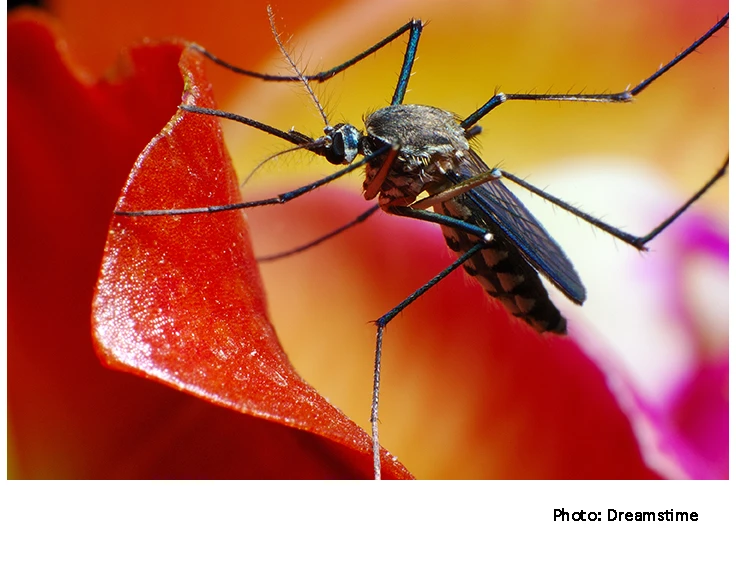
Scientists say even a relatively modest rise in temperatures can trigger substantial changes within the invisible ecosystems in which pathogens and hosts interact. The results can be extraordinarily difficult to predict, but a preponderance of evidence suggests that a warmer United States will see greater numbers of insect pests and new waves of insect-borne disease, the Washington Post reports.
Starting Monday, negotiators from more than 190 countries will meet in Paris in hopes of cementing a treaty that will reduce emissions of greenhouse gases blamed for climate change. The ultimate goal is to prevent temperatures from rising by more than two degrees Celsius (3.6 degrees Fahrenheit) above historical norms, a level that some scientists believe is the maximum that Earth can sustain without major ecological disruption.
But warming temperatures already appear to be bringing new disease threats as pests and pathogens normally associated with the tropics march steadily northward. Some, like the mosquito-borne chikungunya virus and dengue fever, had rarely been seen on the US mainland. Others, such as the now-endemic West Nile virus, are showing up earlier in the year and lingering longer as winters grow steadily milder.
Health departments throughout the United States are already preparing for the onslaught, stepping up monitoring of insect carriers, or vectors, for the presence of West Nile and other viruses. Major Southern cities such as Dallas have introduced community-wide pesticide spraying for the first time in nearly half a century. US officials and scientists say the United States is well equipped to respond to new disease outbreaks compared with other parts of the world. But many also acknowledge the possibility of surprises, even at relatively modest levels of warming.
Click here tor read the entire article.
Source: Washington Post
Latest from Pest Control Technology
- Earn CEUs from Your State at Next Week’s Mosquito Control Virtual Conference
- Preserving Culture, Providing Opportunities Key in Hoffman’s Decision
- Winter Weather Could Decide How Bad Mosquito Season Gets
- Trent Frazer Discusses How Mosquitoes Survive Winter
- Barnes Exterminating Acquires Tennessee Pest Solutions
- Pest Index Up 9% YOY in January
- Arrow Exterminators Acquires Hoffman's Exterminating
- PMPs Plan Mera Peak Summit for Parkinson's





