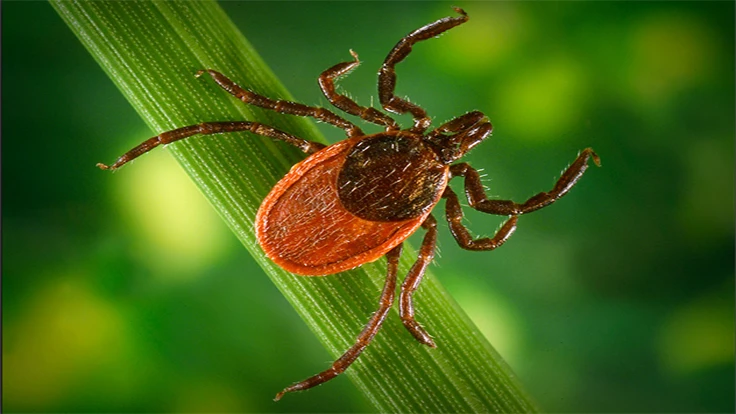
A Connecticut-based scientist says a popular shrub sold at some nurseries and big box stores across the state is being blamed for a rise in the tick population, which is causing an increase in Lyme disease cases in the state.
State scientists reported the rate of Lyme disease infection in ticks tested so far this year is up by 40 percent compared with 2016, NBC Connecticut reported. They also allege that the increase is related to the popular landscaping shrub Japanese barberry, also known as Berberis thunbergii.
Darrel Phillips, a resident of Griswold, Connecticut, told NBC Connecticut Troubleshooters that he and at least six other relatives have had Lyme disease multiple times. Their youngest son, Liam, was diagnosed with Powassan, a rare tick-born disease, at just 5 months old. According to the Center for Disease Control, about 75 cases of Powassan virus disease were reported in the U.S. over the past 10 years. Liam's diagnosis was the first confirmed case of Powassan in the state, NBC Connecticut reported. In the woods outside the Phillips' home, the family said they have found acres of Japanese barberry growing wild. It is recognized by the state as an invasive species, but s a shrub in home gardens and commercial landscapes, such as those outside malls, gas stations and restaurants.
Visit NBC Connecticut’s website for more details on the increase in ticks and Lyme disease in the state.
Latest from Pest Control Technology
- Earn CEUs from Your State at Next Week’s Mosquito Control Virtual Conference
- Preserving Culture, Providing Opportunities Key in Hoffman’s Decision
- Winter Weather Could Decide How Bad Mosquito Season Gets
- Trent Frazer Discusses How Mosquitoes Survive Winter
- Barnes Exterminating Acquires Tennessee Pest Solutions
- Pest Index Up 9% YOY in January
- Arrow Exterminators Acquires Hoffman's Exterminating
- PMPs Plan Mera Peak Summit for Parkinson's





