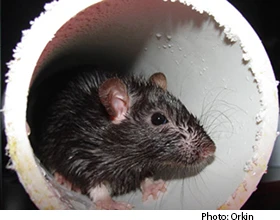
An international team of wildlife biologists have completed the second phase of history's largest rat-eradication program on the remote island, National Geographic reports.
The group has been working to rid rodents from South Georgia Island, a lonely British Antarctic territory in the far South Atlantic that is of ecological importance.
Braving appalling weather in the run-up to the Antarctic winter, the group's helicopter pilots logged hundreds of hours in perilous flying conditions to spread nearly 200 tons of rodenticide over 224 square miles (580 square kilometers) of South Georgia's coastline.
The ultimate goal: To rid this once supreme seabird habitat of its millions of rats once and for all. South Georgia was probably the richest seabird-breeding area in the world when British Captain James Cook visited it in 1775, according to Tony Martin of the University of Dundee, who leads the rat-eradication campaign on behalf of the South Georgia Heritage Trust.
This recent bait drop follows a successful trial two years ago, which cleared 10 percent of South Georgia of the invasive rodents. Next year, Martin said, the group plans to return and finish the job, hopefully rendering South Georgia rat-free by 2015.
Click here to read the entire story.
Source: National Geographic