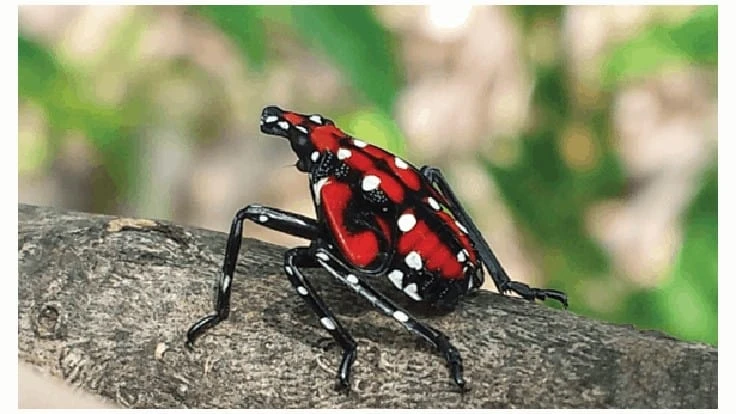
The insect, which is native to Asia, was first confirmed in Pennsylvania in 2014 and has since spread to multiple counties, which are now quarantined.
In March 2021, PDA added eight additional counties to the Spotted Lanternfly Quarantine, for a total of 34 Pennsylvania counties now in quarantine:
The spotted lanternfly causes serious damage including oozing sap, wilting, leaf curling and dieback in trees, vines, crops and many other types of plants. In addition to plant damage, when spotted lanternflies feed, they excrete a sugary substance, called honeydew, that encourages the growth of black sooty mold. This mold is harmless to people however it causes damage to plants. In counties infested and quarantined for spotted lanternfly, residents report hundreds of these bad bugs that affect their quality of life and ability to enjoy the outdoors during the spring and summer months. Spotted lanternflies will cover trees, swarm in the air, and their honeydew can coat decks and play equipment.
In addition to damaging trees and affecting quality of life, the spotted lanternfly is a huge threat to Pennsylvania agriculture industry. The economic impact could total in the hundreds of millions of dollars and hundreds of thousands of jobs for those in the grapes, apple, hops, and hardwood industries.
Latest from Pest Control Technology
- Earn CEUs from Your State at Next Week’s Mosquito Control Virtual Conference
- Preserving Culture, Providing Opportunities Key in Hoffman’s Decision
- Winter Weather Could Decide How Bad Mosquito Season Gets
- Trent Frazer Discusses How Mosquitoes Survive Winter
- Barnes Exterminating Acquires Tennessee Pest Solutions
- Pest Index Up 9% YOY in January
- Arrow Exterminators Acquires Hoffman's Exterminating
- PMPs Plan Mera Peak Summit for Parkinson's





