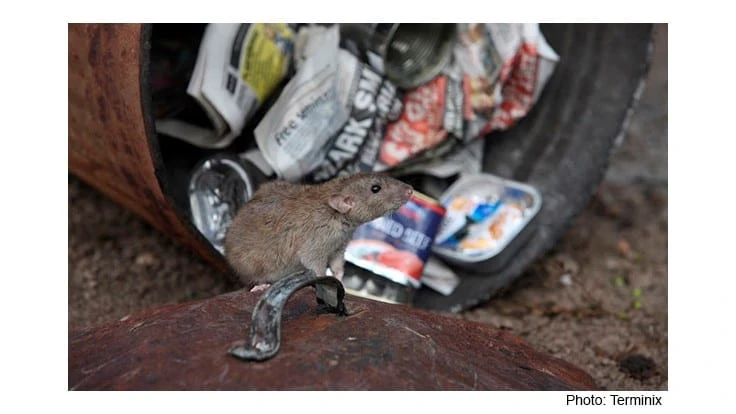
As homes have become the center of daily living – rats and mice are invading homes at an increased rate. In fact, Terminix has seen a 13% increase in rodent-related requests* over last year, likely due to the effects of the pandemic.
As pest management professionals know, effective and lasting rodent control requires an integrated approach, including preventive measures to keep rodents from getting into homes, reducing places they can live, trapping and monitoring, and increased sanitation measures to protect homes and families.
Terminix offers the Terminix Promise to help customers protect their homes for the holidays and beyond by identifying entry points and conditions that allow rodents to thrive.
“Most homeowners are familiar with the common signs of rats and mice, including finding droppings, damaged boxes and papers, noises from within walls or in attics, and even chewed wiring,” said Dan Baldwin, director of technical services for Terminix. “Often, these are just a glimpse of more serious, costly, and potentially dangerous problems for your home. Rats and mice can carry and spread pathogens – bacteria, viruses, and other organisms that can cause disease – into and throughout a house, contaminating food, kitchen countertops, and any other area they contact. Chewed electrical wiring can lead to fires, and damaged data cables can be a major disruption to homeowners. For those reasons, homeowners have always trusted our trained and professional teammates for the proper and thorough removal of these rodents.”
Latest from Pest Control Technology
- Terminix Strikes a Chord With Preventative Push in New ‘Ahhh’ Campaign
- Company Compassionately Solves a Severe Rodent Infestation
- Earn CEUs from Your State at This Week’s Mosquito Control Virtual Conference
- Jody Green Talks Ticks at Purdue Conference
- Truly Nolen Pest Control Promotes Freize, Hackett
- Preserving Culture, Providing Opportunities Key in Hoffman’s Decision
- Winter Weather Could Decide How Bad Mosquito Season Gets
- Trent Frazer Discusses How Mosquitoes Survive Winter