iStock | SPmemory
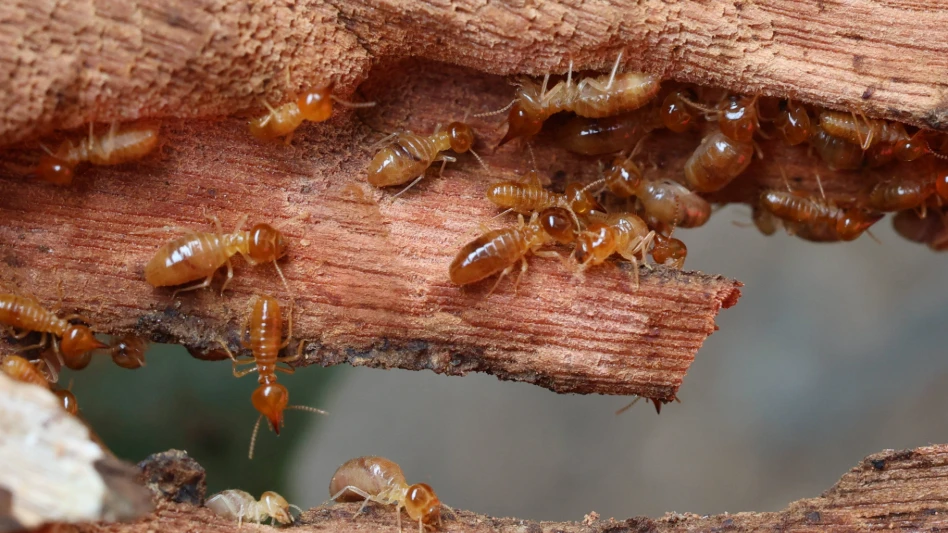
MEMPHIS, Tenn. – As termite swarms begin emerging nationwide, Terminix, a Rentokil Terminix company, released its first-ever ranking of Top U.S. States for Termite Activity. Backed by 2025 proprietary pest management data, field expertise and real-time insights from technicians across the country, the report spotlights the worst states for termites, based on where homeowners needed termite treatment most often, according to Rentokil-owned Terminix branch data.
According to the National Pest Management Association, termites cause an estimated $6.8 billion in damage and treatment costs for U.S. properties each year. Because termite destruction often occurs out of sight, including inside walls, under floors and within structural supports, infestations can go undetected until significant damage is already done, making proactive prevention and routine inspections critical, Terminix said.
Southern, Coastal States Dominate Risk Rankings. Consistently warm temperatures, high humidity and dense development create ideal breeding grounds for termite colonies. Southern and coastal states like Florida, California, Texas and Georgia continue to be the epicenter of termite activity. These regions provide termites with reliable access to food sources, shelter and breeding conditions across residential and commercial environments, fueling sustained risk regardless of season, the company reported.
Top 10 States for Termite Activity:
- Florida
- California
- Texas
- Georgia
- Tennessee
- Pennsylvania
- Arkansas
- Ohio
- New York
- Maryland
“Any structure that contains wood, whether it’s new or old, modest or luxurious, is vulnerable to termites,” said Steven Dupuy, technical services manager at Terminix. “The data shows just how widespread termite activity has become, and why routine inspections and early prevention are critical to stopping severe structural damage that can be costly to repair.”
Rising Temperatures are Expanding Termite Risk. While termite activity has historically been concentrated in warmer coastal regions, shifting weather patterns are broadening exposure nationwide, Terminix said. Shorter winters and rising average temperatures are enabling termite colonies to survive longer and migrate into areas that previously experienced only moderate pressure. Parts of the Midwest and Northeast are now seeing increased activity — signaling a growing need for preventive inspections even outside traditional high-risk zones, according to the company.
Understanding the Stakes. Because termite damage can progress behind walls and beneath surfaces without visible signs, proactive prevention is critical to protecting structural integrity. Terminix said it recommends the following steps to help reduce exposure:
- Minimize wood-to-ground contact. Subterranean termites travel through soil to reach food sources. Store firewood properly, elevate wooden structures and inspect fences for rot or signs of infestation.
- Clear mulch, plants and foliage around buildings. Create at least 12 inches of space between plants and the exterior walls to improve airflow and dry damp areas faster.
- Manage moisture issues. Inspect roofing for water leaks, examine gutters and downspouts, adjust sprinkler heads and check for plumbing leaks to reduce ideal environments that allow termite colonies to populate.
- Schedule annual termite inspections. Beyond these routine maintenance tips, expert inspections help identify vulnerabilities early and reduce the risk of major structural damage caused by termites.
Later this month, Terminix said it will publish additional resources on Termite tips and insights that homeowners and businesses can reference throughout Termite season.
*This data for this content was pulled from Rentokil North America, Inc. “Terminix” branches. Rentokil does not operate Terminix branches in all states.
Latest from Pest Control Technology
- Google Ads Mistakes That Cost PCOs Thousands
- Zach DeVries Details his Cockroach Research, Importance of UK Short Course
- Sprague Strengthens California Leadership Through New Appointments
- PestInsight Empowering Youth in Africa and Beyond Through Education
- Guest Editorial: Making Safety the Standard on Every Service Call
- Truly Nolen Pest Control Promotes Tuck, Stewart
- Little to No Hesitance When Asking for Customer Reviews, PCOs report
- Arrow Termite & Pest Control (La.) Acquires Ark-La-Tex Exterminators