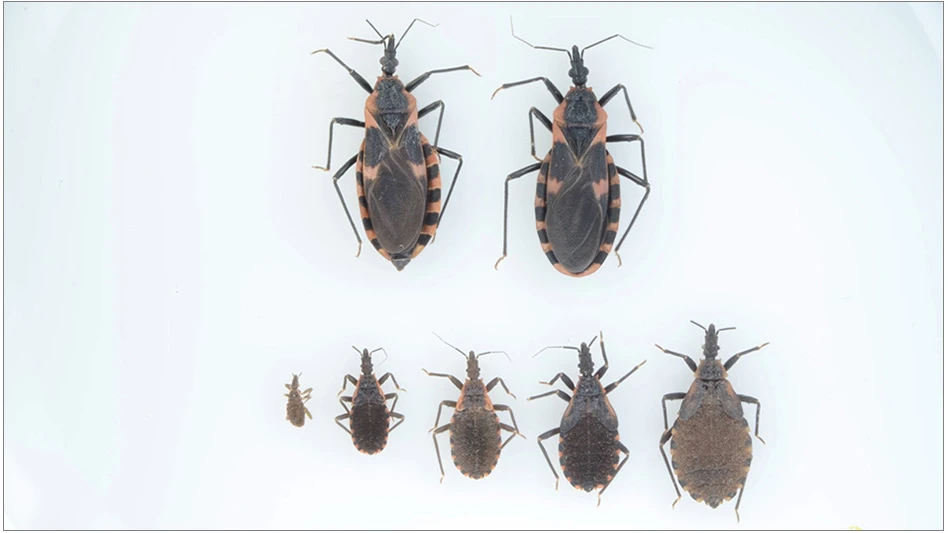
Courtesy of the University of Florida’s Emerging Pathogens Institute
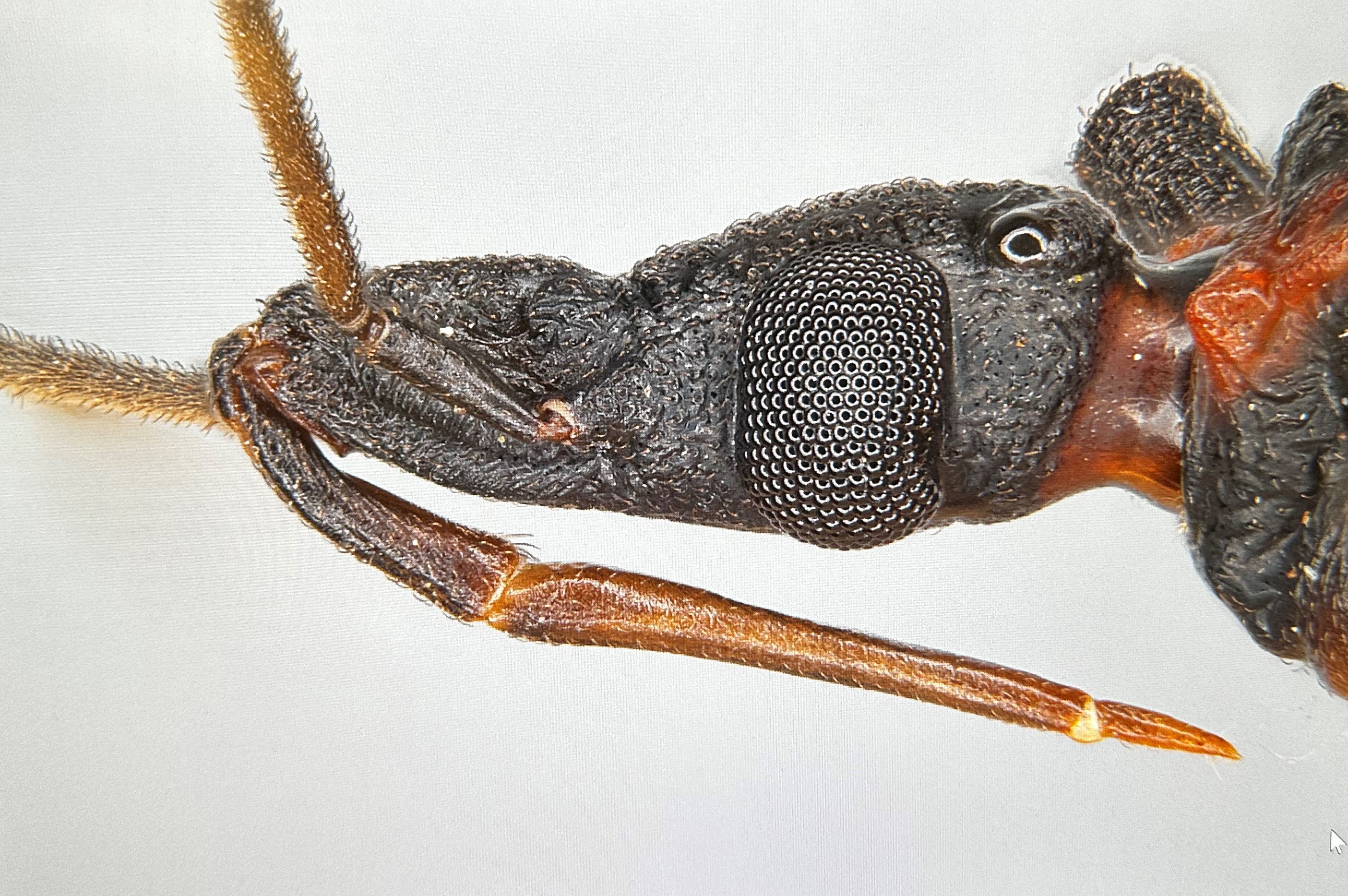
Triatomines bugs, also known as “kissing bugs,” have made recent headlines for being considered endemic in the United States, according to a September Centers for Disease Control and Prevention report.
Kissing bugs are blood-sucking pests and vectors of the protozoan parasite Trypanosoma cruzi, the contributing source of Chagas disease (CD), according to Norman Beatty, associate professor of medicine and infectious disease scientists at the University of Florida’s Emerging Pathogens Institute.
Beatty’s research studies focus on medical entomology and vector-borne diseases, with 10 years of experience studying CD, he said.
“The kissing bug has nymphal stages that mature to adults and have a distinctive conenose and markings on their abdomen which distinguishes them from other bugs,” Beatty said. “These insects have been found in at least 32 southern U.S. states.”
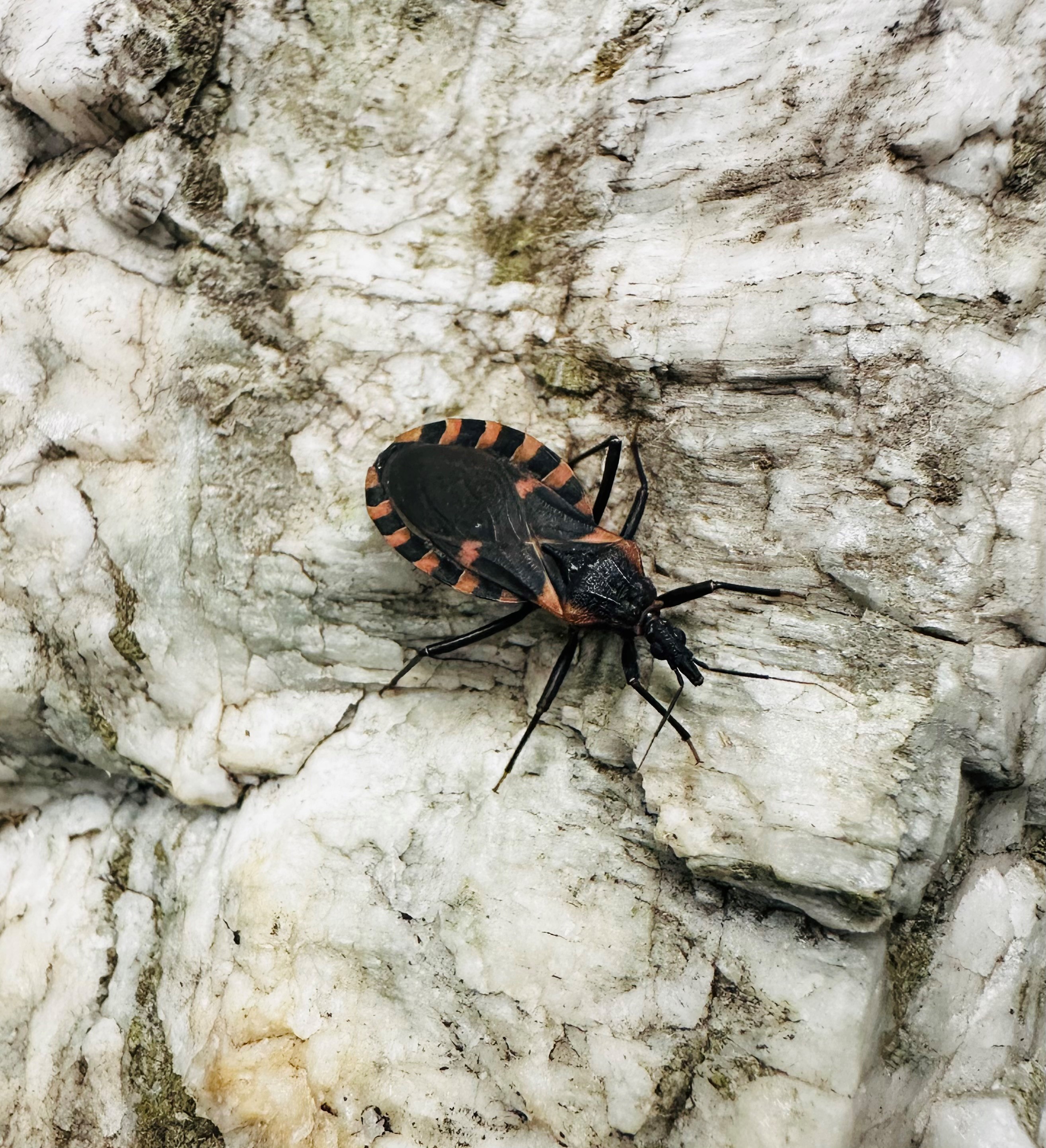
The kissing bug was first identified in 1909 by Carlos Chagas, a Brazilian physician. CD is a debilitating infection endemic to Latin America that affects 6 to 10 million people worldwide, with an estimate of 65 to 100 million people residing in regions at infection risk, Beatty states in his report in the Journal of Medical Entomology.
“The focus of the disease has been in Latin America, where we know vectors are more likely to be transmitters of this disease, but here in the U.S., we have at least 11 known species found in different regions and ecosystems with different behaviors,” Beatty said.
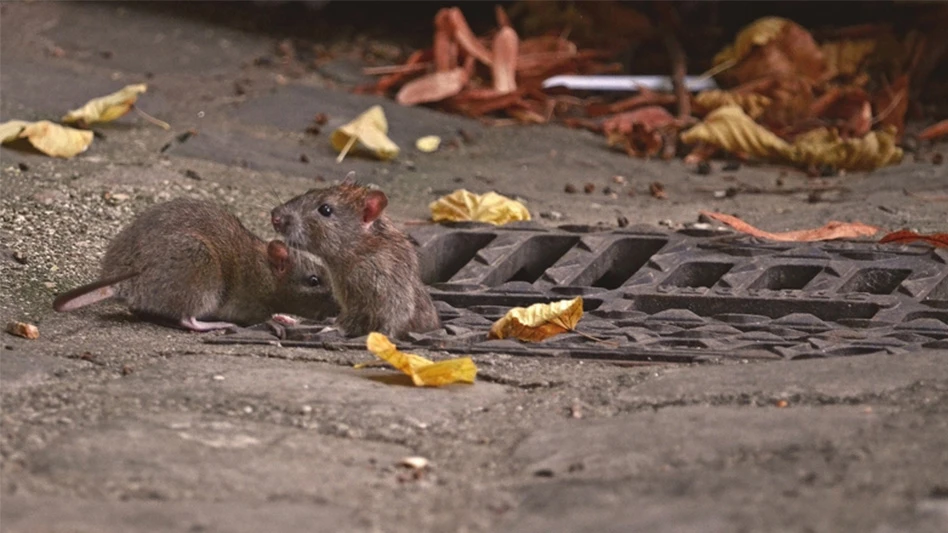
Kissing bugs will most likely be seen flying around homes between May to the end of August, and can be found near outdoor clutter, particularly around wood piles, and can be found feeding on wildlife, like possums, raccoons and even rodents. From there, they are looking for more blood and end up inside the home, Beatty said.
“We have found in our research that close to 25% of our intakes in the labs have human blood in them,” he said.
One place where pest management professionals can find these insects is close to dog kennels or areas where dogs rest or reside, as the insect has attraction to the canines, Beatty said, adding when the kissing bug is being transmitted and the cycle is constant, that allows the parasite to be circulating around the human dwelling.
The bite can also have physical reactions. The parasite invades the host’s skin when the skin is damaged due to scratching. Chagas’ disease begins as an acute illness with fever, swollen and painful lymph glands, heart dysfunction and possibly encephalitis-like symptoms.
Survivors of the initial phase, which carries a mortality of 2 percent to 10 percent, generally enter a non-symptomatic phase, PCT previously reported. This phase may last for 10 to 20 years before serious heart muscle problems develop. There currently is no effective treatment for Chagas’ disease.
In his studies, many people initially found the kissing bug hiding in their bed, creating an environment for the perfect blood-sucking meal for this pest, Beatty said.
“The bite itself causes a large welt on the skin. It’s not painful at first, but it will cause more of an allergic reaction at the site, looking swollen and red and can be itchy,” he said. “They will look around their bed and find a kissing bug in their bed, it’s pretty common for this to happen [in Florida].”
Residual pesticide formulations can be used during targeted times of the year, specifically looking at late spring time and in May is when the adults are starting to disperse, Beatty said.
“If door jams, window seals or cracks and crevices cannot be repaired around the home, even if a homeowner has a serious infestation, we recommend a perimeter sweep with a pyrethroid,” he said.
CONTROL OF KISSING BUGS.
In the Mallis Handbook of Pest Control, 10th edition, Richard Cooper, founder of R-Cooper Consulting and 35-year pest management industry veteran, authored “Ectoparasites, Part Three: Bed Bugs & Kissing Bugs.”
Cooper wrote that control of kissing bugs involves reducing the contact between the bugs and humans and shared major steps in controlling this pest:
1. Inspection to identify areas of bug activity.
2. Removal of animal nesting areas within close proximity to the structure.
3. Removal of conditions around the structure attractive to the bugs (e.g., wood piles, rock piles, etc.).
4. Modification of lighting to reduce the attraction of kissing bugs.
5. Exclusion of the bugs from the structure (e.g., sealing cracks, tight-fitting windows, etc.); elimination
of harborages inside the structure (sealing cracks, removal of wall hangings, etc.).
6. Applications of insecticides to control remaining individuals
If conenose bugs are suspected, inspections should be conducted to identify the areas being used as harborages, Cooper said. These harborages will ultimately need to be eliminated using sealants or treatment with insecticides. In addition, cardboard traps/monitors also can be used to detect the presence of conenose bugs within the structure.
Cooper emphasizes reduction of animals and their nesting sites in and around the structure is another important component of a conenose bug control program. Structures should be carefully inspected both inside and out for the presence of animal nesting activity.
“Excluding conenose bugs from entering the structure can be difficult; however, efforts should be made to seal as many gaps in the structure as possible and ensure screens fit tightly and are free of tears,” Cooper wrote in the handbook. “Exterior lighting can also be modified to limit the number of bugs attracted to the structure. Lighting mounted directly to the structure should be changed to sodium vapor or yellow lighting and used only as necessary, particularly if it is near a window or door.”
DDT and other chlorinated hydrocarbon insecticides, as well as malathion and a variety of other organophosphate insecticides, have been used in the past, but none of these are available for use in the U.S. and none have proven to be entirely satisfactory, Cooper said.
Beatty added that traction is being gained in identifying and controlling kissing bugs, but more research and studies need to be performed for further confidence in treatment.
“A kissing bug is not found on any Environmental Protection Agency-approved label for any pesticide in the U.S.,” he said. “There’s a great need to study which insecticides are bio-active in triatomine bugs in the U.S.”
Latest from Pest Control Technology
- Google Ads Mistakes That Cost PCOs Thousands
- Zach DeVries Details his Cockroach Research, Importance of UK Short Course
- Sprague Strengthens California Leadership Through New Appointments
- PestInsight Empowering Youth in Africa and Beyond Through Education
- Guest Editorial: Making Safety the Standard on Every Service Call
- Truly Nolen Pest Control Promotes Tuck, Stewart
- Little to No Hesitance When Asking for Customer Reviews, PCOs report
- Arrow Termite & Pest Control (La.) Acquires Ark-La-Tex Exterminators