iStock | Nikolaeva Elena
Editor’s Note: The following article was adapted from Techletter, with permission from Pinto & Associates.
Americans have more pets than ever before. Forbes Advisor reported that 65.1 million U.S. households own a dog, and according to the World Animal Foundation, as of 2024 there are 73.8 million pet cats are living in U.S. And don't forget about other pests such as birds, rabbits, guinea pigs, hamsters, and ferrets. Pet ownership has important implications for pest control. For example, cat owners commonly leave dry food out 24 hours a day for Tabby to nibble on as she pleases
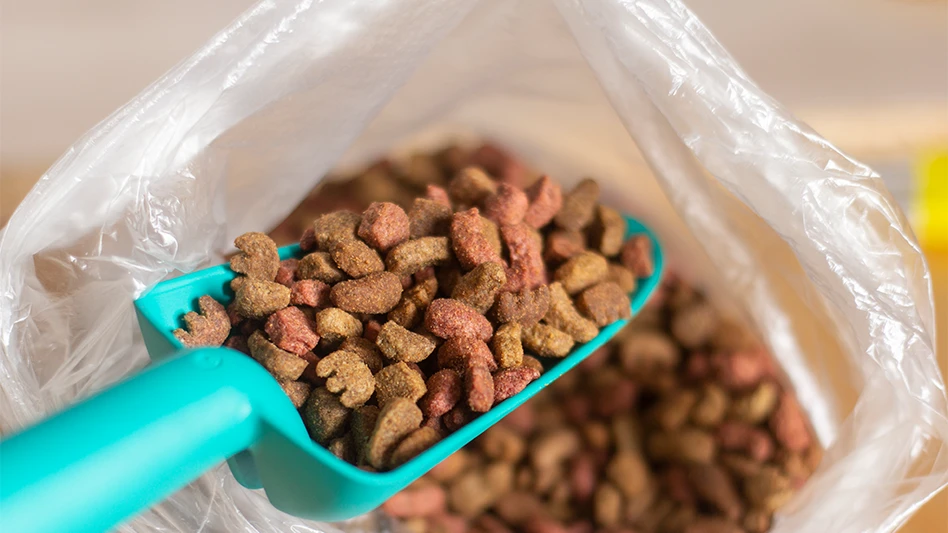
Unfortunately, pet food also makes wonderful pest food. In fact, entomologists who study cockroaches usually rear them on a diet of dry pet chow. Cockroaches and flies also feed on the nutrients left in pet feces.
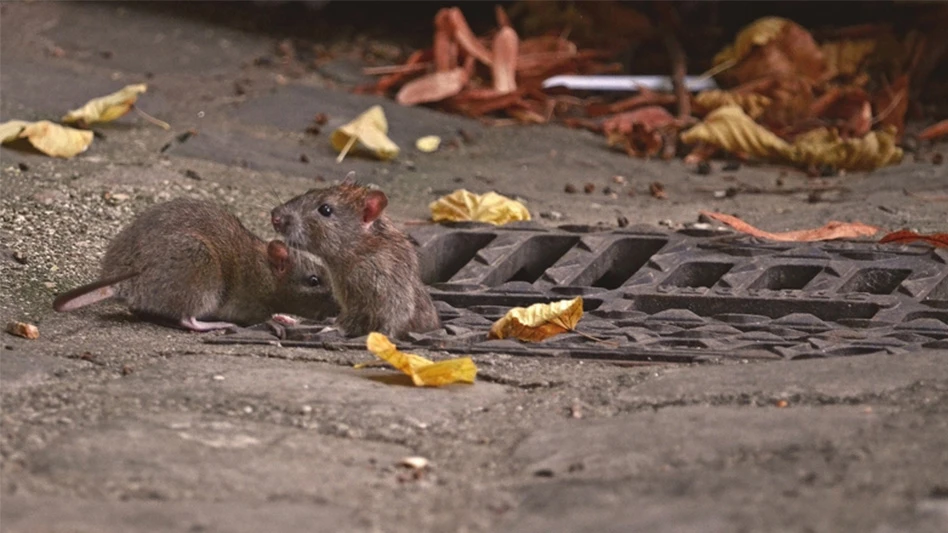
Pet chow and bird seed are prime sources of stored product pests. Large bags of dry pet food are often the main source of Indian meal moths in a residence. Mice may gather pet food and bird seed and store large quantities in wall voids and other inaccessible areas where it can become infested with insects.
- Feed pets only as much as they'll eat at one time. Remove any leftovers. Don't leave food out overnight when cockroaches and mice are foraging.
- Store pet chow and bird seed in containers with tight-fitting lids. Rodents can chew through a plastic container so a galvanized metal garbage can is a better choice. If stored outside, use some method to keep animals from prying off the lid. Squirrels and some larger animals can chew through a shock cord, so you may have to resort to wiring the lid shut or weighing it down.
- Use a bird feeder with an attached tray to catch seed. Place feeders away from the house.
- Each day, clean up spilled pet food and bird seed. Pick up dog feces and scoop out cat litter boxes.
The authors are co-owners of Pinto & Associates.
Latest from Pest Control Technology
- Earn CEUs at Next Week's Mosquito Control Virtual Conference
- Coast Releases Report on Fuel Spend
- WPCA Hosts Midwest Pest Con
- Google Ads Mistakes That Cost PCOs Thousands
- Zach DeVries Details his Cockroach Research, Importance of UK Short Course
- Sprague Strengthens California Leadership Through New Appointments
- PestInsight Empowering Youth in Africa and Beyond Through Education
- Guest Editorial: Making Safety the Standard on Every Service Call