istock | P_Wei
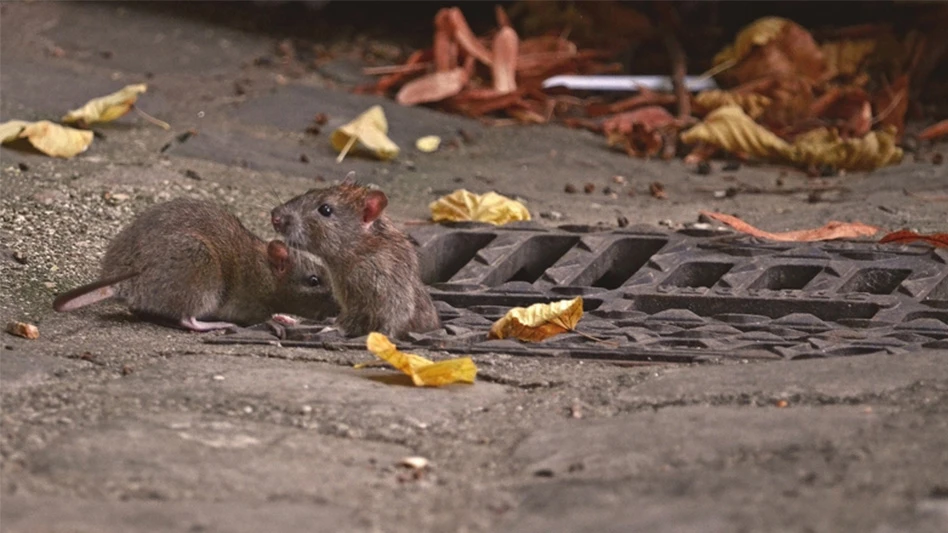
CULVER CITY, Calif. – Culver City has become the third city in California, after West Hollywood and Ojai, to ban the sale and use of glue traps. The city passed an ordinance that officials say is aimed at preventing animal suffering and reducing public health risks associated with trapped animals.
The ordinance, which went into effect Nov. 26, defines glue traps, also known as glue boards or sticky boards, as devices coated with non-drying adhesive that immobilize animals until they die. In addition to animal suffering, the city cited concerns that trapped rodents may continue to produce urine and feces, potentially spreading pathogens, and noted that non-target animals such as birds or lizards can be caught unintentionally.
Pest management professionals like Greg Bausch, vice president of Gardena, Calif.-based American City Pest & Termite, said the ban has had unintended consequences because the ordinance defines animals as "any vertebrate animal, such as birds, rodents, reptiles, and insects." Bausch and others argue that sticky traps are a foundational tool in Integrated Pest Management (IPM), are widely used for detection and monitoring rather than killing, and they help professionals determine whether and where treatments are needed.
“We’re typically only on-site for a short period of time, maybe a minute in an apartment or a few minutes in a commercial building,” he said. “Those monitors provide critical information about what’s happening and where activity is trending. Without them, inspections will take longer, and it will be harder to identify where infestations are and how severe they are.”
Bausch also is concerned that PMPs may end up relying more on pesticides, such as flushing agents, just to identify pest activity. “That means applying pesticides instead of using monitors, which I don’t think is what the city intended. But that could be the unintended consequence,” he said.
Josh Shoemaker, an urban and public health entomologist, said two pests highlight public health concerns related to this ban: German cockroaches and flies. German cockroaches are a well-documented trigger for asthma, especially in children, and are linked to increased emergency room visits. Sticky traps allow for early detection, mapping of infestations and confirmation that control efforts are working.
Shoemaker cited research showing that assessment-based cockroach management programs rely heavily on sticky traps to reduce allergen levels indoors. As mechanical vectors of foodborne pathogens, flies are closely monitored in food service, healthcare and commercial facilities. Many fly light traps use adhesive boards to capture insects without pesticides. Removing these tools, Shoemaker said, may push facilities toward greater use of aerosol sprays and residual insecticides, which is contrary to California DPR’s stated Sustainable Pest Management goals.
Megan Striegel, senior director of public policy, National Pest Management Association (NPMA), said NPMA has seen similar proposals at the state and local level. She said that what often gets overlooked is the broader scope of how adhesive traps are used in the pest control industry. “Generally, these efforts come from well-intentioned individuals who don’t fully understand how these products are actually used by professionals,” she said.
In addition to providing lawmakers in Culver City, West Hollywood and Ojai with one-page fact sheets explaining the pest control industry’s usage of sticky traps, NPMA has been working with the California Pest Management Association (CPMA) to send formal letters and continue the dialogue. “We want to remain engaged and provide context and education, even after the fact,” she said.
With animal welfare organizations advocating for similar measures elsewhere, pest management professionals throughout the country are concerned these bans could spread beyond California.
Latest from Pest Control Technology
- Earn CEUs at Next Week's Mosquito Control Virtual Conference
- Coast Releases Report on Fuel Spend
- WPCA Hosts Midwest Pest Con
- Google Ads Mistakes That Cost PCOs Thousands
- Zach DeVries Details his Cockroach Research, Importance of UK Short Course
- Sprague Strengthens California Leadership Through New Appointments
- PestInsight Empowering Youth in Africa and Beyond Through Education
- Guest Editorial: Making Safety the Standard on Every Service Call