Adobe Stock | Dinar Budiman
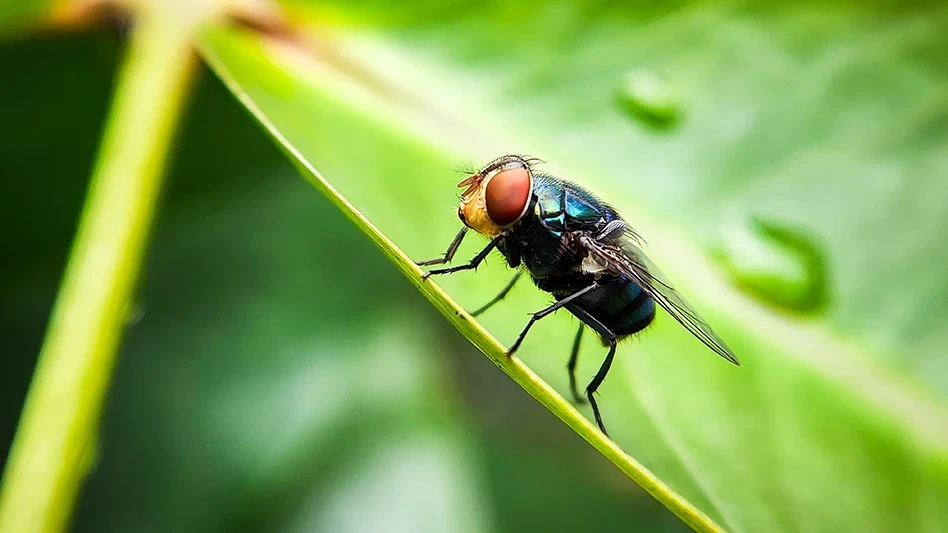
AUSTIN, Texas — The U.S. Department of Agriculture (USDA) will construct a sterile fly production facility in Edinburg, Texas, to combat the spread of the New World screwworm (NWS) from Mexico to the United States.
U.S. Secretary of Agriculture Brooke Rollins announced the agency's latest initiative to fight the pest at the Texas State Capitol alongside Texas Gov. Greg Abbott and other stakeholders Aug. 15. The announcement builds upon USDA’s plan, issued in June, to combat the northward spread of NWS from Mexico into the United States.
The new facility will be constructed at Moore Air Force Base, which USDA described as an ideal location due to existing infrastructure and proximity to the U.S.-Mexico border. Built with the Army Corps of Engineers, the facility will produce up to 300 million sterile flies per week to combat NWS, said USDA. This will be the only U.S.-based sterile fly facility and will work in tandem with facilities in Panama and Mexico to help eradicate the pest and protect American agriculture, said the agency.
What is the New World screwworm?
NWS is a devastating pest. When NWS fly larvae (maggots) burrow into the flesh of a living animal, they cause serious, often deadly damage to the animal. NWS can infest livestock, pets, wildlife, occasionally birds, and in rare cases, people. It is not only a threat to the ranching community, but a threat to the U.S. food supply and national security, said USDA.
NWS threatens over $100 billion in U.S. economic activity tied to the cattle and livestock industry, said USDA.
Eradication Approach.
As part of its eradication approach, USDA is taking the following actions:
1. Invest in Innovation. While sterile flies are currently the most effective way to prevent the spread of NWS, according to USDA, technology continues to evolve. USDA will provide up to $100 million to invest in viable innovations that could show rapid advancement of promising technologies that will augment the U.S. facility and accelerate the pace of sterile fly production if proven successful. USDA will support proven concepts that only require funding to scale and implement, as well as longer-term research projects focused on new sterile NWS production techniques, novel NWS traps and lures, NWS therapeutics that could be stockpiled and used should NWS reach the U.S. and any other tools to bolster NWS preparedness or response.
2. Wildlife Migration Prevention. USDA is working to increase hiring of agency-employed mounted patrol officers, known as “tick riders,” and other staff who will focus on border surveillance. The “tick riders,” mounted on horseback, will be complemented by other animal health experts who will patrol the border in vehicles and provide the first line of defense against an NWS outbreak along the U.S.-Mexico border, said USDA.
The agency also will begin training detector dogs to detect NWS infestations in livestock and other animals along the border and at various ports of entry. USDA is working with the U.S. Department of the Interior (DOI) and the U.S Customs and Border Protection to monitor the border for NWS-infected wildlife that could pose a threat to the U.S.
3. Stop Mexico Spread. USDA Animal and Plant Health Inspection Service (APHIS) is working in collaboration with the National Service of Agri-Food Health, Safety and Quality (SENASICA) in Mexico to help them contain the pest south of the U.S. border by enhancing U.S. oversight and surveillance, improving case reporting, locking down animal movement to prevent further spread and providing traps, lures, training and verification of Mexican NWS activities.
Implementation will inform future trade decisions impacting cattle movements on the southern border, including the potential reopening of border areas, said USDA. Rollins ordered the closure of livestock trade through southern ports of entry in July in response to the spread of NWS in Mexico, bringing the pest closer to the U.S. border.
4. Prioritize Food Safety. To date, NWS has not been reported or detected in the U.S. in animals, USDA said. The agency’s Food Safety and Inspection Service (FSIS) inspects animals and carcasses at slaughter, including for NWS, to keep the food supply safe.
“We have assessed the information on the ground in Mexico and have determined we must construct an additional sterile fly production facility in the United States to stop the northward advancement of this terrible pest that is threatening American cattle production,” said Rollins. “President Trump has made it clear that we must take all necessary steps to protect our country from foreign pests and diseases that threaten our economy and way of life.
“Today, we are announcing a major investment to further America’s existential role in protecting our country and secure our borders from this national security threat. The construction of a domestic sterile fly production facility will ensure the United States continues to lead the way in combating this devastating pest. If our ranchers are overrun by foreign pests, then we cannot feed ourselves. USDA and Customs and Border Protection are constantly monitoring our ports of entry to keep NWS away from our borders. We are working every day to ensure our American agricultural industry is safe, secure and resilient.”
Interagency Collaboration.
While the agency coordinates efforts to combat NWS, USDA said it will require continued collaboration between federal agencies, state governments and the private sector. The agency is working alongside the U.S. Food and Drug Administration (FDA) to encourage animal drug development and prioritize approvals for prevention and treatment of the pest, the U.S. Environmental Protection Agency (EPA) and the U.S. Department of Energy (DOE) on new innovations to enhance the U.S.’s ability to combat the pest with technologies and the U.S. Customs and Border Protection (CBP) to protect the U.S. border.
The U.S. government will work alongside governors, state agriculture commissioners, state veterinarians and others to combat this pest, said USDA.
Learn More.
Learn more about Texas’ response to NWS here.
Read more about the history of NWS in the U.S. — and why the pest poses a threat to livestock, wildlife and domestic animals — here.
Latest from Pest Control Technology
- Google Ads Mistakes That Cost PCOs Thousands
- Zach DeVries Details his Cockroach Research, Importance of UK Short Course
- Sprague Strengthens California Leadership Through New Appointments
- PestInsight Empowering Youth in Africa and Beyond Through Education
- Guest Editorial: Making Safety the Standard on Every Service Call
- Truly Nolen Pest Control Promotes Tuck, Stewart
- Little to No Hesitance When Asking for Customer Reviews, PCOs report
- Arrow Termite & Pest Control (La.) Acquires Ark-La-Tex Exterminators