Andrew Greess
Editor’s note: Andrew Greess, a pest control equipment expert and president of equipment website Qspray.com, shared techniques for avoiding pest control equipment problems well before issues arise.
Pest control equipment problems can ruin your day. Missed appointments, repair expenses, overtime, can all result from equipment problems. In prior articles we have discussed a variety of techniques that can contribute to reduce downtime: preventative maintenance, additional training, standardization, supervisor spot checks, etc. Using these techniques will definitely reduce equipment problems and downtime.
Conversely, this article describes a technique that if absent, guarantees problems and downtime.
Here is the key technique:
Assign responsibility for each piece of equipment to one technician and hold them accountable.
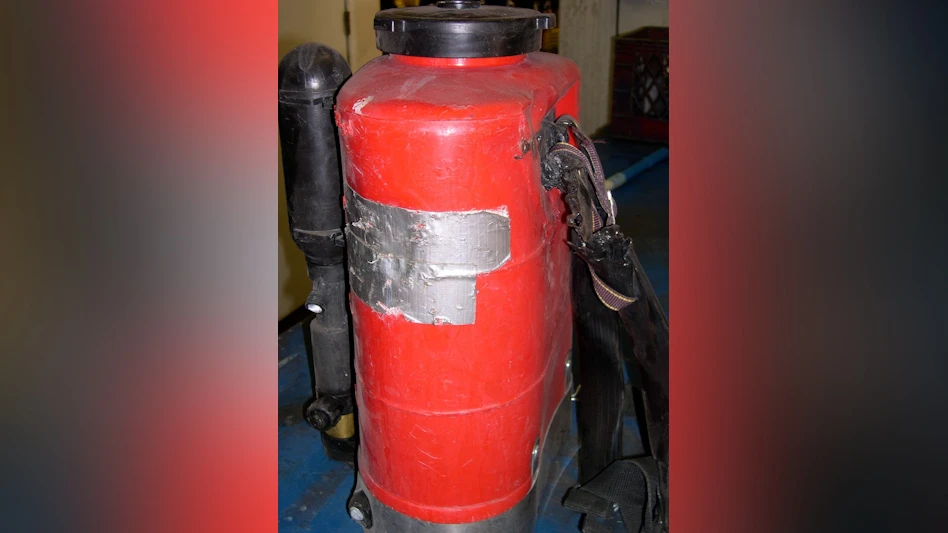
Anyone with kids will remember this. When something breaks, I ask my kids who did it. “Not me” was the most common answer. It is the same with pest control equipment. If no one is responsible for it, it won’t last.
Here are some of the common problems we see when no single person is responsible for equipment:
Equipment is not cleaned out after use
Equipment is not properly secured
Problems are unreported
Required maintenance is not performed
The causes of these problems could be intentional, e.g., the technician just doesn’t care, or unintentional, e.g., the technician forgets to report a problem. If a technician is not responsible, he or she is not likely to put in extra effort.
Here’s a great analogy: no one ever washes their rental car.
Here are some types of equipment that should be assigned to one technician:
Vehicle
Compressed air sprayers
Backpack sprayers
Power spray equipment
Foggers, foamers, dusters.
Termite rods and other termite equipment.
Assign equipment to a single individual and hold them accountable. Do periodic checks to make sure the equipment is working properly and is in good condition. Ask employees if their equipment needs service.
Andrew Greess is a pest control equipment expert and author, and president of Qspray.com, the pest control equipment website.
Latest from Pest Control Technology
- Preserving Culture, Providing Opportunities Key in Hoffman’s Decision
- Winter Weather Could Decide How Bad Mosquito Season Gets
- Trent Frazer Discusses How Mosquitoes Survive Winter
- Barnes Exterminating Acquires Tennessee Pest Solutions
- Pest Index Up 9% YOY in January
- Arrow Exterminators Acquires Hoffman's Exterminating
- PMPs Plan Mera Peak Summit for Parkinson's
- NPMA Announces 2026 Impact Awards for Women in Pest Management Recipients