With the rising temperatures brought about by global warming, the risks posed by pests such as mosquitoes, ticks and fire ants could be increasing, according to an article on Weather.com.
A warmer climate can mean expanded habitats for many pest species, as well as increases in their numbers, according to the article, which took a look at mosquitoes, deer ticks and fire ants, as well as poison ivy.
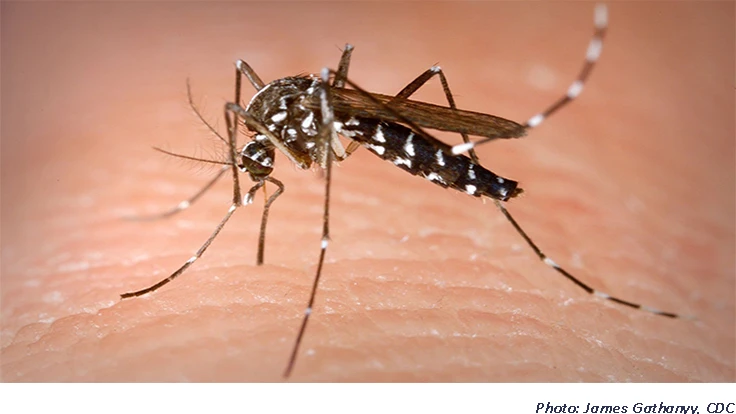
Mosquitoes. The invasive Asian Tiger mosquito , which first appeared in the U.S. in 1985, has expanded its range, and as temperatures around the country rise, the areas that are conducive to such mosquitoes could expand. The insects could start to emerge earlier in the year, meaning more opportunities for bites that could spread disease
Deer Ticks. As temperatures rise, there is concern that ticks could spread into newly suitable habitat and bring Lyme disease and other pathogens with them. They have already expanded northward into Canada, where the number of reported cases of Lyme disease doubled between 2009 and 2012, according to Canadian government figures — a trend attributed to more locally acquired cases.
Red Fire Ants. The imported red fire ant now covers more than 300 million acres, mostly in the Southeast, where it came ashore, according to the NWF. The ants, which bite and sting as a single mass, thrive in places where winter low temperatures don’t dip too low. “The colder it is, the slower the colonies grow and the more mortality occurs,” Lloyd Morrison, a National Park Service ecologist who has studied them, said in an email. “One very cold period in the winter could kill colonies outright or prevent colonies from reproducing.”
With warming, those low temperatures don’t get as cold, meaning colonies could be less inhibited. Morrison did a study in 2005 that modeled the potential expansion of the imported red fire ant with climate change and found that warming temperatures would expand suitable habitats by about 5 percent by mid-century and then by 21 percent towards the end of the century. This would mean imported red fire ants could be found as far north as Nebraska, Kentucky and Maryland.
Latest from Pest Control Technology
- Earn CEUs from Your State at Next Week’s Mosquito Control Virtual Conference
- Preserving Culture, Providing Opportunities Key in Hoffman’s Decision
- Winter Weather Could Decide How Bad Mosquito Season Gets
- Trent Frazer Discusses How Mosquitoes Survive Winter
- Barnes Exterminating Acquires Tennessee Pest Solutions
- Pest Index Up 9% YOY in January
- Arrow Exterminators Acquires Hoffman's Exterminating
- PMPs Plan Mera Peak Summit for Parkinson's