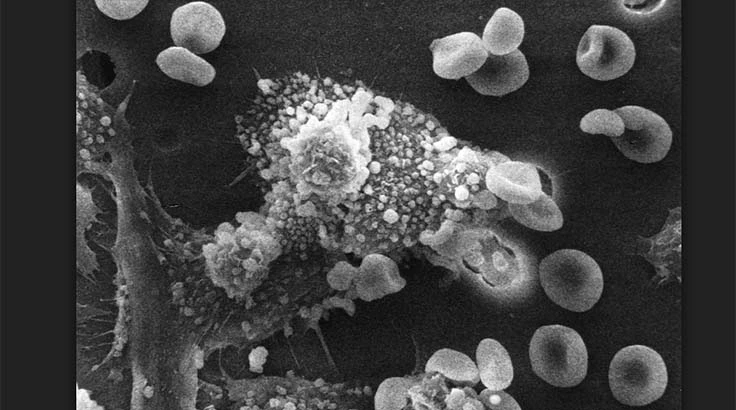
According to a study published in the Biophysical Journal this week, Polybia paulista's venom contains a toxin, named MP1, that selectively destroys tumor cells without harming normal ones. The study was conducted by researchers from Sao Paulo State University.
In lab tests, MP1 was found to inhibit the growth of prostate and bladder cancer cells as well as leukemia cells that had been shown to be resistant to a variety of other drugs.
The toxin interacts with fatty molecules known as lipids that are found on the outside of cancer cell membranes, researchers said. It then disrupts the structure of the protective membranes, creating “gaping holes” that allow molecules critical to the survival of the cancer cell to leak out.
Click here to read more.
Source: Huffington Post