iStock | dough4537
OLYMPIA, Wash. – The Washington State Department of Agriculture (WSDA) has reported the first case of West Nile virus (WNV) in a Yakima County horse this year. On Sept. 11, the Washington Animal Disease Diagnostic Laboratory (WADDL) confirmed a 1-year-old thoroughbred horse tested positive for the virus after presenting with neurologic signs.
This comes after the Washington State Department of Health (DOH) has reported positive mosquito pools in Benton, Grant and Yakima Counties, in coordination with mosquito control district and local health partners.
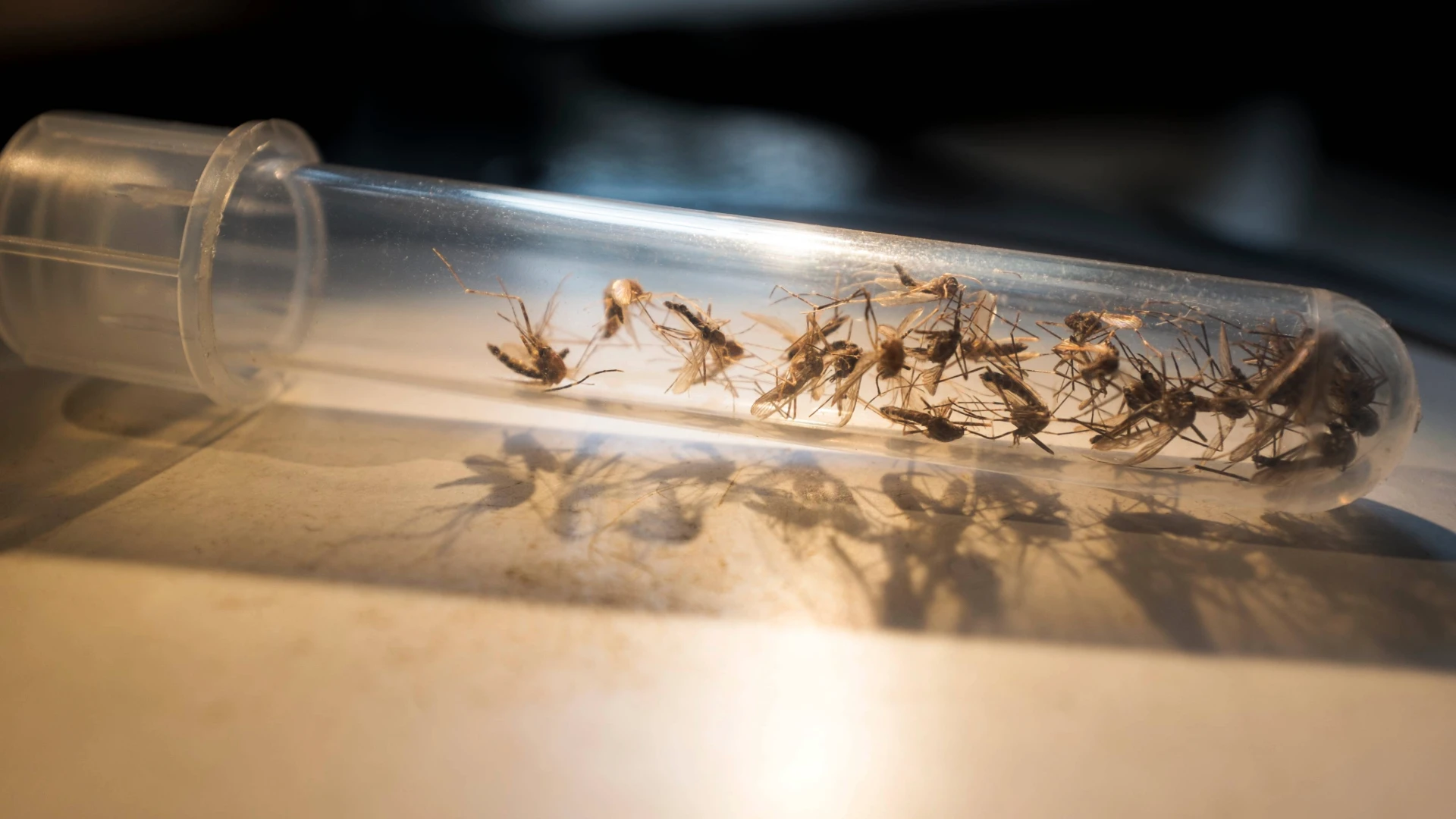
West Nile virus (WNV) is spread by mosquitoes and can affect horses, birds, and people. While this is Yakima County’s first confirmed case in an animal this year, WNV appears annually in Washington during mosquito season, mostly during the summer and early fall months when mosquito activity is highest. Horses are particularly vulnerable because they have no natural immunity and annual vaccination can improve outcomes.
“Even as temperatures begin to cool in the evenings, mosquitoes that carry WNV and other mosquito-borne diseases remain active until a hard freeze occurs. It is important for all animal owners to continue taking precautions to protect animals and themselves from mosquito exposure,” said Dr. Amber Itle, VMD, MS, State Veterinarian, Washington State Department of Agriculture.
This detection signals that West Nile virus is present in local mosquito populations. While WNV is expected each year during warmer months, this case highlights the importance of mosquito control and vaccination to protect animals and the community.
Latest from Pest Control Technology
- Earn CEUs from Your State at Next Week’s Mosquito Control Virtual Conference
- Jody Green Talks Ticks at Purdue Conference
- Truly Nolen Pest Control Promotes Freize, Hackett
- Preserving Culture, Providing Opportunities Key in Hoffman’s Decision
- Winter Weather Could Decide How Bad Mosquito Season Gets
- Trent Frazer Discusses How Mosquitoes Survive Winter
- Barnes Exterminating Acquires Tennessee Pest Solutions
- Pest Index Up 9% YOY in January