iStock | Valeriy Volkonskiy
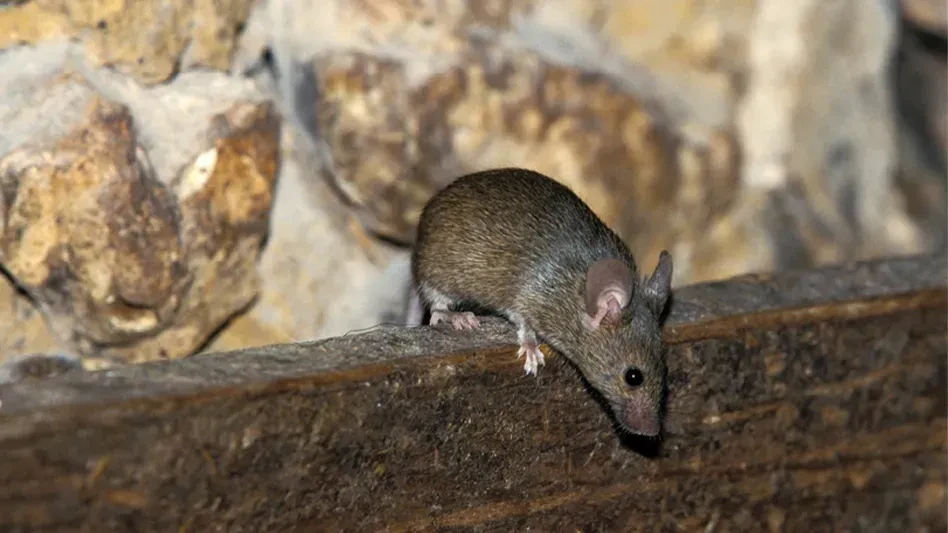
Serious mouse problems in an apartment property need to be addressed by a separate comprehensive plan. Treating mouse problems as you find them on your cockroach service rotation won't cut it once mice are out of control. One good approach for garden apartments is to treat blocks of contiguous buildings, not apartment units, or even an entire entry address.
That means that if building 3712 has had mouse complaints but 3712 is physically attached to 3714, then 3714 must be treated for mice as well...at the same time. This strategy minimizes the risk that mice in an untreated connecting building will move back through the voids and conduits to repopulate the treated building.
Eliminate Mice One Building Block At a Time
Pest control service and pest-proofing are performed on all of the units in a block of garden apartment buildings at the same time. Intensive service continues in this block of buildings week by week until there is no mouse activity.
And here's the key to this type of service. You completely clear mice from a block of buildings before you begin service in the next block of buildings. Whether you start with service in one, or two, or three blocks of buildings will depend on the number of blocks requiring service and on the number of staff and resources available (both for the apartment property and the pest control company).
Maybe just one block consisting of 3 entrances and 34 units is all you can both handle to start with. Limiting the intensive mouse elimination program to a few blocks of buildings at a time allows both the pest control contractor and the property staff to concentrate their efforts on a smaller scale and to better effect.
This methodical approach is particularly valuable for getting resident cooperation and for making structural repairs and mouse-proofing walls as you move through the property. It also provides a very visible measure of success for residents. This block-by-block mouse elimination program should be separate from regular "rotary" service at the property, and should be done on a separate date with a separate billing.
Using complaints and treatment records for the past year, map out where mouse problems are occurring. The decision on how many blocks to include in the comprehensive program depends on the number of blocks experiencing significant problems. There may be only a couple of blocks requiring treatment, or the program may eventually include all of the blocks on the property.
Start with the block or blocks that have had the most mouse complaints. To be effective, this comprehensive mouse elimination program requires certain actions by the pest control contractor, property staff, and residents.
Setting Up the Comprehensive Mouse Elimination Program
1. Residents of the block should be informed about the program a week or two before it begins. They should know what will be done and what their responsibilities are. Encourage residents to report mouse sightings. Explain that they may experience odors from dead mice but that the odors will eventually disappear.
2. Insist on resident cooperation. All units must be entered and serviced as scheduled, with no skips. A member of the property staff must be present at least for the initial service of each apartment unit to help enforce cooperation and preparation.
3. Before the initial visit, residents need to prepare by: (a) emptying lower level kitchen cabinets, (b) emptying undersink cabinet in bathroom, and (c) clearing the floor of very closet in the unit. (NOTE: If this is not done by the resident, it must be done by staff at the time of the service so the unit is not skipped.)
4. Before service begins in a block of buildings, property staff needs to: (a) repair and seal all mouse entry points on the outside perimeter of the buildings, and (b) make sure that there are working keys for each unit.
5. As the contractor, you need to keep detailed and accurate records for each unit of infestation levels, sanitation problems, structural issues, resident cooperation, and any repairs or other special actions needed.
6. The apartment property must review your service records/repair notices within 24 hours of the date of service and act ASAP to correct problems identified, such as: (a) upgrading housekeeping and trash handling in problem residences, (b) repairing mouse holes and other openings permitting mice to move from room to room, and unit to unit, and (c) adding or replacing door sweeps on exterior doors as necessary.
7. Scheduling must include reinspection, and reservicing as necessary, in every unit in the building block, every 1-2 weeks, until there is no further evidence of mouse activity in the entire block of buildings.
The authors are well-known industry consultants and owners of Pinto & Associates.
Latest from Pest Control Technology
- Earn CEUs from Your State at Next Week’s Mosquito Control Virtual Conference
- Preserving Culture, Providing Opportunities Key in Hoffman’s Decision
- Winter Weather Could Decide How Bad Mosquito Season Gets
- Trent Frazer Discusses How Mosquitoes Survive Winter
- Barnes Exterminating Acquires Tennessee Pest Solutions
- Pest Index Up 9% YOY in January
- Arrow Exterminators Acquires Hoffman's Exterminating
- PMPs Plan Mera Peak Summit for Parkinson's