Credit: @istock | rawintanpin
Editor’s note: April 22 is Earth Day and in reflection of this day, Robbie Hobbs, chief product officer of WorkWave, shares five ways that pest control companies can reduce waste in the field and in the office. To learn how PestPac can help your business stay agile and take advantage of eco-friendly opportunities, visit pestpac.com.
As a pest control operator (PCO), your role is to help customers alter and control their environment to minimize the impact of pests and the problems they create. But what about the unintentional ways your business affects the environment?
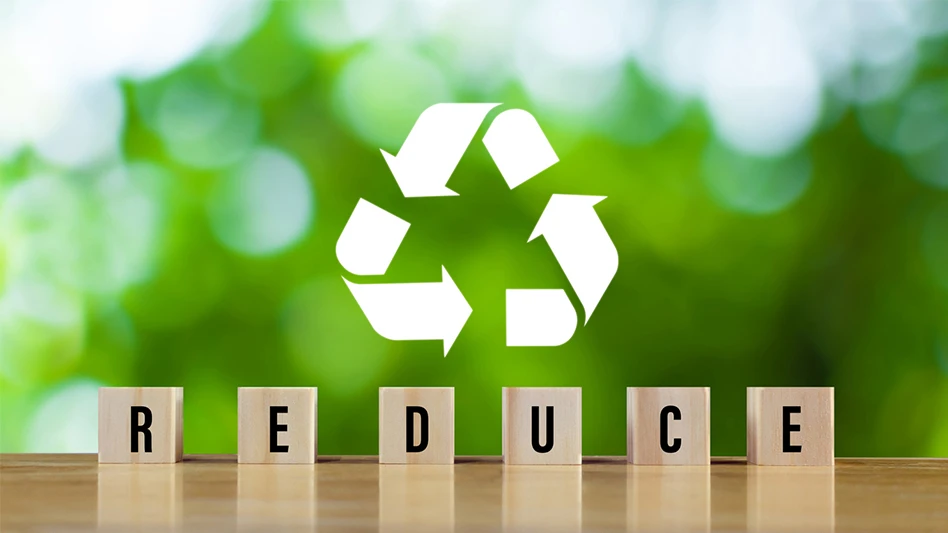
Cutting back on waste isn’t just good for the environment; it’s good for overhead, which is always good for business. So, where can you reduce waste without compromising on service quality?
Track Your Chemicals
While many customers and businesses prefer gentler options when possible, pesticides are an integral element of pest control thanks to their proven results. Tracking chemical application, including how much is used and where, is crucial to using these products effectively. With accurate training, you ensure that chemicals only impact the intended area, minimizing runoff and overuse.
Over time, tracking enables better training of technicians, enabling your team to use chemicals as effectively as possible. Tracking also helps to ensure efficiency and avoid overspend on materials, creating a tangible benefit for your business.
Focus on Customer Density
Working to create a strong presence in a particular area is a natural step for many PCOs. After all, it’s easy to drop off promotional materials or get leads from yard signs when you’re already in the neighborhood. But having densely concentrated customers is also good for the environment — and your business.
The less time techs spend driving, the more time they spend servicing customers effectively. When a tech or crew is able to service a day’s worth of customers while staying in a smaller area, it virtually eliminates drive time — and fuel use — from their day.
Make the Most of Every Route
Whether customers are clustered nearby or not, it’s important to minimize fuel consumption by using tools to ensure the time you spend on the road is as efficient as possible. Through route optimization, you can save significantly on drive time and fuel use while still ensuring services are assigned to appropriately trained and equipped technicians.
Take Advantage of IPM
Eco-friendly by its nature, Integrated Pest Management (IPM) is an increasingly popular approach to pest control that stresses prevention and monitoring along with targeted treatment to control pests. A major benefit of IPM is significantly reducing harm to non-target species and the surrounding ecosystem.
Using software that supports IPM can help companies track pest activity, record environmental conditions and implement data-driven treatment plans, enabling quality results while reducing reliance on chemicals. IPM encourages technicians to consider alternative methods first — like sealing entry points, removing food sources or applying green-certified products — before resorting to chemicals, as well as applying pesticides responsibly when they are used.
Part Ways With Paper
Going paperless can have a huge impact on waste for those still doing business on pen and paper — and that’s to say nothing of the efficiency gains. Significantly reducing your company’s reliance on printouts is one of the most effective ways to reduce waste. For PCOs, that means digitizing forms, invoices, service agreements and customer communications, which has the added benefit of accelerating sales in the field.
Modern mobile apps and cloud-based data make it easy for your office staff and technicians to access vastly more data without printing a single sheet. Better yet, you stand to deliver a more seamless experience for your customers when they can self-service to book appointments, access their service history, receive updates and make payments via portal. It’s the best choice for your team — and the environment.
However you approach minimizing waste for your pest control business, embracing future-focused strategies and sustainable practices can help you save on materials while creating a better environment for your customers, their neighbors and beyond.
Latest from Pest Control Technology
- Google Ads Mistakes That Cost PCOs Thousands
- Zach DeVries Details his Cockroach Research, Importance of UK Short Course
- Sprague Strengthens California Leadership Through New Appointments
- PestInsight Empowering Youth in Africa and Beyond Through Education
- Guest Editorial: Making Safety the Standard on Every Service Call
- Truly Nolen Pest Control Promotes Tuck, Stewart
- Little to No Hesitance When Asking for Customer Reviews, PCOs report
- Arrow Termite & Pest Control (La.) Acquires Ark-La-Tex Exterminators