How Many Are Infected in the U.S.?
Last week, Florida Governor Rick Scott called for an emergency response team from the U.S. Centers for Disease Control to help with the discovered four cases of locally acquired Zika in Miami. The number of cases has jumped from four to 15 within the past week.
According to the Florida Department of Health, 2,300 people have been tested for the Zika virus statewide and 372 have been confirmed to have the virus. These cases are not confirmed from local vector-borne mosquitoes, however.
According to the CDC, 1,658 people in the continental U.S. and Hawaii have been diagnosed with Zika. Nearly 20 percent of those cases have been in Florida.
Read the full story here.
Source CNN
Pregnant Women in Florida
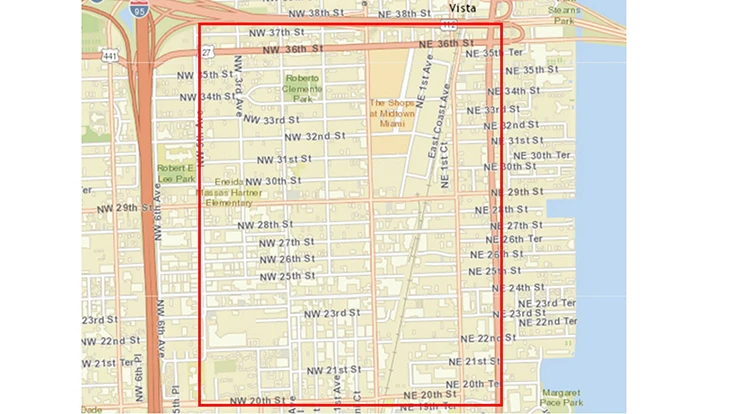
Due to the findings in Florida, the CDC warned pregnant women to avoid the places with Zika outbreaks. The Center and Florida Department of Health named Wynwood, a neighborhood in Miami, the main area to stay clear of if you are pregnant or planning on getting pregnant. Those who have traveled/lived in the area since June 15 (based on the earliest time symptoms can start and the maximum 2-week incubation period for Zika virus) should take note of this alert.
This is the first time the CDC has advised people not to travel in an American neighborhood.
For more advice for those who are pregnant in Southern Florida or for more information on the Zika virus in Florida, read full story here.
Source CDC
From the Pentagon
In U.S. military news, the Pentagon reported Wednesday that 33 members in the U.S., including a pregnant woman are believed to have contracted the Zika virus overseas. Pentagon officials say there is no way to know for sure what country they were in when they acquired the virus.
Read the full story here.
Source Reuters
What is Rio Doing? A PMP’s Perspective
The Olympic Committee and PMPs from Brazil alike are not concerned with the upcoming Summer Olympics in host city Rio de Janeiro. Claudio Salem, technical director for Rentokil in Brazil, said mosquito-borne diseases are a problem for Brazil, but the problem is manageable.
“With Aedes, this particular year had nothing different from the previous ones, except for the Zika virus event,” Salem said. “To keep small areas like the stadiums without Aedes for three months in the winter should not be a problem or a concern.”
Read PCT’s full story on the state of the summer games here.
Source PCT
Latest from Pest Control Technology
- Earn CEUs from Your State at Next Week’s Mosquito Control Virtual Conference
- Preserving Culture, Providing Opportunities Key in Hoffman’s Decision
- Winter Weather Could Decide How Bad Mosquito Season Gets
- Trent Frazer Discusses How Mosquitoes Survive Winter
- Barnes Exterminating Acquires Tennessee Pest Solutions
- Pest Index Up 9% YOY in January
- Arrow Exterminators Acquires Hoffman's Exterminating
- PMPs Plan Mera Peak Summit for Parkinson's